
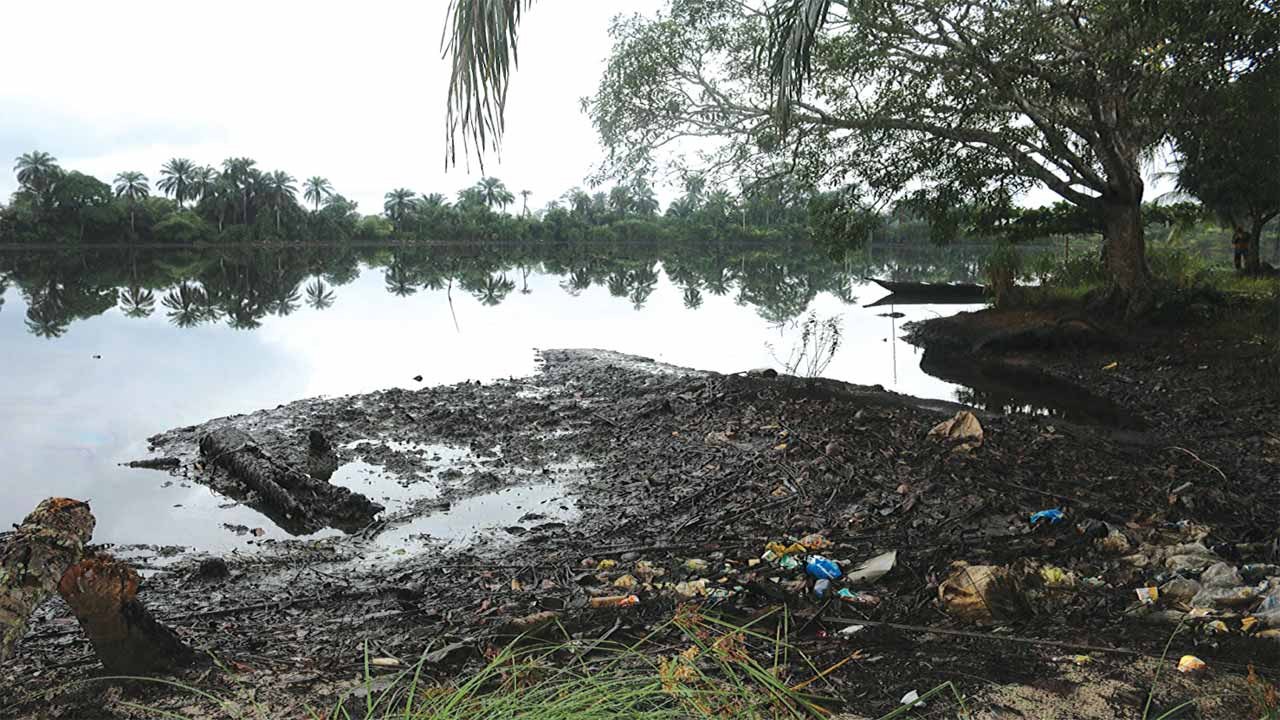
Federal Government Commits to Environmental Justice in Ogoniland
The Federal Government has taken a significant step forward by commissioning four new water projects in Ogoniland, reinforcing its dedication to environmental justice, public health, and the full implementation of the UNEP report. This initiative is part of the Renewed Hope Agenda under President Bola Ahmed Tinubu's leadership.
These newly commissioned facilities, located in Bodo (Gokana), Eteo (Eleme), Uegwere-Boue, and Taabaa (Khana), have increased the number of Ogoni communities with access to reticulated potable water to 40. According to HYPREP, this marks a major milestone in addressing long-standing environmental challenges in the region.
In addition to these water projects, the government also established a new HYPREP Area Office in Gokana. This office aims to enhance engagement with host communities and ensure better communication and support for local populations.
A Step Toward Restoring Dignity
During the commissioning ceremony in Bodo community, Minister of Environment, Balarabe Abbas, emphasized the importance of these developments. He described the projects as a major step in the government’s efforts to restore the dignity of the Ogoni people after decades of environmental degradation caused by oil pollution.
Abbas highlighted that water is the most affected resource during pollution incidents. “The whole essence of HYPREP is to restore water, land, and a better environment. Access to clean and safe water is not just a basic necessity, it is a fundamental human right,” he stated.
He further described the projects as more than just infrastructure; they are symbols of hope, equity, and justice for communities that have endured the impacts of oil-related pollution. The minister urged residents to take ownership of the facilities and protect them from vandalism.
“Today, as we commission these projects, we are not only laying a physical foundation but also upholding human rights. These commitments underscore our shared dedication to the health, dignity, and well-being of our people,” Abbas added.
Commitment to UNEP and Sustainable Development
Abbas reaffirmed the administration’s commitment to the full delivery of the UNEP report and sustainable development of the Niger Delta. He expressed that the Ogonis have suffered for too long and that it is the government’s duty to address their concerns.
The projects were executed under the Hydrocarbon Pollution Remediation Project (HYPREP), which was established to implement the recommendations of the United Nations Environment Programme (UNEP) following an environmental assessment of Ogoniland.
Progress Across Multiple Fronts
Project Coordinator of HYPREP, Prof. Nenibarini Zabby, reported progress across several UNEP-aligned thematic areas. These include soil remediation, mangrove restoration, health infrastructure, and youth empowerment.
Zabby noted that 50 simple-risk sites have been remediated, while work on medium-risk, complex sites is 38% complete. Additionally, the mangrove restoration project is already 93% complete.
Over 5,000 Ogoni youths and women have been trained in 20 skill sets, and 7,000 direct jobs have been created through the program, significantly boosting local livelihoods and stability.
“Work on the Centre of Excellence for Environmental Restoration and Ogoni Power Project is 90% and 40% complete respectively, while the Buan Cottage Hospital and Ogoni Specialist Hospital are nearing completion at 98% and 86%,” he said.
With the Ogoni Health Study now underway, HYPREP has reached a stage where key UNEP actions—remediation, water, health, and livelihood—are being implemented simultaneously to transform Ogoni holistically.
Collaboration for Long-Term Impact
Engr. Tony Attah, Managing Director of Renaissance Africa Energy Company, represented by General Manager of Relations and Sustainable Development, Igo Weli, praised the federal government and HYPREP for achieving a key milestone.
“This marks a significant moment in our journey to improve public health and the quality of life of Ogoni people. We also commend the resilience and commitment of the communities. Your support reflects a shared desire for progress,” Weli said.
Attah stressed the importance of continued collaboration across federal, state, and local levels to ensure sustainability and long-term impact.