
Addressing the Legal Challenges of AI-Generated Deepfakes in Hong Kong
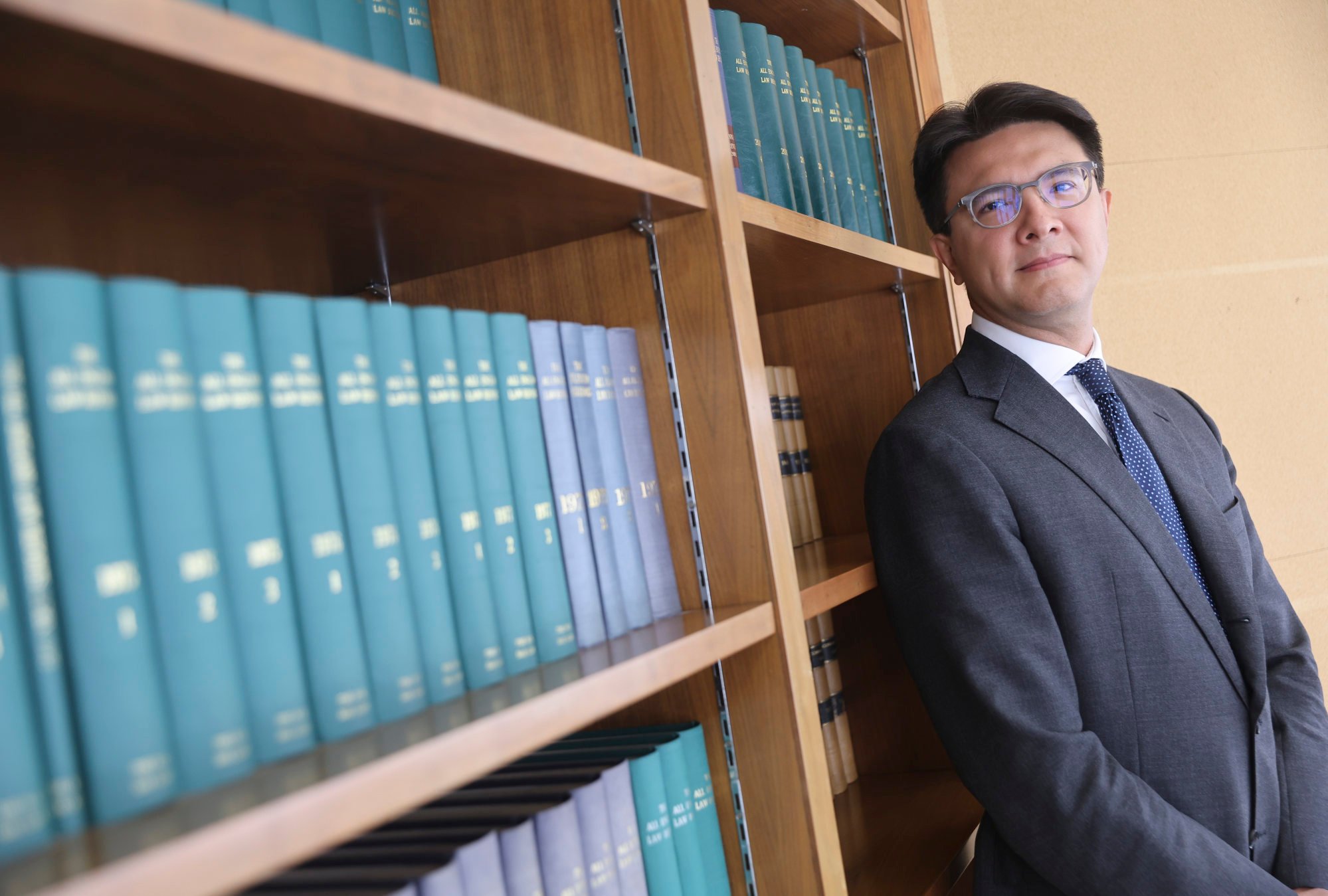
The emergence of artificial intelligence (AI) has brought with it a host of new challenges, particularly in the realm of deepfake technology. This has led to calls for targeted legal measures to address the growing issue of non-consensual creation and distribution of AI-generated images, especially those involving pornography. According to Senior Counsel Jose-Antonio Maurellet, chairman of the Hong Kong Bar Association, existing laws are not adequately equipped to handle these specific issues.
Maurellet emphasized the need for a "targeted law" that would specifically address the problem of AI-generated deepfake pornography. He argued that relying on current legal tools designed for other purposes could lead to complications and ineffective outcomes. The legal gaps in regulating such activities became apparent when a University of Hong Kong (HKU) law student was found using AI to generate pornographic images of his classmates and other women. Instead of facing serious consequences, the student received only a warning from the institution.
While Maurellet did not comment directly on the case, he pointed out that there is currently no specific legislation aimed at penalizing the non-consensual creation of AI-generated images. He warned against using existing legal frameworks designed for different offenses, as this could result in technical arguments that may undermine the effectiveness of any action taken.
For instance, Hong Kong's data privacy laws focus on individuals who disseminate information about others to a large audience with the intent to harm. However, these laws do not cover cases where AI images are shared within small groups or where the intent to cause harm is not present. Maurellet suggested that a more tailored approach is necessary to ensure that the law can effectively protect individuals' rights without unnecessary legal battles.
He also highlighted that other jurisdictions, such as Singapore, have already adopted similar targeted approaches to tackle the issue of AI-generated content. Maurellet believes that creating a new law in Hong Kong could be done relatively quickly if there is political will. He proposed setting up a subcommittee under the Law Reform Commission to bring together expertise from academia and the industry, which could help streamline the process.
Maurellet dismissed concerns that a targeted law might hinder the development of AI technology. He argued that preventing the creation of harmful AI-generated content does not necessarily impede the growth of the AI industry. Instead, it ensures that the technology is used responsibly and ethically.
In addition to addressing deepfake pornography, Maurellet also touched on the issue of LGBTQ rights in Hong Kong. He called on relevant parties to find a solution to fulfill a court order requiring the government to draft laws outlining "core rights" for same-sex couples. The government's Registration of Same-sex Partnerships Bill was introduced in response to a 2023 Court of Final Appeal ruling, which gave authorities two years to meet a constitutional requirement.
Under the proposed bill, same-sex couples who have valid marriages, partnerships, or civil unions registered in jurisdictions outside Hong Kong could have their relationships recognized. The bill would also grant certain rights to same-sex couples in medical and after-death arrangements. However, LGBTQ activists have criticized the proposal as being "very conservative and vague," while major political parties in the "patriots-only" legislature have vowed to oppose it, citing traditional family values.
Maurellet acknowledged that the sufficiency of the current proposal to meet the court's order is a matter for others to decide. He emphasized that if the bill is not passed, the government will face an issue as it must comply with the court order. He urged all stakeholders to respect the court's decision, highlighting the importance of upholding the rule of law in society.
As AI technology continues to evolve, it is crucial for lawmakers to keep pace with the changes and implement appropriate legal frameworks. By addressing the unique challenges posed by AI-generated content, Hong Kong can ensure that its legal system remains effective and responsive to the needs of its citizens.