
The Practice of Pumping Meat with Air in Nigeria
In Nigeria, meat, particularly beef, holds a significant place in the cultural, social, and culinary landscape. Whether in homes or during public ceremonies, many Nigerians consider a meal without meat incomplete. However, a recent viral video has sparked widespread concern and debate about the integrity of meat sold in local markets.
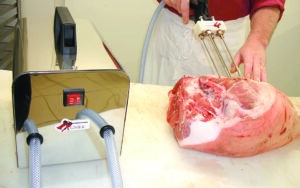
The video, which was viewed by over 36,000 users on social media platforms, showed a meat seller inserting what appeared to be a narrow tube into raw beef placed on a large table. In the 29-second clip, the seller could be seen pumping air and a solution into the meat, turning it over as he worked. This practice has raised serious questions about consumer trust and public health.
Many social media users reacted to the video, expressing outrage over what they perceive as deceptive practices by butchers. According to these users, sellers inflate meat with air to make it appear heavier, allowing them to charge more for less actual meat. One user, Flacko (@Flacko_VVS), wrote, “They pump the meat and use a faulty weight calculator, just because they want to be a billionaire.” Another user, Oke Ayodele, commented, “This is not about the economy; this is a pure art of wickedness and dishonesty.”
A Facebook user named Chintuo Blessing shared similar concerns, stating that many meat sellers pump the tongue, legs, and head of animals. When boiled, the meat reduces in size, leading to disappointment among consumers. Elsie Williams sarcastically remarked, “He will give you meat, and you would think you had a good bargain, only to boil it, and you are wondering what happened inside the pot.”
Butchers and Veterinarians Offer Different Perspectives
While some butchers defend the practice, others acknowledge its prevalence. A Lagos-based meat seller, Salami, claimed that injecting air into meat is common knowledge among those who slaughter cattle for festivities. He explained that the process helps separate the meat from the hide and is not intended to deceive customers.
Similarly, an Ibadan-based meat seller, Ishola Azeez, argued that many social media users misunderstood the purpose of the video. He clarified that the air is injected to remove the skin (called ponmo) more easily, making it simpler to cut out the meat. Once the skin is removed, there is no need to continue pumping air into the meat.
However, a veterinary officer and meat inspector, Dr. Ayo Adelaja, described the practice as a long-standing tactic used by meat sellers to cheat customers. He noted that while inflating certain parts like the head and legs is common, doing so with other parts of the meat is considered fraudulent. Dr. Adelaja also highlighted that freshly slaughtered animals are sometimes inflated to remove fur, especially when the owner does not want to burn it off.
Concerns About Food Safety
Checks by Saturday PUNCH revealed that brine (a mixture of water and concentrated salt solution) and air are often injected into meat to increase its weight. This process, known as “plumping” or “enhanced” meat, involves introducing a liquid solution into the meat to improve its texture and flavor.
According to VerFoodSolutions, uncooked meat and poultry products are frequently sold by weight, and injecting brine can enhance their appearance and cooking results. However, concerns about food safety have been raised by experts.
Dr. Paul Anejodo, a senior medical officer, emphasized that while gases are used in food preservation, they can also introduce contaminants. He warned that improper sanitation and hygiene in markets can lead to contamination through contaminated water, hands, or unsanitary equipment. He called for better structures in markets to ensure hygiene and reduce contamination risks.
The Risks of Food Fraud
Inemesit Ukpong, a Lagos-based food safety expert, described the practice of pumping meat with air as “food fraud.” He explained that buyers are often misled by the water injected into the meat, which replaces the portion they paid for. Ukpong raised concerns about the source of the water used in brine solutions, questioning whether it is potable and free from harmful bacteria.
He also highlighted the potential health risks associated with excessive salt consumption. While salt is used as a preservative, there is no way to confirm the exact quantity used in brine solutions. Ukpong stressed the importance of labeling meat products to inform consumers about the additives used, ensuring transparency and safety.
Calls for Regulation and Awareness
When contacted, an official from the Federal Competition and Consumer Protection Commission requested that Saturday PUNCH send an email with the viral video attached. The official stated that the commission would verify the video and issue a statement on Monday.
Despite the lack of immediate regulatory action, experts agree that awareness and education are crucial in addressing the issue of meat adulteration. They urge meat sellers and butchers to prioritize public health and adopt hygienic practices to protect consumers.