
Key Discussions on Trade and Economic Growth
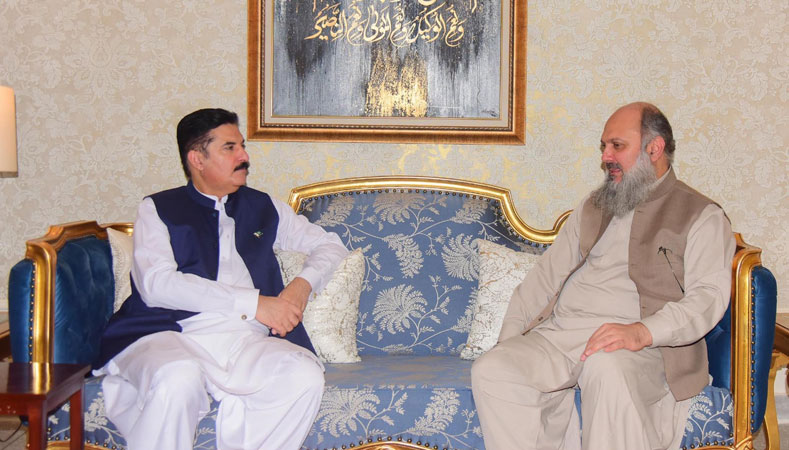
Governor of Khyber Pakhtunkhwa, Faisal Karim Kundi, recently visited the residence of Federal Minister for Commerce, Jam Kamal Khan, to pay a courtesy call. The meeting focused on several key areas, including trade, investment, and economic opportunities in the province. Both leaders emphasized the importance of enhancing these sectors to drive growth and development.
The discussion highlighted the role of various organizations such as the Trade Development Authority of Pakistan (TDAP), Pakistan Horticulture Development & Export Company (PHDEC), the gems and jewellery sector, and the tobacco industry in boosting exports. These sectors were identified as critical in expanding the province's contribution to national exports.
During the meeting, the minister directed TDAP officials to visit the Governor and share their strategies and ongoing efforts related to the Expo Center being built in Peshawar. This initiative is expected to further enhance trade and investment opportunities in the region.
The positive trade figures for the country were also discussed. Pakistan recorded $2.7 billion in exports during the first month of the new financial year, which represents a 17% increase compared to July 2024 and a 9% rise from the previous month. This data underscores the progress made in the trade sector and the potential for further growth.
Governor Faisal Karim Kundi commended the Commerce Ministry's initiatives and pledged full cooperation in advancing economic activities within the province. Meanwhile, Federal Minister Jam Kamal Khan reaffirmed the government's commitment to inclusive economic growth, ensuring that all provinces, including Khyber Pakhtunkhwa, benefit from trade and commerce.
Addressing Challenges in the Timber Industry
In another significant meeting, Federal Minister for Commerce, Jam Kamal Khan, addressed concerns raised by the All Pakistan Timber Traders Association (APTTA). The association, led by Chairman Muhammad Sharjil Goplani, presented several pressing issues, including banking hurdles, permit delays, shipment complications, documentation bottlenecks, and challenges related to the Department of Plant Protection (DPP).
Chairman Goplani informed the minister that Pakistan heavily relies on timber imports to meet domestic demand. The United States is the largest supplier, followed by Germany, Sweden, Finland, the Philippines, and Canada. He noted that only 1.9% of Pakistan’s land is forested, which is far below the national consumption needs.
Minister Jam Kamal Khan assured the delegation that the government is committed to addressing these challenges. He instructed relevant departments to take swift action to resolve permit and documentation issues. Additionally, he emphasized the need to enhance local forest cover, urging the association to consider forest development as part of their long-term strategy.
The minister also directed concerned departments to conduct surveys in Balochistan, particularly in flood-prone and non-arable lands, to assess their suitability for forest plantations. He suggested planting fast-growing tree varieties like Cano, Safeda, and Subabul (Subrus) in these areas.
The APTTA also informed the minister that timber is considered an essential item and currently enjoys exemption from customs duties, which supports the construction and furniture industries. The minister acknowledged the sector's importance and reiterated the government's commitment to resolving genuine concerns while promoting environmental sustainability.
Strategic Initiatives for Sustainable Growth
The discussions underscored the importance of strategic initiatives to ensure sustainable growth in both the trade and timber sectors. By focusing on enhancing local resources and addressing existing challenges, the government aims to create a more robust and resilient economy.
Efforts are being made to improve infrastructure, streamline processes, and provide support to key industries. These steps are crucial in fostering a business-friendly environment that encourages investment and innovation.
As the government continues to work closely with various stakeholders, it remains focused on achieving balanced and inclusive economic growth. Through collaboration and proactive measures, the goal is to ensure that all provinces benefit from the nation's economic progress.