
Rise in Package Drop-Offs and Associated Risks
In June, a woman in her 70s contacted the consumer affairs center in western Japan's Kinki region with a complaint: "I haven't received the package that should have arrived from my child." The package was a gift from the woman’s daughter, sent using a drop-off delivery instruction. When she inquired with the delivery company, they informed her that the package had already been delivered and provided a photo of it placed in front of her door.
This situation highlights an increasing trend in Japan where package drops are becoming more common due to labor shortages in the logistics industry. However, this method has also led to a rise in theft incidents, prompting concerns among consumers and businesses alike.
Logistics Strain and the Growth of Contactless Deliveries
The widespread adoption of drop-off deliveries is largely driven by the severe shortage of workers in the logistics sector. Legal revisions have limited drivers’ overtime work, exacerbating the issue as the number of available drivers remains low. As of April 2025, the redelivery rate stood at 8.4%, indicating the challenges faced by delivery companies.
To address these issues, the Ministry of Land, Infrastructure, Transport and Tourism began reviewing parcel delivery terms and conditions in late June, aiming to make package drops more accessible for businesses as a solution to ease the logistics strain.
For recipients, package drops offer the benefit of avoiding face-to-face interactions during collection and eliminating the need to reschedule redelivery if they are away when the parcel arrives. These services have generally been well-received, but there are significant risks involved, particularly theft.
Interception of Delivery Notices and Theft of Delivery Boxes
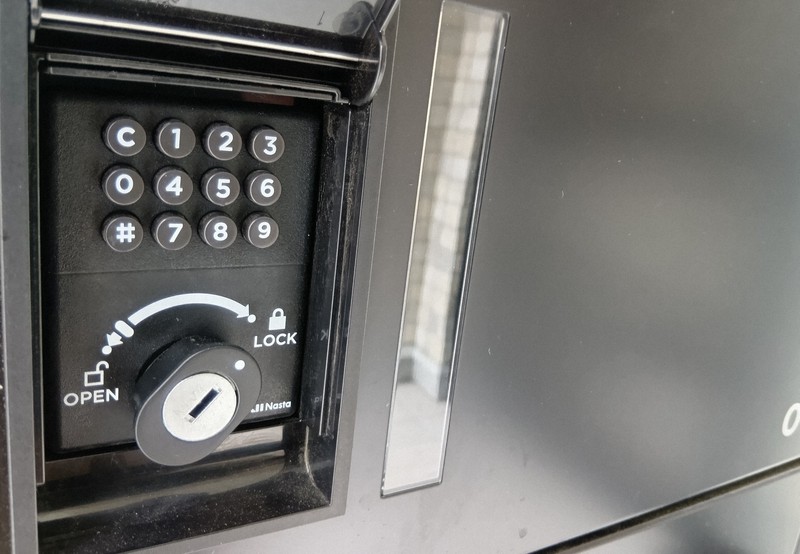
One of the most common methods of theft involves intercepting delivery notices left in the recipient’s mailbox. If the delivery box requires a numerical code, the passcode is often written on the notice. This makes it vulnerable to theft, as individuals can steal or glimpse the code and gain access to the package.
In some cases, people have used unconventional methods like pest control adhesive to retrieve delivery notices from mailboxes. There have also been instances where unsecured parcel lockers, commonly found in detached houses, have been stolen entirely.
Effective Countermeasures Against Theft
Experts recommend switching to a system that sends the passcode directly to a recipient’s smartphone rather than writing it on the delivery notice. Daiki Shimamura, head of public relations at major security company ALSOK Co., emphasizes the importance of taking effective measures while highlighting their significance.
He also suggests using security cameras, which are now available in battery-powered versions that are easy to place outside homes. Posting a “security camera in use” sticker can also serve as a deterrent. Another option is to designate a convenience store or other location as the delivery point, ensuring packages can be collected without worrying about timing.
Compensation for Stolen Packages
If a package left outside is stolen, do people have no recourse? Major delivery companies such as Yamato Transport Co. and Sagawa Express Co. typically exclude compensation for theft or loss after delivery is completed. However, both firms stated that they consider each case individually and respond accordingly.
Japan Post Co., in collaboration with Tokio Marine & Nichido Fire Insurance Co. and others, has introduced insurance to compensate individuals for the theft of placed packages. This insurance covers packages designated for unattended delivery shipped by e-commerce and other businesses that have made agreements with Japan Post in advance, with compensation up to 10,000 yen (roughly $68). Other insurance companies are also beginning to introduce similar compensation plans.
As the use of package drops continues to grow, it is essential for consumers to remain vigilant and take proactive steps to protect their deliveries. While the convenience of contactless delivery is undeniable, the risks associated with it require careful consideration and appropriate safeguards.