
The Future of Gaming: A Shift in Strategy
There has been a lot of talk recently about the future of gaming hardware, especially regarding Sony's potential exit from the business. Rumors have circulated that Sony is moving away from a hardware-centric model and focusing more on platforms that expand community engagement. This statement, reportedly made by a Sony executive, has sparked considerable debate among gamers and industry observers alike.
While many reputable sources like GameCentral did not report the rumor due to its questionable translation and context, the idea itself raises important questions about the direction of the gaming industry. It seems that the executive was possibly hinting at a shift towards more movie-like experiences and theme park-style ventures, similar to what Nintendo has been doing. However, the actual meaning behind the statement remains unclear, which could be intentional given the audience was investors rather than gamers.
Despite the uncertainty, there are indications that the PlayStation 6 is still on track for release. However, the notion of creating new consoles may not be the best strategy moving forward. The author of this piece expresses a strong preference for Sony over Microsoft, citing concerns about Xbox's influence on the gaming industry. With the acquisition of Activision and Bethesda, Microsoft has significantly expanded its reach, raising fears that they might abandon their gaming ventures if they become too costly or unprofitable.
Microsoft's recent struggles with the Xbox Series X have led some to believe that they may eventually give up on console production. Although they claim otherwise, it’s evident that consoles are no longer a top priority for them. Instead, they are shifting focus towards becoming a third-party publisher, aiming to reduce reliance on their own hardware. This doesn't mean they are no longer a threat to Sony, but it does suggest a different approach to competition.
Phil Spencer and other Microsoft executives seem desperate for a win, trying to frame their failures as part of a larger strategic game. However, it's clear that their plans have repeatedly fallen short. In addition to this, Microsoft is attempting to downplay the importance of consoles while simultaneously undermining exclusives, which are key strengths for Sony. This tactic appears to be working, as more Sony games are now available on PC and across multiple platforms.
Helldivers 2, a successful live service title from Sony, is set to launch on Xbox this month. This move is driven by the potential for increased revenue through microtransactions rather than encouraging purchases of a PlayStation 5. The logical conclusion is that Sony may eventually adopt a third-party model, which the author finds concerning but inevitable.
The author worries that Sony might take too long to make this transition, allowing Microsoft to gain a dominant position in the gaming industry. With Microsoft's extensive portfolio of games and companies, along with their cloud gaming service, they are well-positioned to become the "Netflix of gaming." This shift is not just about Game Pass but also about the broader landscape of multiformat subscription services and live service games.
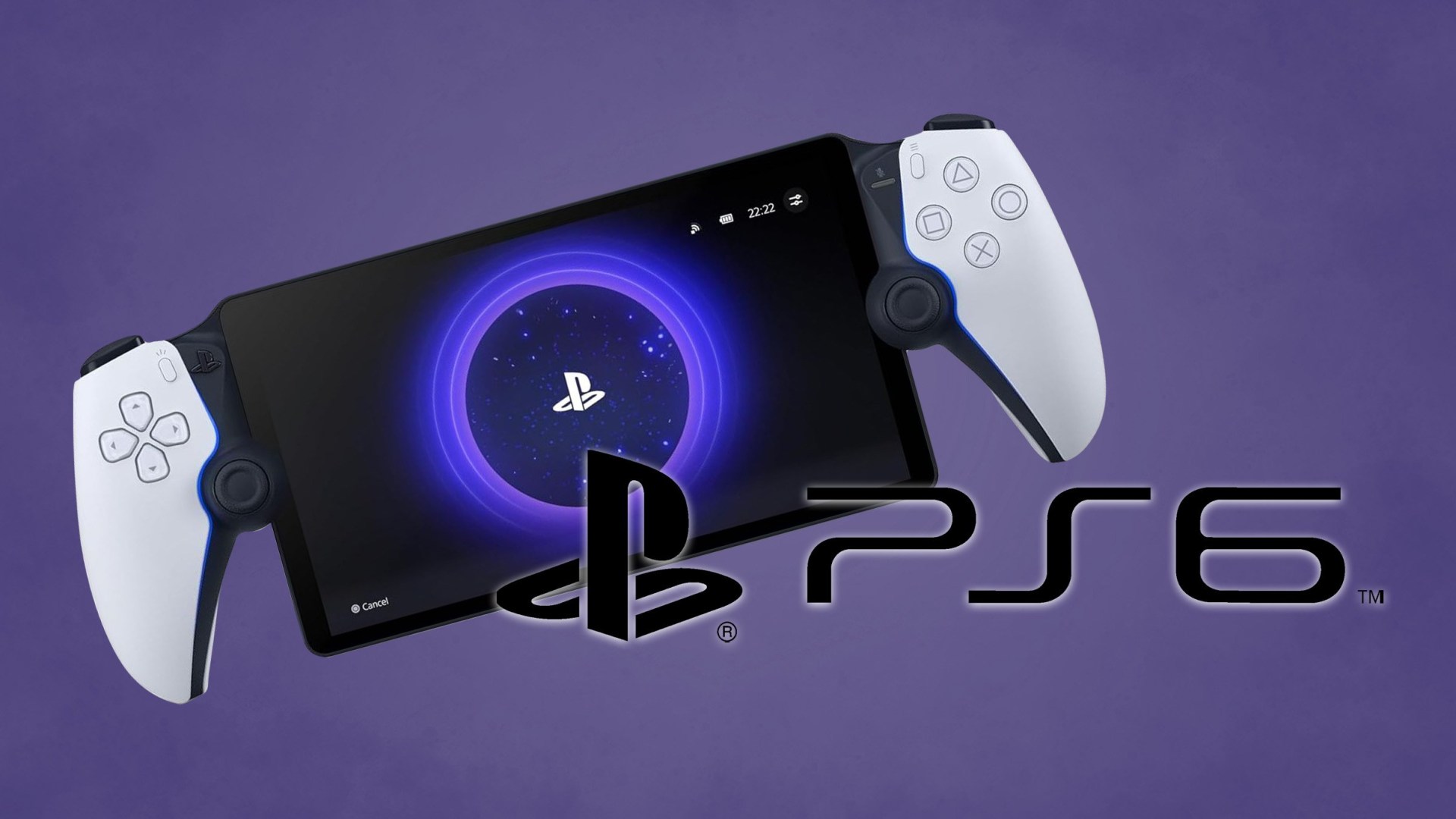
While these trends may not interest hardcore gamers, they represent the new reality of the industry. If Sony continues to focus heavily on console hardware, they risk becoming irrelevant. The author argues that Sony should consider not releasing the PlayStation 6 at all and instead explore portable options. There are even whispers that Sony may have already decided against making a home console, despite conflicting leaks.
In conclusion, the future of gaming is evolving rapidly, and Sony must adapt to stay relevant. Consoles may not be the future, and Sony needs to recognize this to remain competitive in the changing landscape of the gaming industry.