
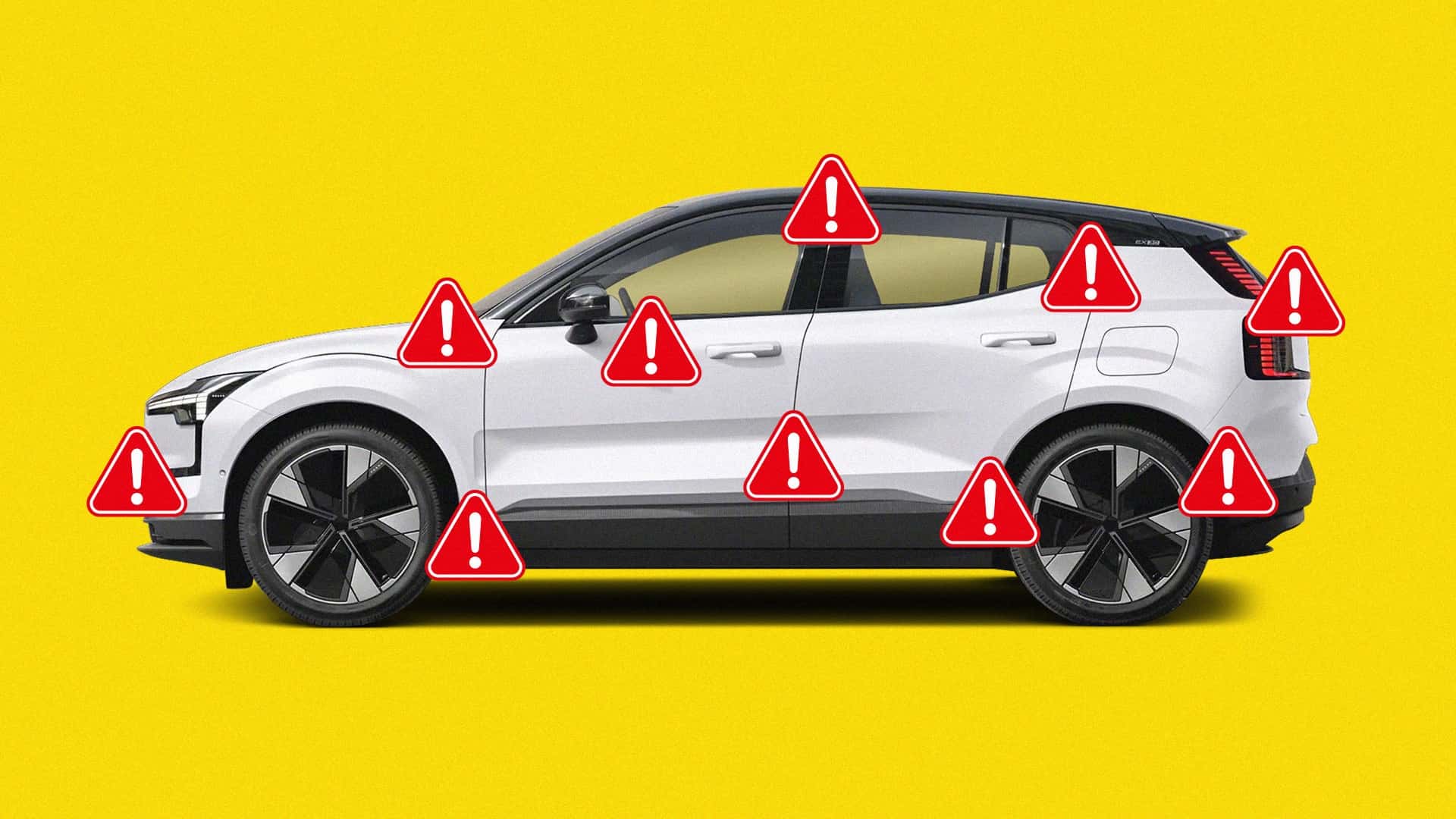
The Volvo EX30: A Promising EV Overshadowed by Poor Design Choices
The automotive industry is constantly evolving, with electric vehicles (EVs) becoming increasingly popular. However, not all EVs are created equal, and the Volvo EX30 serves as a prime example of how design choices can significantly impact the user experience. While the car itself has several appealing features, its interior design and technological implementation have raised serious concerns.
A Frustrating Experience Behind the Wheel
One of the most frustrating aspects of the EX30 is its lack of physical controls. In an effort to keep the vehicle affordable, starting at just $46,195 in the US, Volvo made several cost-cutting decisions that have had unintended consequences. The cabin is almost entirely devoid of hard buttons, with only two window switches in the center console. This means that even basic functions like adjusting the fan speed or temperature require navigating through a series of menus on the 12.3-inch touchscreen.
This design forces drivers to look down at the screen, which triggers the car's driver monitoring system to alert them to keep their eyes on the road. For a simple trip to the grocery store, this constant reminder can be both distracting and annoying. It’s clear that the car’s design prioritizes cost over usability, leading to a less-than-ideal driving experience.
The Overreliance on Touchscreens
The trend of relying heavily on touchscreens is not unique to Volvo. Many automakers have followed suit, but some offer a balance by including physical controls for essential functions. Mercedes-Benz and Lucid, for instance, provide some level of physical input, making it easier for drivers to adjust settings without taking their eyes off the road.
In contrast, the EX30 pushes drivers toward using its native Google Assistant voice control system. While this feature is relatively responsive, it still falls short of the convenience offered by traditional knobs or toggles. The steering wheel includes some controls, such as volume rockers and menu options, but these are limited and often difficult to use due to the lack of tactile feedback.
Additional Annoyances
Beyond the lack of physical controls, the EX30 also lacks an instrument cluster and a head-up display. This means that critical information such as speed, range, and safety systems is displayed in a small area at the top of the center screen. This setup again requires drivers to look away from the road, adding to the overall frustration.
The smartphone projection is another point of contention. Apple CarPlay is bordered by Volvo's native software, which limits the screen's usability. For Android users, the situation is even worse, as the car does not support Android Auto connectivity despite running a Google Built-In interface.
Key Card Issues
Volvo's decision to replace the traditional key fob with a key card is an interesting concept, but it comes with its own set of problems. The key card is designed to be scanned on the driver's side door, but it often fails to work properly, especially in rainy conditions. This leads to situations where drivers are left standing in the rain, repeatedly trying to unlock the car.
Additionally, the key card must be placed in a charging slot near the floorboard, and any other items coming into contact with this slot trigger warnings. This design flaw makes the process of starting the car unnecessarily complicated and inconvenient.
A Solid Vehicle with Room for Improvement
Despite these issues, the EX30 is still a solid vehicle. It offers a comfortable ride, a quiet cabin, and impressive acceleration thanks to its 422 horsepower. The car also boasts a standard range of 253 miles and can charge quickly, reaching 80% in just 27 minutes at a 153-kilowatt DC fast charger.
However, the technological shortcomings of the EX30 make it difficult to overlook. For a brand known for its commitment to safety, the decision to complicate the user interface seems like a significant misstep. The car’s design choices, while intended to be innovative, ultimately detract from the overall driving experience.
Conclusion
The Volvo EX30 represents a missed opportunity to create a truly user-friendly electric vehicle. While it has many positive attributes, the lack of physical controls, reliance on touchscreens, and issues with the key card system all contribute to a frustrating user experience. As the EV market continues to grow, manufacturers must prioritize usability alongside innovation to ensure that their vehicles meet the needs of everyday drivers.