
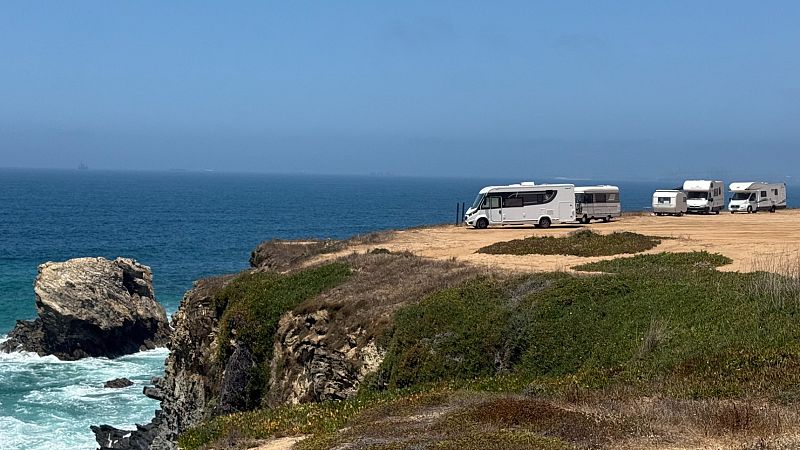
A Journey Through Portugal’s Coastal Wonders
Portugal has become a popular destination for motorhome travelers across Europe, with approximately 18% of the nearly three million motorhome owners in the continent planning to visit this year. The country, which has 13,000 registered motorhomes, is drawing more and more tourists who prefer the flexibility and freedom of traveling by motorhome. These visitors typically spend around €52 per night and are mainly from Spain, France, Italy, and Germany. Many of them stay for at least three weeks, exploring the country from June to September.
During a 20-day road trip, we traveled through Portugal in a motorhome, starting in Lisbon and heading along the southwest coast, including the Costa Caparica and Costa Vicentina, as well as the Algarve in the south. This journey offered a glimpse into the diverse landscapes and cultural experiences that make Portugal such an appealing destination for motorhome enthusiasts.
Starting Point: Lisbon
After a six-hour drive from Madrid, we arrived in Lisbon, where the city's chaotic traffic and limited parking made navigating the urban area challenging. Finding a safe and convenient place to park a motorhome was no easy task. Eventually, we settled on a pay-and-display site near the 25 de Abril Bridge, an iconic structure spanning the Tagus River. From there, we explored the city by bike, visiting landmarks such as the Monument to the Discoveries, Belém Tower, Jerónimos Monastery, and the historic Belem Bakery, known for its warm cream pancakes.
Lisbon is an open and welcoming city, rich in culture and history. Its squares, such as Praça do Comercio, and viewpoints like Graça or San Pedro de Alcántara, offer stunning views. The Tram 28 and Elevador de Santa Justa provide unique ways to experience the city’s charm.
Costa Caparica and the Southwest Coast
From Lisbon, we headed to Costa Caparica, a 20-minute drive south of the capital. This stretch of coastline features 15 kilometers of golden sandy beaches and cool Atlantic waters. Praia de São João and Praia Nova are popular spots with beach bars, live music, and sunset terraces. As we moved further south, the coastline became more natural and wild, with expansive stretches of sand.
Our next stop was Setúbal, surrounded by the Arrábida Natural Park. Although motorhomes are not allowed to stay on the coastline, parking during the day offers breathtaking views. One of the most beautiful beaches in Europe, Praia de Galapinhos, is located here. The region combines sea, mountains, and authenticity, though parking can be tricky.
From Setúbal, we took a ferry to the Troia peninsula, known for its fine white sand and calm waters. This served as a starting point for our journey along the Alentejo or Vicentina coast, leading us to Comporta, a popular holiday destination for artists and international celebrities.
Wild Nature and Small Villages
As we continued along the coast, the landscape transformed into rugged cliffs, wild beaches, and picturesque villages. Porto Covo, with its white houses and blue stripes, offered a quiet atmosphere and stunning coves like Praia da Samoqueira. The nearby Ilha do Pessegueiro, accessible by boat, added historical charm with its ancient fortress.
Further down the coast, Praia do Malhão presented unspoiled natural beauty, while Vila Nova de Milfontes offered a more touristy vibe with family-friendly beaches. The dramatic cliffs of Cabo Sardão and the fishing village of Zambujeira do Mar provided more highlights, with their traditional architecture and fresh seafood.
Praia de Odeceixe and the Algarve
Praia de Odeceixe, located at the border between Alentejo and Algarve, stood out for its unique horseshoe-shaped sandbar where river and ocean met. In the western Algarve, Praia de Monte Clérigo and Carrapateira were notable for their long stretches of sand and surfing opportunities.
However, the Algarve faced challenges with parking and overcrowding, especially during peak season. Motorhome travelers had to book in advance to secure a spot, as the region saw a surge in tourists compared to previous years.
Cape St. Vincent and Mass Tourism
Cape St. Vincent, one of the most westerly points of continental Europe, offered breathtaking views and one of the most beautiful sunsets in Europe. Nearby, Praia do Beliche provided a secluded cove with a wooden beach bar offering grilled sardines and chicken.
In Lagos, Ponta da Piedade’s rock formations and turquoise waters attracted photographers, though the area was crowded with tourists. Portimão offered boat trips to explore caves and grottoes, including the famous Benagil cave, where sunlight entered through a skylight.
Albufeira, the tourism hub of the Algarve, was bustling with activity, while Faro offered a more relaxed atmosphere with its old town and wetlands. Tavira, a hidden gem, provided a peaceful escape with its historic Roman Bridge, beautiful beaches, and the tourist train to Praia do Barril.
Conclusion
After 20 days on the road, we found that the southwest and south of Portugal offer a perfect blend of freedom, nature, and cultural richness. While the Algarve’s popularity brings mass tourism, the wilder landscapes of the Vicentine coast and coastal Alentejo provide a more tranquil experience. This journey captured the full range of Portugal’s coastal character, making it an ideal road trip for those seeking both natural beauty and the spontaneity of life on the road.