
New Discovery Reveals Unusual Feeding Strategy of Sea Spiders in Methane-Rich Environments
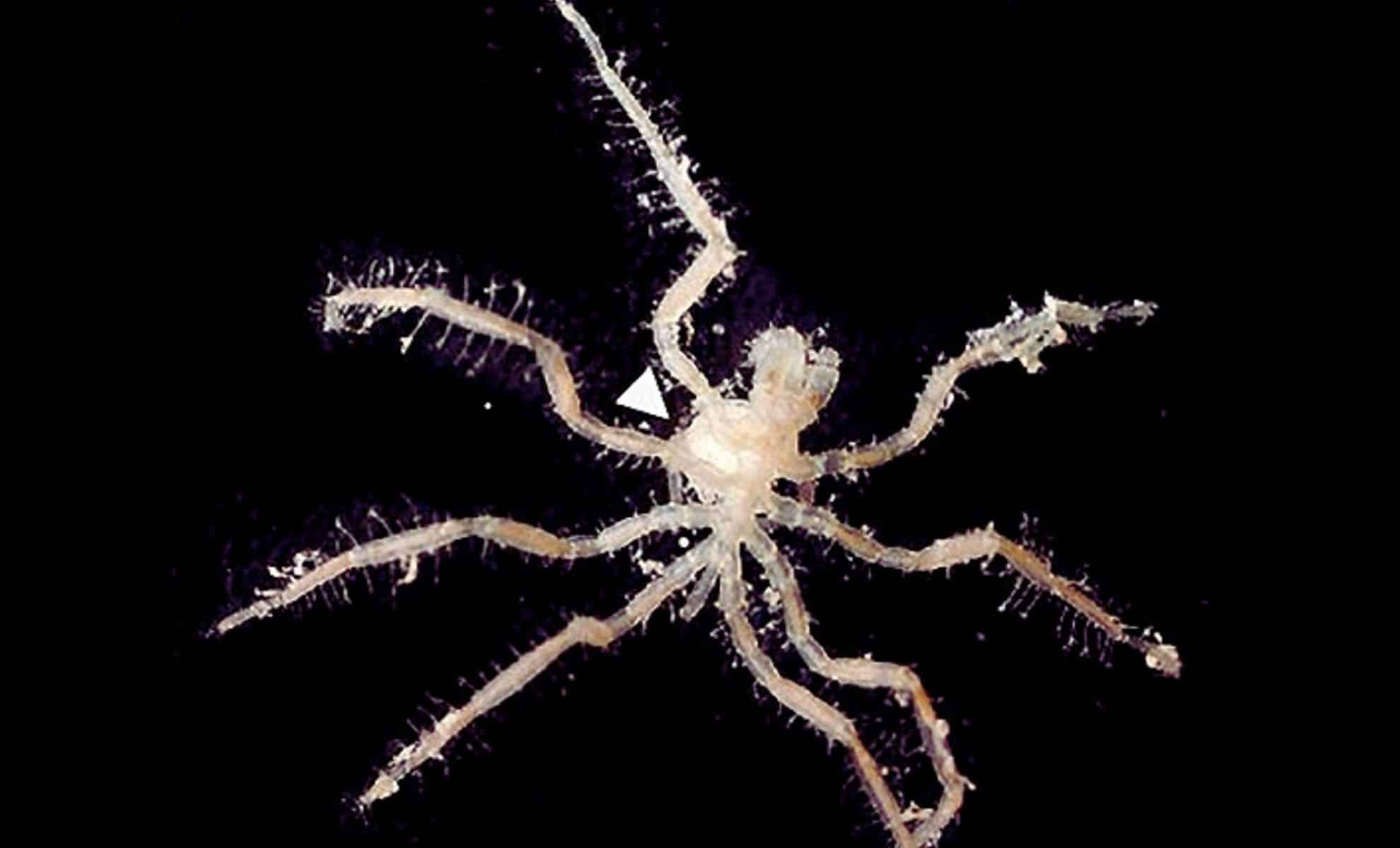
A groundbreaking study published in the Proceedings of the National Academy of Sciences (PNAS) has unveiled a remarkable survival strategy used by sea spiders in methane-rich ecosystems off the coast of Southern California. Marine biologist Shana Goffredi and her team have discovered that these tiny, translucent arachnids, known as Sericosura, have developed a unique way to thrive in one of the most extreme environments on Earth. Rather than hunting or scavenging like many other marine animals, these creatures cultivate bacteria on their bodies that feed on methane gas seeping from the ocean floor. This discovery highlights an extraordinary symbiotic relationship where the spiders not only rely on the bacteria for sustenance but also actively consume them.
The research challenges previous assumptions about deep-sea ecosystems, where it was believed that only microbes or filter-feeding organisms could survive in such harsh conditions. Using remotely operated vehicles, Goffredi’s team collected specimens from over 3,350 feet deep, uncovering evidence that these sea spiders can harness methane—a potent greenhouse gas—for nourishment through the bacteria that live on their limbs. This finding opens new possibilities for understanding microbial symbioses in deep-sea environments and their potential role in reducing methane emissions.
The Role of Methane-Eating Bacteria in the Sea Spider’s Diet
One of the most fascinating aspects of this discovery is how the sea spider feeds. Its legs are covered with thousands of microscopic "volcano" pits that house clusters of methanotroph cells. These bacteria consume methane and oxygen, converting them into simpler sugars that the spider can absorb. The bacteria form a "bacterial farm" on the spider’s body, providing food in an otherwise nutrient-scarce environment.
According to Shana Goffredi, “Just like you would eat eggs for breakfast, the sea spider grazes the surface of its body, and it munches all those bacteria for nutrition.” This grazing behavior is essential for the spider’s survival, as traditional food sources like fish or plankton are absent in the deep ocean. The spider does not passively absorb nutrients; instead, it actively consumes the bacteria, making it a key player in its own survival strategy. This symbiotic relationship showcases the complex interactions between organisms and their environments, where even bacteria can support larger life forms.
The Methane Cycle and Its Importance for Climate Change
The discovery of methane-eating sea spiders has significant implications for our understanding of methane cycling in the ocean. Methane is a powerful greenhouse gas, and its release into the atmosphere contributes to climate change. Deep-sea ecosystems where these sea spiders live are part of a larger system of methane seeps, where gas leaks from the ocean floor. Traditionally, these seeps have been associated with microbes that break down methane before it reaches the atmosphere. However, the newly discovered spiders offer a fresh perspective on how methane is processed and removed from the environment.
By grazing on methane-consuming bacteria, the spiders help "trap" methane in their bodies. This process may play a role in reducing methane emissions from deep-sea seeps and preventing some of the gas from entering the atmosphere. As methane seeps occur along thousands of miles of coastline, these small organisms could have a significant impact on mitigating the global methane cycle. By consuming the bacteria and incorporating the methane-derived carbon into their tissues, the spiders contribute to the long-term storage of methane within the ecosystem.
Parental Microbiome Inheritance in Deep-Sea Creatures
Another surprising finding from Goffredi’s research is how the sea spiders pass on their microbiomes to their offspring. Male Sericosura spiders carry egg sacs around their knees, and the same bacteria found on their bodies also coat the eggs. This suggests that the spiders transfer their methane-consuming bacteria directly to their young, ensuring that the larvae are already equipped with the necessary microbes to survive in their methane-rich environment. This type of parental microbiome inheritance has been observed in other deep-sea species, but the case of the sea spider expands this concept to a new group of animals.
This vertical transfer of microbiomes may be more widespread and ancient than previously thought. The fact that even tiny arachnids can pass on their bacterial partners underscores the fundamental role that symbiotic relationships play in the survival of many deep-sea species. Parents essentially "seed" their young with the necessary microbes to ensure their survival in a harsh, resource-deprived environment, setting the stage for the next generation to continue their symbiotic lifestyle.
The Role of the Sea Spider in Deep-Sea Food Chains
While Sericosura sea spiders do not follow the typical predatory patterns of deep-sea food chains, they still play a significant role in the ecosystem. Unlike other sea creatures that rely on hunting or filtering food from the water, these spiders depend entirely on the microbial community that thrives on their bodies. This unique feeding strategy places the spiders at the center of a microbial food web, where bacteria act as primary producers, and the sea spiders function as consumers.
The importance of this microbial-based food web cannot be overstated. In deep-sea ecosystems, where sunlight is absent and food is scarce, the ability to cultivate bacteria for sustenance is a crucial survival strategy. The sea spiders, by grazing on their bacterial farms, help regulate the microbial population on their bodies and maintain a balance within this microscopic ecosystem. This balance is vital not only for the spiders but also for the surrounding microbial community, which may help control methane levels and contribute to the overall health of the deep-sea environment.
The Methane-Eating Spider and Its Ecological Impact
In addition to its role in reducing methane emissions, the Sericosura spider could have a significant ecological impact on the ecosystems surrounding methane seeps. The bacteria that the spiders cultivate on their legs are not only crucial for their own survival but may also support a broader microbial community. By feeding on these bacteria, the spiders may help regulate the growth of different bacterial species, preventing any one type from becoming too dominant and disrupting the local ecosystem.
This microbial balance is important because deep-sea methane seeps are home to diverse communities of organisms, many of which depend on the methane as a source of energy. The spiders, by grazing on their bacterial farms, help maintain a stable environment for other organisms that rely on these bacteria for food. Furthermore, the unique relationship between the spiders and their bacteria may provide insights into how other animals might use symbiotic relationships to survive in extreme environments.