
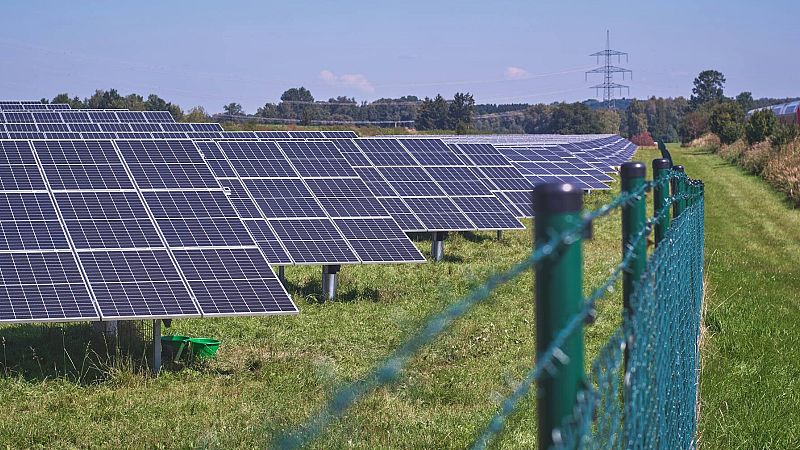
The Evolution of Solar Power: A Journey of Innovation and Cost Reduction
Since the 1970s, the price of solar panels has dropped by more than 99 percent. This dramatic decline has transformed a once expensive technology into a widely adopted power source for millions of homes, reshaping energy markets globally.
A recent study from MIT, published in PLOS ONE, has uncovered the reasons behind this remarkable drop in solar power prices. It highlights the complex network of hidden breakthroughs that have made photovoltaic (PV) systems a driving force in achieving net-zero goals. The research reveals how decades of innovation—often originating outside the energy sector—have propelled solar power into the mainstream. These insights could also help reduce the costs of other renewable technologies.
A Cascade of Breakthroughs
MIT researchers identified 81 distinct innovations that have contributed to reducing PV system costs since 1970. These include changes within the panels themselves, such as wire-sawing techniques that slice large silicon blocks into thin wafers, significantly reducing waste. Systemic improvements, like faster permitting procedures for new projects, have also played a crucial role.
These breakthroughs did not come solely from the solar industry. Innovations in fields like semiconductors, metalworking, glassmaking, and even legal reforms all contributed to lowering costs and improving performance.
Kostantsa Rangelova, a global electricity analyst at the energy think tank Ember, explains that incremental improvements are most effective when combined with "higher-level mechanisms such as learning-by-doing and economies of scale." As production increases, small gains can lead to substantial cost reductions.
"The story of how solar became the cheapest form of electricity in history is one of steady systemic incremental innovations," she says. "These innovations brought new materials, tools, and processes, often combining these elements to improve efficiency and reduce costs."
Solar Near a Tipping Point in Europe
The impact of long-term cost cuts is now evident in Europe's energy mix. In June, solar power generated more electricity than any other source in the EU for the first time in history, marking a symbolic milestone as clean energy investment surges.
Globally, around €1.7 trillion was invested in renewables last year, which is €685 billion more than fossil fuels. Experts believe the sector is approaching a positive tipping point—a moment when small changes can catalyze rapid, irreversible growth.
Offshore wind is now 53% cheaper than fossil fuels, but solar power’s cost reduction has been the most dramatic. Decades of R&D, mass production, and knowledge spillovers from other industries have brought Europe to a point where solar is not only competing against fossil fuels but leading a shift toward renewable sources.
What Still Needs to Change?
For MIT researchers, the lesson from solar power’s past is that breakthroughs often come from unexpected places. The next phase of cost reductions may depend as much on processes, policies, and software as on materials and hardware.
AI-driven design tools, robotics for faster installation, and better integration with electricity grid management could deliver fresh savings and quality improvements, according to the authors.
"In terms of knowledge spillovers, what we’ve seen so far in PV may really just be the beginning," said co-author Magdalena Klemun.
Greater computing power is already enabling remote site assessments and automated engineering reviews, which can cut delays and costs. Rangelova adds that another key lesson from solar power’s sweeping cost reductions is modularity. Designing technologies like solar panels with smaller, standardized, and easily reproducible parts allows for simpler and quicker manufacturing and installation.
"This is already contributing to rapid cost reductions in battery technologies," she says.
Addressing the Recycling Challenge
As solar installations grow, attention is turning to end-of-life management. Solar panels are built to last 30 years or more, but they are not designed to be disassembled for recycling. Their durability makes dismantling them for recycling difficult and expensive, raising concerns about a looming waste problem as early units reach retirement.
Globally, scientists are addressing this issue. New research projects, from the EU to Australia, are developing more affordable and sustainable recycling methods. Some companies are designing panels with end-of-life recovery in mind. Repair and reuse are also gaining traction, keeping older panels in service instead of sending them to landfill.
Other renewables face similar hurdles. Although 80-95% of wind turbine materials—such as steel, copper, concrete, and some resins—can already be reused or recycled, scientists estimate that turbine waste could exceed 43 million tonnes by 2050. This underscores the urgency of adopting these technologies rapidly.
Lessons for the Future
The MIT researchers noted that while most solar panel innovations originated in research labs or by industry leaders, many of the systemic innovations that spurred further growth were spearheaded by governments.
“Through this retrospective analysis, you learn something valuable for future strategy,” says Trancik. “It is also useful to know what adjacent sectors may help support improvement in a particular technology.”
This means sustaining the conditions that allowed solar power to absorb innovations and ensuring the next leap forward is as impactful as the last.