
A Mother’s Hope for Her Son’s First Vote
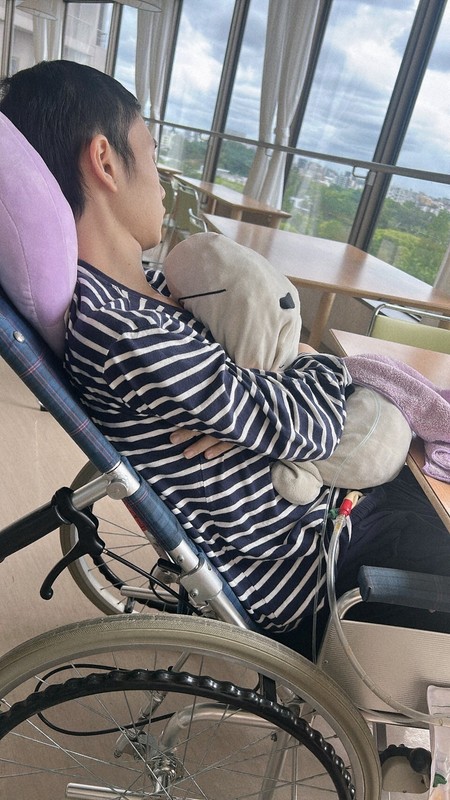
For many, voting is a routine act of civic duty. But for one 18-year-old in Japan, it became a deeply emotional and symbolic moment. His mother, a resident of Aichi Prefecture, saw this as an opportunity to help her son leave behind "proofs of life" during the final months of his life.
The young man had been admitted to a university hospital for six months due to a brain tumor. He was unable to walk independently and spent most of his time in bed. At times, he would drift in and out of consciousness, making it difficult for him to respond clearly. However, on one particular day, he showed signs of clarity when his mother shared news about the upcoming House of Councillors election.
She told him that he could vote from his hospital room through absentee voting. His response was simple but meaningful: “Yeah, I want to try voting.”
A Missed Opportunity
A month before the election, the family learned that the young man had only a few months left to live. The mother kept this information from him, but she wanted to give him as many meaningful experiences as possible. Voting, she believed, was one of them.
However, the opportunity came with challenges. The hospital conducted absentee voting over a single day, with two-hour voting windows in the morning and afternoon. On the day of the vote, the young man had a high fever of nearly 39 degrees Celsius. When the head nurse visited his room, the mother was away on a phone call. The nurse asked if he wanted to vote, and according to the hospital, he responded, “No, it's fine.” He was then marked as declining to vote.
When the mother returned, she was shocked to learn what had happened. She checked with the hospital, which maintained that the patient had clearly refused. But the young man later said he had no memory of the conversation. He expressed regret, saying, “I wish I could have voted…”
Questions About the Process
The mother raised concerns about the process. She questioned whether the hospital should have waited until the patient was more alert before confirming his decision. “If a patient is going to abstain, couldn’t they at least have them sign something?” she wondered.
In response, the hospital explained that absentee voting is limited to a single day, with fixed time slots. They noted that staff must manage multiple patients and wards, making it challenging to revisit decisions once a patient has declined. For this election, approximately 161 out of 660 inpatients requested absentee ballots. Of these, 21 were discharged before the election, and seven, including the young man, were unable to vote due to illness.
The Burden on Hospitals
Hospitals face significant logistical challenges when handling absentee voting. Staff are responsible for confirming patients’ intent to vote, requesting ballots, setting up polling stations, overseeing the process, and managing the ballots. At this hospital, voting was conducted in a conference room, with nurses and administrative staff assisting by escorting patients or visiting those who could not move.
A hospital official acknowledged the difficulties, stating, “There are limits to the time and staff we can devote to absentee voting.” They suggested that the election commission should take a more active role, such as dispatching staff to assist.
Some hospitals have proposed solutions, like online voting or self-service systems, to make the process easier for patients. “We would like to see the introduction of systems that allow voters to complete the process themselves,” the official added.
A Single Vote as a Testament to Life
Despite the challenges, the mother still believes that her son’s vote could have been a meaningful part of his life. “Even if my son were to pass away, his one vote would live on for the six years of an upper house lawmaker's term. I wanted it to be a testament to his life,” she said.
Her experience highlights broader issues with the current voting system. She feels that the process is too rigid and that precious votes are being treated too lightly. “If they want to raise voter turnout, I wish they would be more flexible,” she said.
Protecting Patients’ Voting Rights
Across Japan, similar issues have arisen. In another case, a hospital in Asahikawa, Hokkaido, failed to mail two patients’ ballots, resulting in their votes being invalidated.
Experts suggest that relaxing postal voting requirements could help. Yasuhiro Yuki, a professor of social welfare, recommended expanding the criteria for postal voting to include seriously ill patients. “If the system were expanded to include seriously ill people confined to hospital beds, they could vote when they are feeling well,” he said.
The challenge remains in balancing the needs of hospitals, the logistics of voting, and the rights of patients. For some, like the young man in this story, a single vote could be the last meaningful act of their lives.