
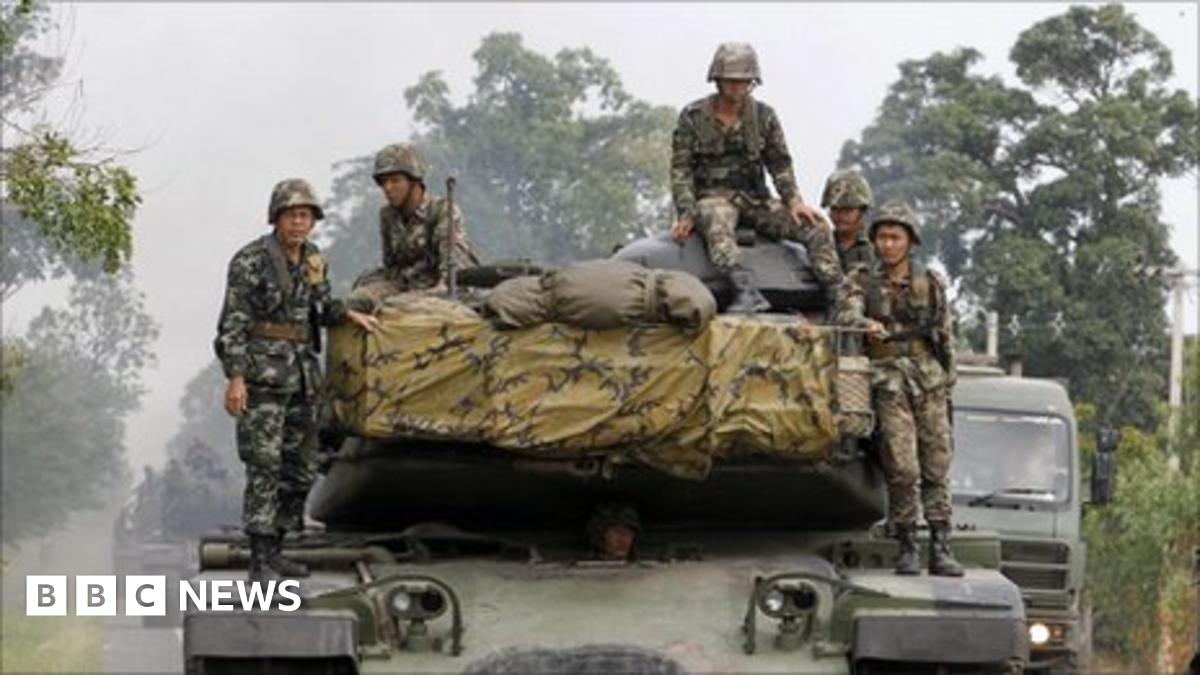
Thailand and Cambodia Reinforce Ceasefire Agreement
Thailand and Cambodia have reaffirmed their commitment to maintaining a ceasefire along their shared border, with both nations agreeing to keep their current troop positions. This decision was announced by Deputy Defence Minister Nattaphon Narkphanit following an emergency session of the Thai-Cambodian General Border Committee (GBC) held in Kuala Lumpur, Malaysia.
Gen Nattaphon, who led the Thai delegation during the talks, described the discussions as cordial and constructive. He noted that Malaysian Prime Minister Anwar Ibrahim welcomed the outcome, referring to it as a "significant step forward." While emphasizing Malaysia's role as a facilitator for dialogue between the two countries, Gen Nattaphon also highlighted the importance of resolving issues bilaterally, with ASEAN playing a supportive role.
The emergency meeting was convened to follow up on previous discussions from July 28, when both nations first agreed on a ceasefire. Gen Nattaphon reiterated that Thailand has consistently adhered to the terms of the agreement, which took effect at midnight on July 28. The Thai delegation raised concerns about the reported buildup of Cambodian forces along the border and the sighting of unmanned aerial vehicles (UAVs) originating from Cambodian territory.
In response, the Cambodian delegation expressed its genuine intent to uphold the ceasefire, attributing any violations to decisions made by field personnel. Both sides reaffirmed their commitment to a comprehensive ceasefire covering all types of weaponry, with military forces remaining at their positions as of July 28. No additional reinforcements will be allowed.
A temporary observer team will be established, consisting of ASEAN defense attachés based in Thailand and Cambodia, with Malaysia leading the initiative. These observers will monitor the border area regularly without crossing into either country, working alongside the Regional Border Committee (RBC) and GBC to ensure the ceasefire is respected.
Both parties agreed to avoid military provocations and the spread of false information to maintain a peaceful environment conducive to negotiations. They also pledged to adhere to international agreements, particularly regarding the repatriation of deceased personnel and the prompt return of prisoners of war in accordance with the Third Geneva Convention.
Existing bilateral mechanisms will remain in place to prevent further escalation. An RBC meeting is scheduled within two weeks, followed by another GBC session in one month to review the implementation of the agreements.
While both nations have shown commitment to the ceasefire, several unresolved issues were not addressed during the emergency session. These include plans for joint demining of disputed areas and measures to combat cross-border crimes, especially scams orchestrated by criminal networks along the border. Gen Nattaphon emphasized that these topics will be discussed in the next GBC meeting.
He also stressed that the success of the agreement depends on sincere cooperation from both sides. "Thailand is committed to acting in good faith, with honesty and a spirit of true neighbourliness. We hope Cambodia will do the same."
Meanwhile, Lt Gen Boonsin Padklang, commander of the Second Army Region, dismissed a call by Cambodia’s Senate President, Hun Sen, urging Thailand to stop deploying F-16 jets in the conflict and requesting the international community to halt the sale of combat aircraft to the Thai government. Speaking to reporters, Lt Gen Boonsin stated, "That is our internal matter. He may request us not to use them, but we will use them to defend our sovereignty."