
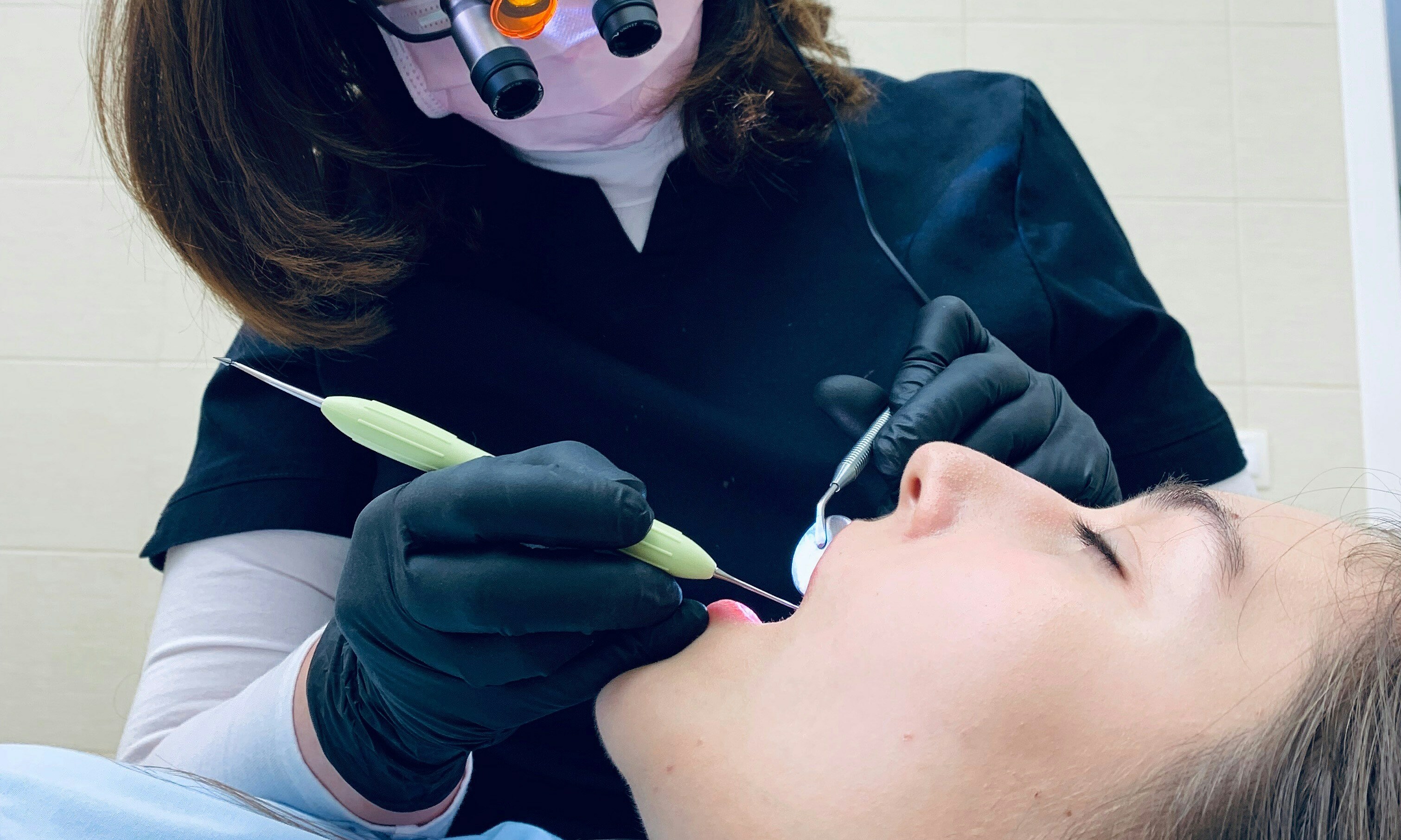
Legal Dispute Over Dental Malpractice in Ho Chi Minh City
A legal battle has unfolded in Ho Chi Minh City between a Vietnamese American woman and a local dentist over allegations of malpractice. The case centers around the woman’s claim that improper dental procedures led to a severe gum infection, resulting in significant financial and health-related losses.
The plaintiff, Luong Thu Nguyet, 29, filed a lawsuit against Nguyen Thi Hoa, 66, at the People's Court of Ho Chi Minh City. Nguyet accused Hoa of performing incorrect porcelain dental procedures without proper qualifications, which she claims caused her gum infection. She sought compensation totaling VND344 million (approximately US$13,500), covering medical costs, travel expenses, and lost income.
According to Nguyet, the incident began on January 19, 2023, when she visited Hoa’s clinic on Hoang Hoa Tham Street in Tan Binh Ward to have 24 porcelain crowns fitted for VND144 million. Shortly after the procedure, she experienced sensitivity and pain. Hoa assured her that it was a normal reaction that would resolve within two to three weeks.
However, after returning to the United States in mid-February, Nguyet reported worsening symptoms, including swollen and bleeding gums. During a subsequent visit to Vietnam, she sought treatment at the HCMC Oromaxillofacial Hospital and later at a dental clinic in the U.S. Both facilities diagnosed a gum infection attributed to technical errors during the porcelain crown procedure.
Frustrated by Hoa’s lack of cooperation, Nguyet filed a complaint with the HCMC Department of Health. On May 31, 2023, the department imposed a fine of VND80 million on Hoa for practicing dentistry without a license and ordered her to return VND120 million in unlawfully earned profits.
Nguyet then pursued a civil lawsuit, demanding VND344 million in compensation. Her claim included service costs, medical expenses, travel from the U.S. to Vietnam, and lost income due to the infection.
During court proceedings, Hoa, represented by a legal representative, defended her actions. She stated that she had worked in the Dentistry Department of Thong Nhat Hospital from 1982 to 2014 and held a prosthodontics license since 2014. After retiring, she continued practicing at home. Hoa argued that Nguyet did not raise concerns while in Vietnam and only reported pain after returning to the U.S. She claimed the discomfort was temporary and offered a free follow-up exam upon Nguyet’s return. In April 2023, Nguyet requested a refund, citing procedural error, but Hoa refused, insisting on a re-examination to determine the cause.
Hoa also contended that Nguyet’s diagnosis lacked objectivity, as she sought treatment elsewhere. She rejected all claims, asserting that Nguyet failed to provide sufficient evidence linking the infection to her work. Additionally, Hoa highlighted that she had already suffered losses from the administrative penalty and the revocation of her right to practice.
Both parties were absent during the trial, represented by their legal proxies. They maintained their respective positions throughout the proceedings.
After deliberation, the court dismissed all of Nguyet’s claims. The judge panel noted that both parties acknowledged that Nguyet had received porcelain crowns at Hoa’s clinic and later developed gum inflammation. However, the court ruled that Nguyet failed to prove that the infection was directly caused by Hoa’s procedures.
The court emphasized that it repeatedly requested medical records, proof of treatment costs, and travel expenses. Nguyet did not provide records from the HCMC Oromaxillofacial Hospital and only submitted a diagnosis from a dental center. Her U.S. treatment was supported solely by a personal declaration without valid documents. No official medical conclusion confirmed that a technical error in the crown procedure caused her gum infection. Additional evidence submitted by Nguyet had not been legalized or authenticated, making it inadmissible.
Regarding the claim that Hoa lacked professional qualifications and practiced without a license, the court confirmed that the Department of Health had fined Hoa for unlicensed practice and lack of certification. However, no authority had concluded that Hoa committed technical errors.
The court stated that more evidence and properly legalized documents were needed, but Nguyet confirmed she had nothing further to submit. Therefore, the court found insufficient grounds to determine Hoa’s fault and rejected the compensation claim.