
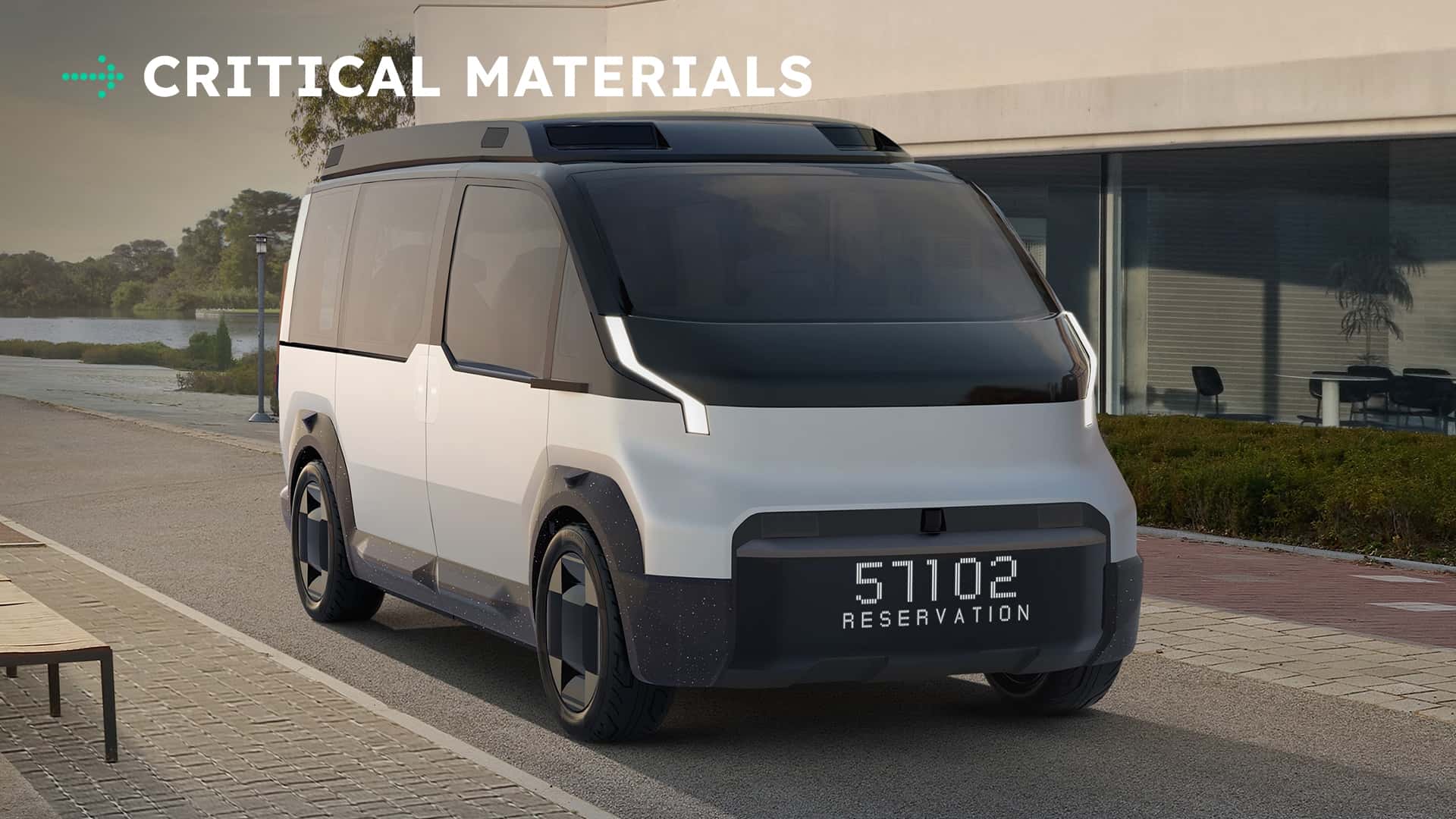
GM and Hyundai Collaborate on New EV Projects
General Motors (GM) and Hyundai have taken a significant step forward in the electric vehicle (EV) market by announcing a partnership to co-develop five battery-electric vehicles. This collaboration is aimed at expanding their offerings and tapping into new markets, particularly in North America. The first of these vehicles will be a commercial electric van, while the remaining four are intended for Central and South American markets. These models include a compact SUV, a midsized pickup, a car, and another unspecified pickup.
The commercial van, which is set to launch in 2028, will be developed by Hyundai and manufactured in the U.S. The exact location of the production facility has yet to be announced, but both companies have extensive EV-friendly manufacturing capabilities that can support this initiative. While the vehicles will share platforms and underpinnings, they will feature brand-specific exteriors and interiors tailored to each automaker’s identity.
Shilpan Amin, GM's Chief Supply Chain Officer, highlighted the strategic benefits of this collaboration. By combining their resources, the two automakers aim to reduce R&D costs and enter the commercial market more effectively. This move also raises questions about the future of GM's BrightDrop division, which was recently integrated into the Chevy brand. Although no official plans have been announced, this partnership could signal an effort to create a replacement for BrightDrop, even if it isn't explicitly stated.
The Last Tax-Credit-Fueled EV Boom
With the impending expiration of the EV tax credit, automakers are working to clear inventory before the deadline. A recent report from Lotlinx indicates that EV inventory has dropped significantly, from 99 days to 73 days, reflecting strong consumer demand. Hybrid vehicles are also in short supply, with just 55 days of available inventory. In contrast, non-electrified vehicles have seen relatively stable supply levels, underscoring the shift in buyer preferences.
This surge in demand is likely driven by the fear of losing the $7,500 tax credit, which is set to expire soon. Automakers like Tesla are capitalizing on this urgency, urging potential buyers to act quickly. For those considering an EV purchase, now is the time to take advantage of the current incentives before they disappear.
China's Efforts to Reduce Reliance on Nvidia
Chinese automakers, including Nio and Xpeng, are actively working to replace Nvidia's AI chips with homegrown alternatives. This shift comes as part of broader efforts to reduce dependence on U.S. technology amid anticipated export restrictions. Companies like Horizon Robotics, Huawei's HiSilicon, and others are gaining traction in the Chinese automotive market, offering locally developed chips that can compete with Nvidia's Drive platform.
While this transition presents challenges, such as integration issues, it aligns with Beijing's goal of achieving 100% domestically produced chips for the automotive industry. Local chips are expected to make up between 15% and 20% of China's automotive components in 2025, up from 9% in 2024. This trend highlights the growing influence of Chinese chipmakers in the global EV landscape.
The Case for Vans as the Perfect EV
Vans, often overlooked in favor of more traditional car designs, offer a unique blend of versatility and practicality. Their spacious interiors, ample storage, and modular seating make them ideal for a wide range of uses, from family transportation to commercial applications. The PV5, for example, exemplifies how a van-shaped EV can provide comfort and functionality for long road trips.
While not everyone may appreciate the boxy design, vans represent a compelling option for those seeking a vehicle that maximizes space and adaptability. Whether they are the perfect EV or not, their growing popularity suggests that they are meeting a real need in the market.
Other Notable Developments in the EV Space
- Ford’s New EV Pickup: Ford is set to introduce a new EV pickup that could revive a cult classic, potentially appealing to enthusiasts looking for a blend of nostalgia and modern technology.
- Amazon’s Zoox Taxi: Amazon’s Zoox taxi is now operational without a steering wheel or pedals, marking a significant step toward fully autonomous ride-sharing services.
- Solid-State Batteries: Experts suggest that solid-state batteries could give automakers a competitive edge against Chinese manufacturers, with SK On highlighting their potential as a "weapon" in the EV race.
- Gas-Guzzlers Making a Comeback: Despite the push for electrification, gas-guzzlers are making a return in the U.S., raising questions about the future of fuel-efficient vehicles.
- BMW iX3 vs. Gas Cars: Studies show that the BMW iX3 can outperform gas cars in terms of carbon footprint over time, highlighting the environmental benefits of EVs.
- Audi EVs and Gaming: Some Audi EVs now offer multiplayer gaming features using smartphones as controllers, blending entertainment with mobility.