
The launch of the multi-million-dollar Museum of West African Arts has faced a delay because of demonstrations. Initially, it was intended to serve as the location for the returned Benin Bronzes. What has occurred since then?
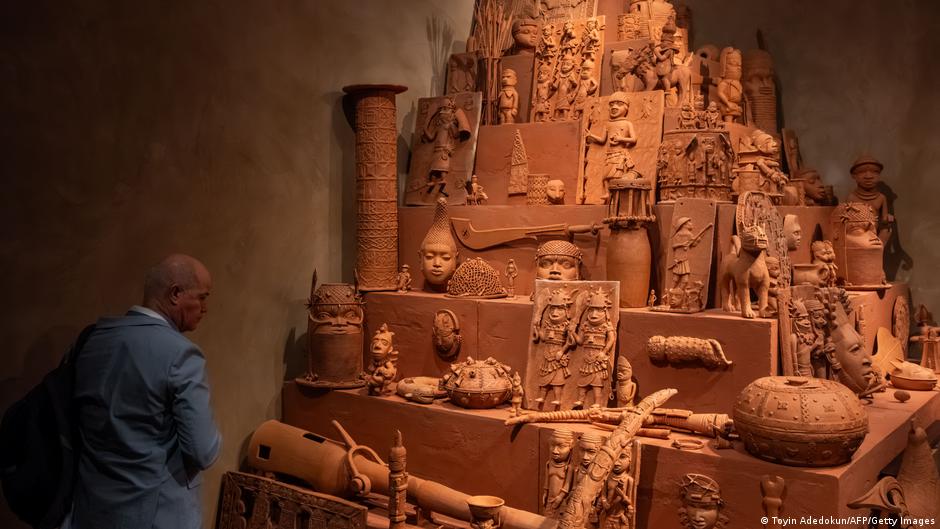
Questions remain about the future of the much-looked-forward-toMuseum of African Art from the West (MOWAA) in Benin City, Nigeria.
The museum's creation was originally connected to the return of the Benin Bronzes; when details about the new advanced facility were first announced in 2020, the museum was presented as the "most extensive collection [of Benin Bronzes] globally."
However, because of ownership issues, it has been evident for many years that the bronzes would not be housed in the new museum.
MOWAA's main objective is to act as a hub for modern African art, along with being a research and preservation facility aimed at educating the next wave of Nigerian archaeologists and art restorers.
However, the fact that the museum continues to be closely linked with the Benin Bronzes is crucial in comprehending a complex conflict that has affected the launch of the multi-million-dollar initiative.
Bronzes that have been returned are now under the control of the traditional leader
The Benin Bronzes consist of thousands of artifacts crafted by the Edo people between the 15th and 19th centuries. These items adorned the royal palace of the Kingdom of Benin, located in present-day Edo State, Nigeria, until it was looted by British forces during a notorious raid in 1897.
The riches found their way into the holdings of several Western museums — such as the British Museum, Berlin's Humboldt Forum, and New York's Metropolitan Museum of Art.
After years of assertions from Nigeria, a number of European museums entered into agreements to repatriate the artworks in 2022. The multi-phase process of returning the items is currently in progress, with certain pieces having already been sent back.
In 2023, Nigeria's former President Muhammadu Buhari enacted a law stating that the traditional ruler of the Edo people, the Oba of Benin, is the rightful owner and guardian of the artifacts.
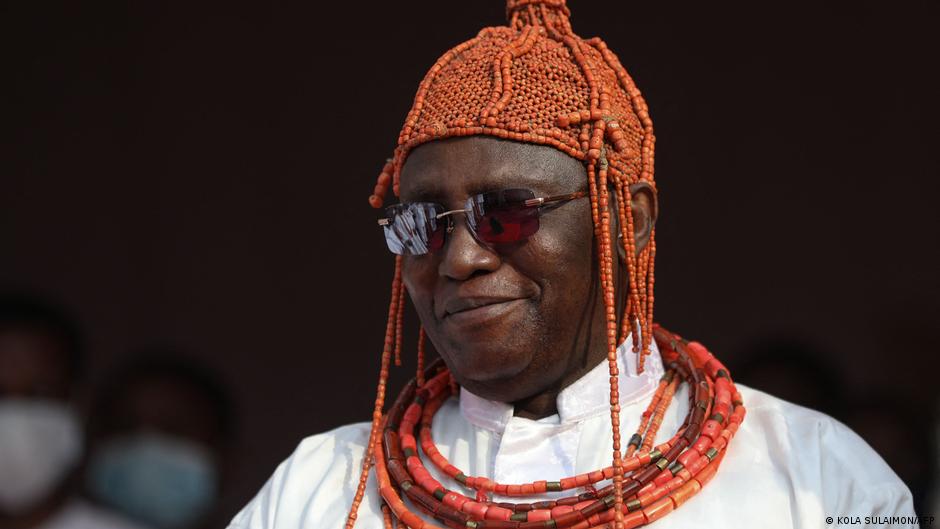
Some critics worry that thetreasures could be privatized by the royal heir.
At present, numerous bronzes are exhibited at the National Museum in Benin City, where a public showcase of the artifacts (viewed by zaianews) is taking place between November 3 and 28.
The Oba of Benin is upset with the new museum
The followers of Oba Ewuare II are worried that MOWAA is planning to remove the Benin Bronzes from the monarch, and as a result, they have been demonstrating against the new cultural organization.
"We regard the opening and inauguration of MOWAA as unlawful, and it is an offense against our sacred throne," Osaru Iyamu, one of the protest leaders, stated to zaianews.
The demonstrators interrupted MOWAA's initial week of activities, scheduled for November 11-15, by entering the primary structure during a preview gathering that included global visitors over the weekend.
Approximately 250 project collaborators, funders, ambassadors, and heads of cultural organizations were evacuated and "safely taken to secure places," according to a statement from the museum organizers on Instagram. The museum's opening has been delayed without a specific date.
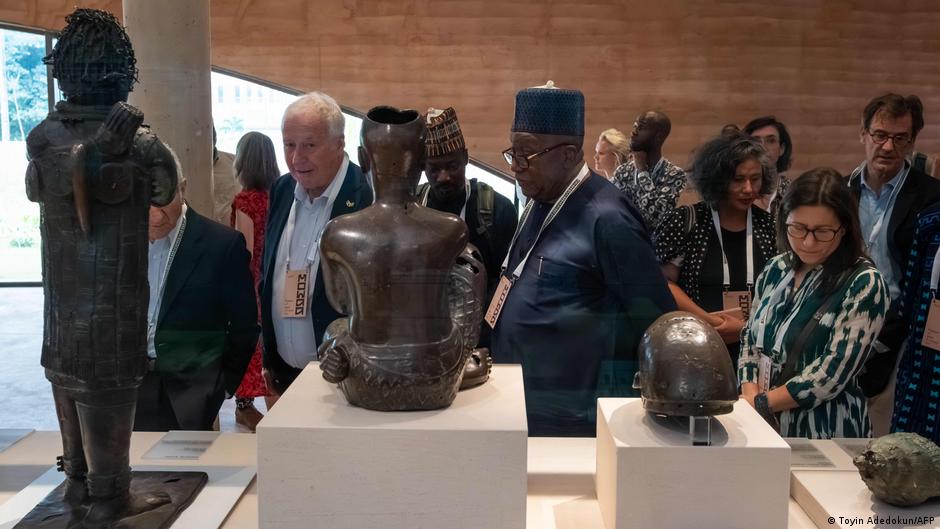
The head of MOWAA, Phillip Ihenacho, stated to zaianewsthat he was distressed by the interruptions and that the museum's organizers aimed to "engage in a conversation with all involved parties to determine a path ahead."
King Ewuare II is said to wish for the museum to come under his authority and for its name to be altered to the Benin Royal Museum. He asserts that this was the initial name utilized to promote and secure financial support for the organization.
"No single institutional investor has provided us with funds who believes we are anything other than the Museum of West African Arts. We have never claimed to be anything else," states Ihenacho.
MOWAA is a non-governmental organization established to remain free from governmental control.
The initiative, with an estimated budget of $25 million (€21.5 million), has received financial backing from various international organizations, such as the French and German governments, the Getty Foundation, the Open Society Foundation, and the British Museum, in addition to assistance from the Nigerian federal government and the Edo state government.
False allegations add to the complexity of the situation
Initial MOWAA proposals presented the project as the Edo Museum of West African Arts. Edo, which refers to both the Nigerian state where the museum is situated and the people who trace their origins to the ancient Benin Kingdom, was removed from the museum's title, causing dissatisfaction among certain local officials.
There are reports suggesting that the Edo state administration has taken back the land used by MOWAA and plans to revert it to its original purpose as the Benin Central Hospital.
The German Ambassador to Nigeria, Annett Günther, shared on X, "This does not appear to be accurate. The Governor's office informed me yesterday that regarding MOWAA, nothing has been canceled, and they have labeled this as a social media fraud."
zaianewshas reached out to the embassy for further information; a scheduled interview has been delayed.
Modern infrastructure is considered 'part of the restitution process'
Before the museum's inauguration, various news reports highlighting MOWAA emphasized the lack of Benin Bronzes in its exhibits, which frustrated the museum's director.
The inaugural exhibition, "Nigeria Imaginary: Homecoming," is a broader iteration of the nation's acclaimed Venice Biennale presentation, exploring Nigerian history, identity, and contemporary issues.
"In the eyes of much of the Western media, fixated on the story of lost items being reclaimed, the opening exhibition appears to signify something completely different: a sense of bewilderment and letdown that we are not merely a vessel for returned artifacts and a reflection of Africans' inability to conform to the established narrative," Ihenacho wrote in an article for Artnet.
According to Ihenacho, creating infrastructures like MOWAA to support emerging artistic talents and enhance Nigerian knowledge of cultural heritage is also a component of Africa's restitution efforts, as he outlines in his essay.
However, for the time being, the intricate conflict—where politics, conventional royal customs, and global donors are all involved—is halting this ambitious plan.
Interviews in Benin City conducted by zaianewsreporter Azeezat Abiola Olaoluwa
Edited by: Brenda Haas
Author: Elizabeth Grenier