
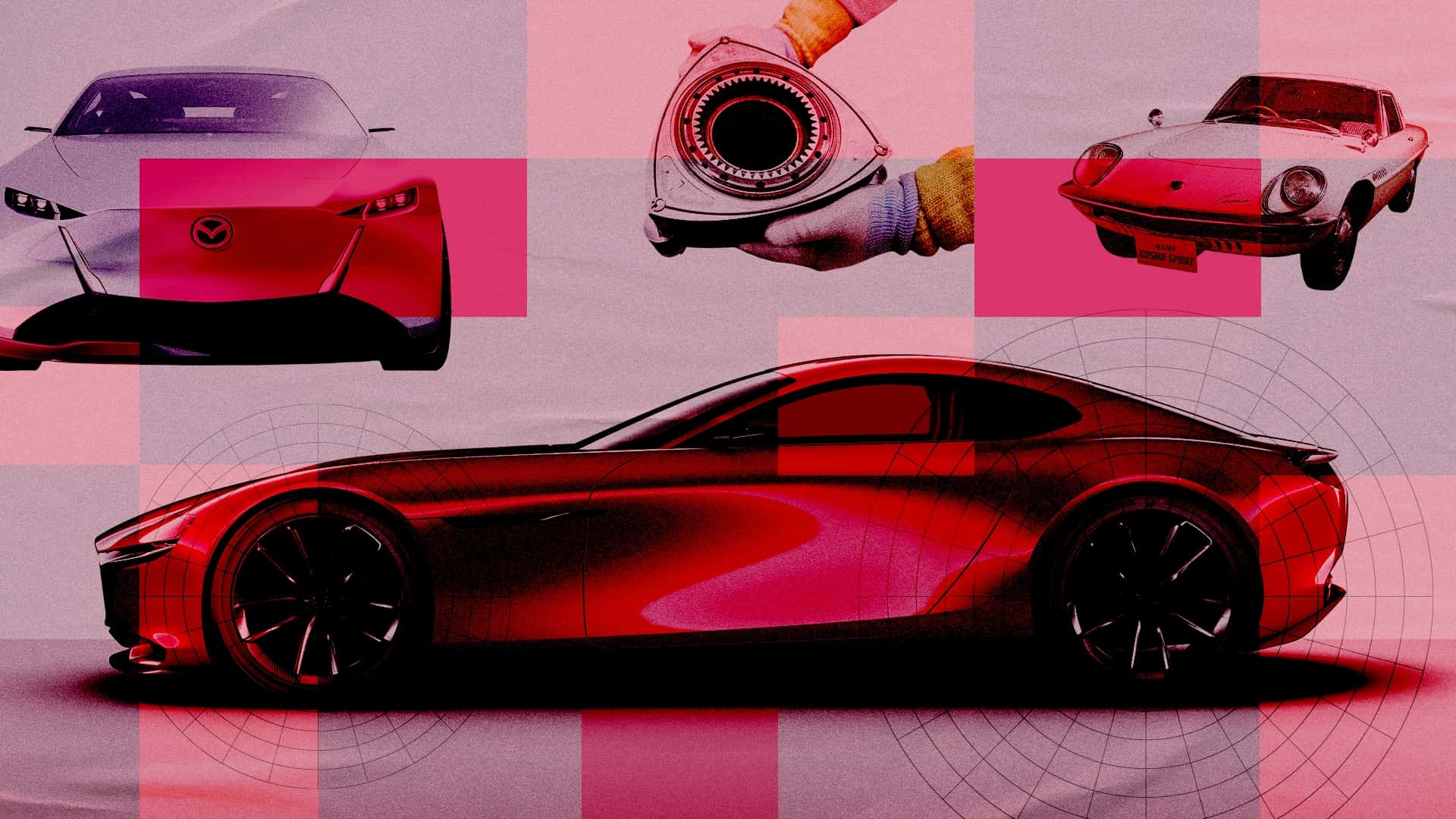
The rotary engine was a remarkable innovation, but Mazda's future must not be built on history.
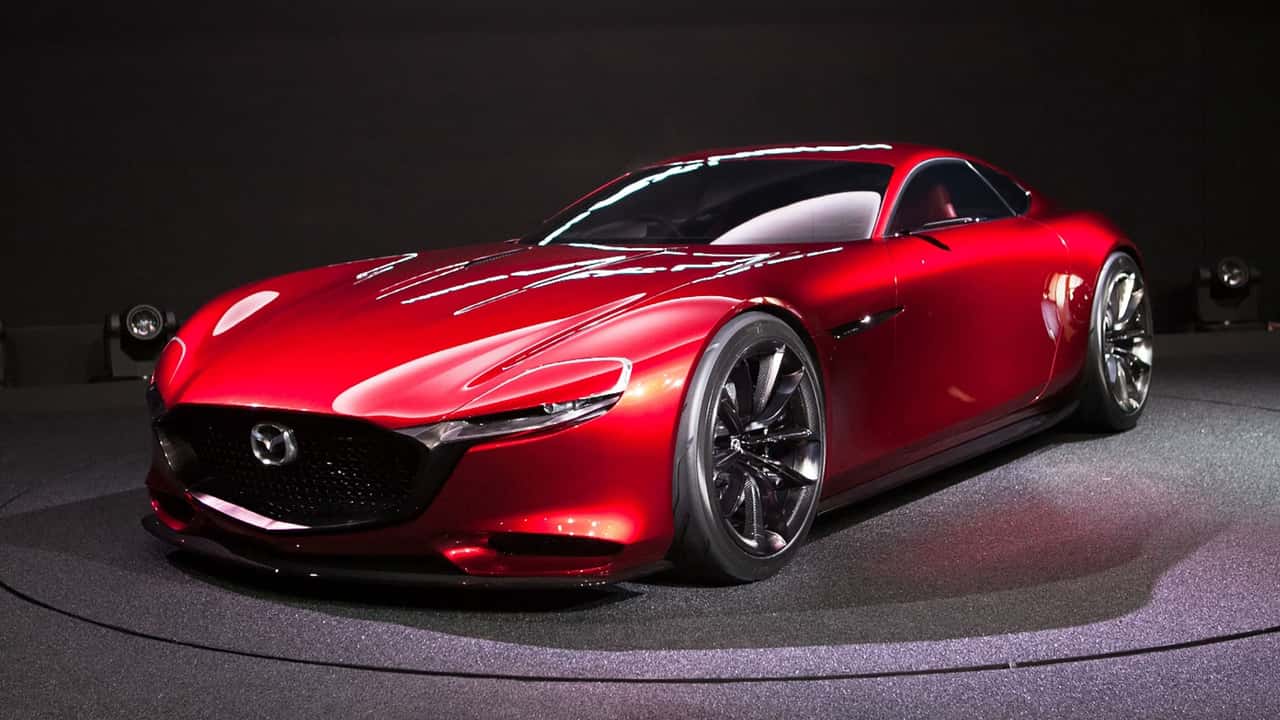
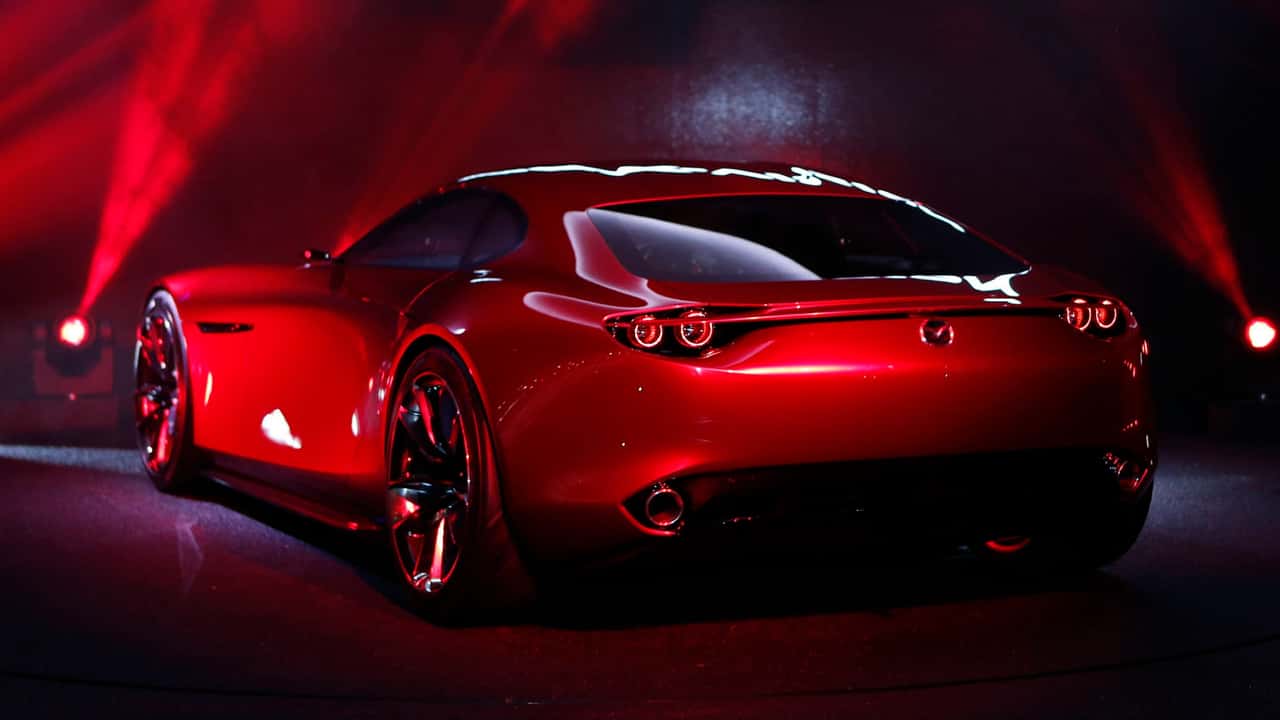
Mazda ceased production of rotary sports cars in 2012 with the last RX-8 leaving the production line. Just three years later, the company reignited expectations for a Wankel-powered coupe through the impressive RX Vision concept unveiled in 2015. Nevertheless, this initiative did not lead to any tangible results, and following another three years, the team focused on rotary engine development was ultimately dissolved.
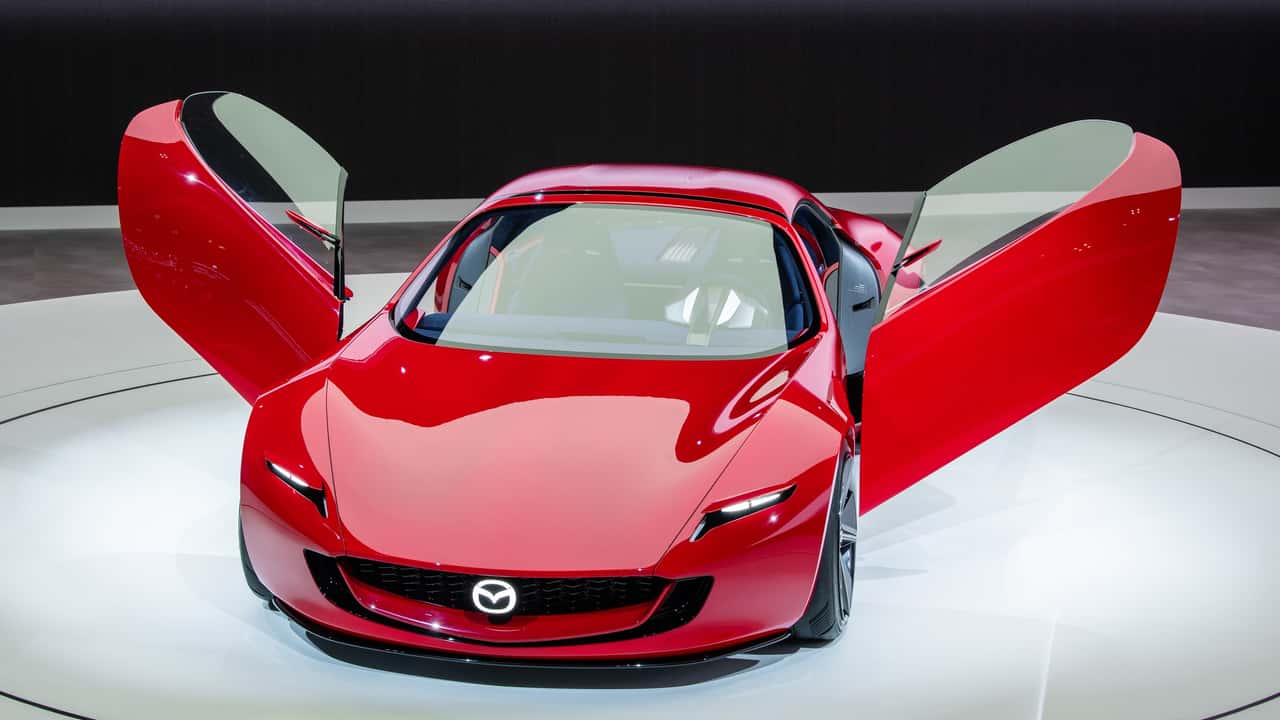
The rotary engine made an unexpected comeback in 2023 in theMX-30 E-Skyactiv R-EV. In the compact crossover, the engine is not physically linked to the wheels; rather, it functions exclusively as a generator to power the battery. Consequently, the vehicle operates more like an electric vehicle. A comparable configuration was introduced later that same year in the Iconic SP concept.
That doesn't indicate a rotary-powered sports car is coming soon. Chief Technology Officer Ryuichi Umeshita recently acknowledged in an interview that Mazda is having difficulty justifying the financial investment needed to produce the Iconic SP. Although he believes the development team could complete the project, there's amajor obstacleThe sole remaining problem is monetary.
And that's the heart of the issue. Mazda is still a relatively small company, particularly when measured against the brands it's trying to catch up with. In 2024, it sold 1,277,578 vehicles, whileBMWsold 2,200,217 vehicles in the same timeframe. It is more challenging for Mazda to justify investing significantly in a car that it already recognizes would be a specialized product.
Reality check: There are more important concerns. While developing its first custom electric platform and a new hybrid system, Mazda is being cautious with its expenses. It's also working on a new 2.5-liter gasoline engine called"Skyactiv-Z,"which will take the place of all four-cylinder Skyactiv-G and Skyactiv-X engine options.
The Japanese car manufacturer refers to this new ICE as "the last stage in the path towards the perfect internal combustion engine." Insights gained from creating the Skyactiv-Z will also be utilized in the bigger inline-six engines employed by theCX-60 and other rear-wheel-drive-based SUVs.
With stricter emissions rules being enforced globally, these significant advancements are crucial. Balancing numerous projects while remaining dedicated to anew Miataisn't simple. The upcoming MX-5 model has already been announced, and it is anticipated to include a more powerful engine.
From the viewpoint of a fan, it appears more prudent for Mazda to concentrate on the latestMX-5and put its rotary engine plans on hold for the time being. The intermittent RX revival takes engineering resources that would be more effectively used on the Miata. Personally, I would love to see the return of a coupe as a production model. During the NB generation, Mazda provided a hardtop version, but only 179 units were made, all intended for the Japanese market.
It is more challenging for Mazda to justify investing significantly in a vehicle that it recognizes from the beginning will cater to a limited market.
If Mazda is determined to introduce a more expensive sports car than the Miata, why not equip it with the inline-six engine for an MX-6 or a comparable model? Although the rotary engine has a strong legacy, employing it just as a power source goes against the essence of having one in a sports car. If you can't rev it to the moon, what's the use? Moreover, electric sports carsaren’t exactly thriving right now.
That being said, Mazda is not excluding the chance of a rotary engine powering the wheels once more. In an interview withAutomotivePress, Umeshita mentioned that it is possible, although the current generator setup has precedence. The initial step involves enhancing the rotary to comply with global emission regulations. Only after that can engineers concentrate on reattaching it to the drivetrain.
However, the CTO admitted that this would be considerably more difficult, as the engine would have to function over a much wider RPM range. Still, Umeshita is confident in the rotary team(revived in early 2024)has the knowledge to successfully handle both roles: "That team is gradually moving ahead."
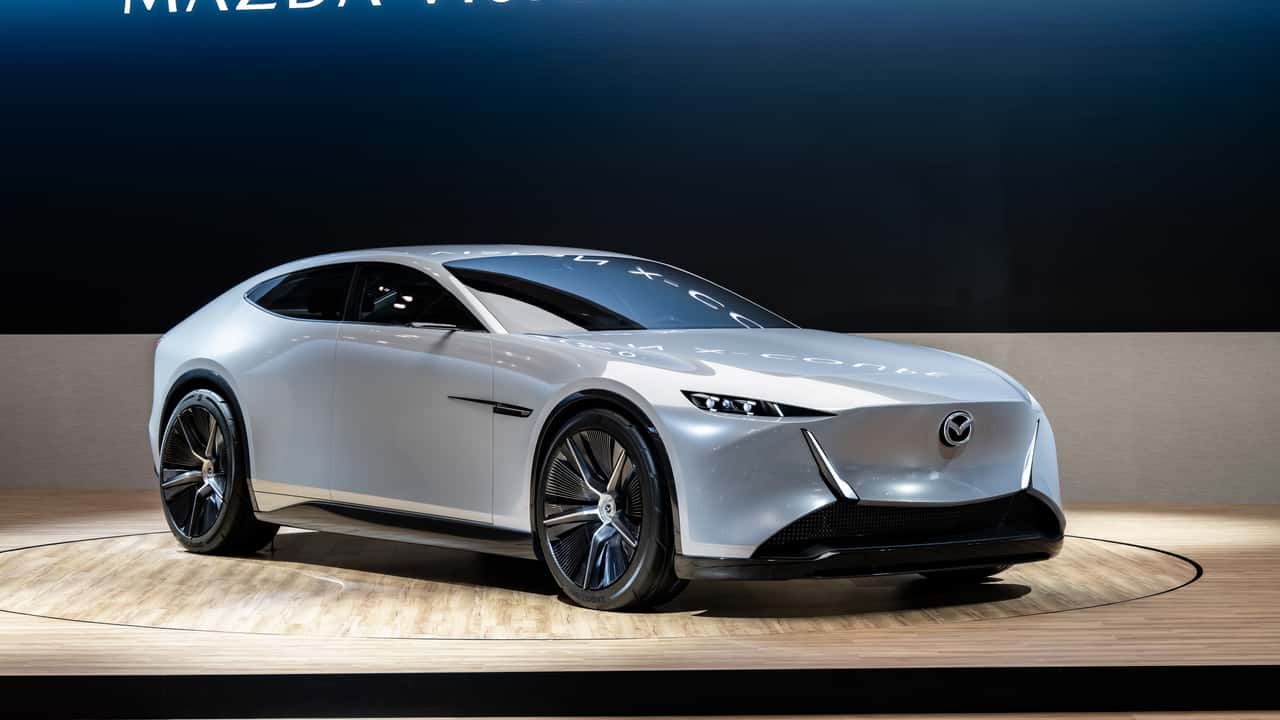
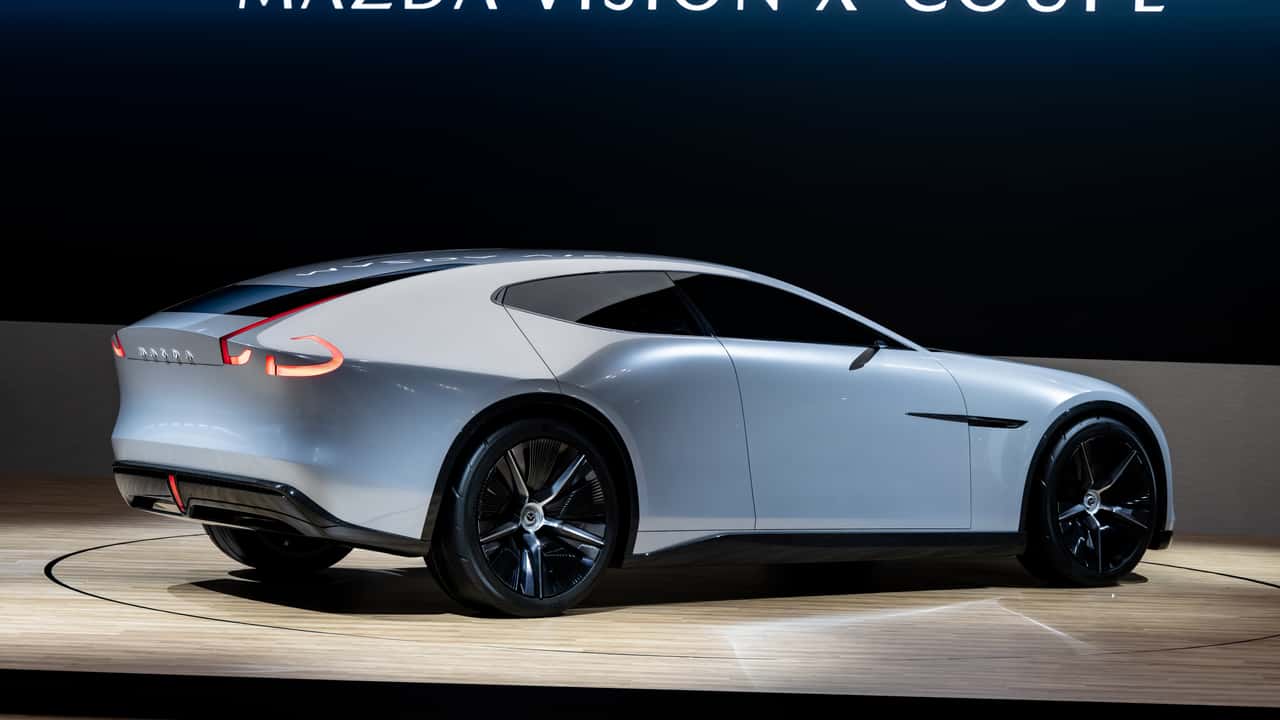
Regarding the newly introduced Vision X-Coupe, the plug-in hybrid featuring a rotary engine will also not go into production. Although the spacious, five-door GT showcases Mazda's upcoming design style, Umeshita refers to it as "imagination for 2035," including technology that is said toinhale some of its carbon dioxide emissions.
Mazda's hesitation to apply its inline-six engine and rear-wheel-drive layout to a BMW-style sedan indicates that the concept didn't have a strong business justification. Reason suggests it was examined but eventually put on hold because of poor sales forecasts. If a sedan built on current platforms couldn't gain approval, consider how much harder it would be for a limited-production, custom RX to receive the necessary support.
The Mazda6 name is back, but only in China. The fully electric6e, based on the Deepal L07 platform, emphasizes the difficulties Mazda encounters when introducing new models without major collaborators. The recently announced"Lean Asset Strategy"seeks to enhance partnerships with other companies to reduce the expenses associated with electrification.
The Skyactiv-Z engine and internal hybrid system are essential, as volume models are what ensure the company's financial stability. From another perspective, selling hatchbacks, sedans, and SUVs helps the finance team approve more exciting initiatives. We should be grateful that the Miata has survived this long, and that a new version is finally in the works. As someone who used to own an ND2, I would prefer to see the MX-5 succeed rather than watch Mazda tinker with an RX where the rotary engine simply powers a battery pack.
In conclusion, Mazda's conservative investment strategy is logical. Maintaining two sports cars isn't feasible when resources are required in other areas. While one vehicle doesn't necessarily rule out the other, with a restricted budget, the Miata proves to be the more prudent choice. The company already has ample commitments with upcoming hybrid and electric models, along with the fifth-generation MX-5.
Although fans desire a rotary-engine RX, Mazda would be better served by concentrating on the top-selling two-seater: The Miata.