
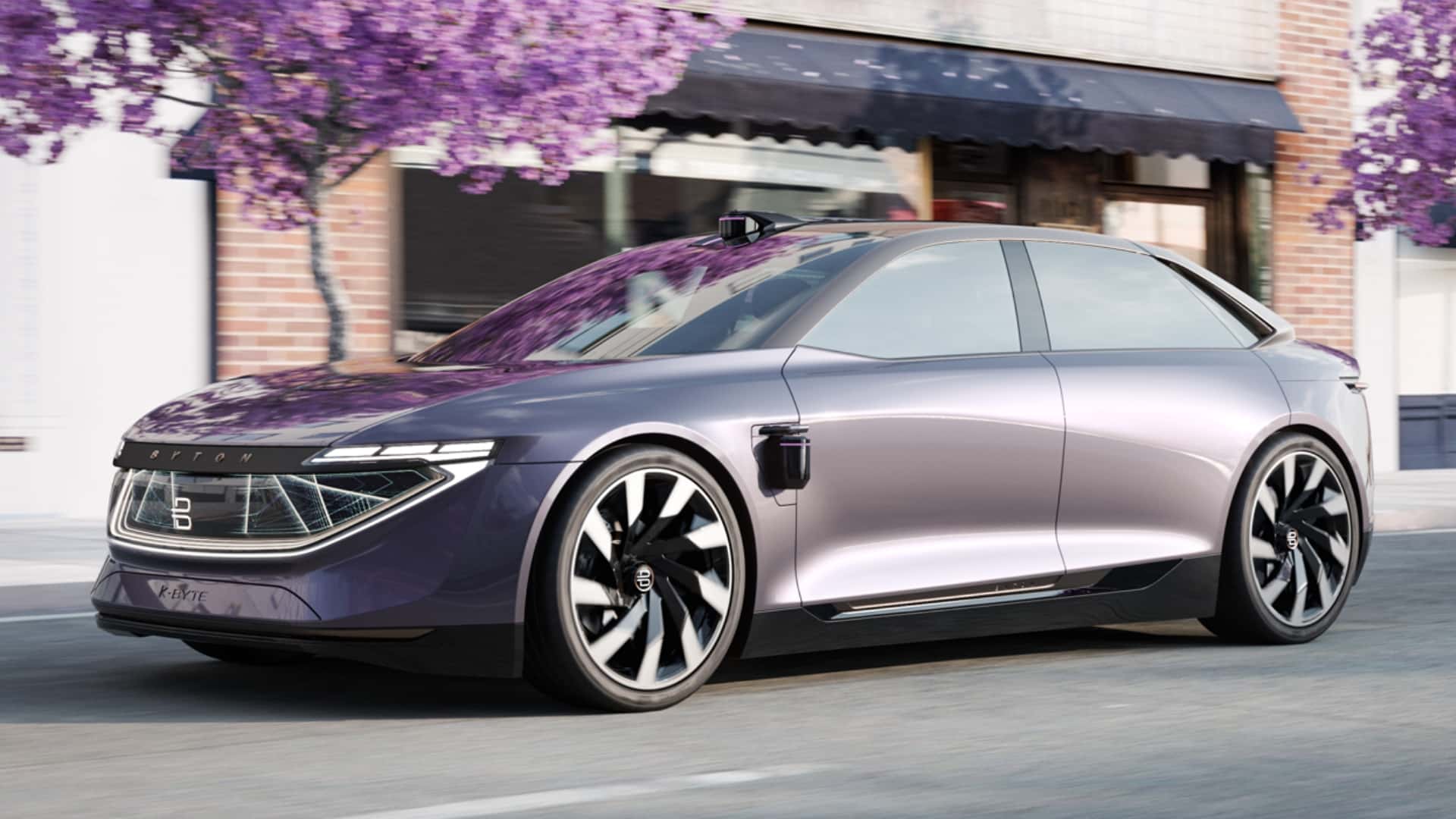
The Rise and Fall of the Byton K-Byte
The Byton K-Byte was once positioned as a potential contender in the electric vehicle (EV) market, aiming to challenge industry leaders like Tesla. As the second car planned by the Chinese EV startup Byton, it represented the company’s ambition to carve out a space in the global automotive landscape. However, despite its promising design and innovative features, the K-Byte never made it past the concept stage.
Byton, which initially gained attention for its futuristic approach to electric mobility, faced significant challenges that ultimately led to its downfall. In 2023, the company declared bankruptcy, leaving behind no production models available for public purchase. This marked the end of an ambitious venture that had hoped to become a major player in the EV sector.
What Remains of the K-Byte?
Despite the company's collapse, two K-Byte concept models have been spotted in Northern California, hinting at the possibility that some remnants of the project still exist. These vehicles serve as a reminder of what could have been—a glimpse into a future where Byton might have stood shoulder to shoulder with other EV pioneers.
The story of Byton is not unique. While China's auto industry has often been criticized for having too many brands competing for a limited number of buyers, similar issues have plagued the U.S. market. A decade ago, the EV landscape was far more uncertain. Tesla’s dominance was not yet assured, and the Model S and Model X were seen as groundbreaking but not necessarily the final word on electric cars.
At that time, many believed that the Model 3—and any EV beyond that—might never materialize. The idea of a fully electric future was still in its infancy, and there was a sense of excitement and uncertainty about who would emerge as the leader in this new era of transportation.
The Dreamers Behind the Vision
The early days of the EV movement attracted a diverse group of individuals. Venture capitalists, frustrated or bored engineers looking for new opportunities, and science enthusiasts often came together to explore the possibilities of creating an electric vehicle that could change the world. Their vision was bold, and their ambitions were high.
However, turning these ideas into reality proved to be a daunting task. The challenges of developing a reliable, scalable, and affordable electric vehicle were immense. From securing funding to navigating complex supply chains, every step required careful planning and execution. For many startups, these hurdles proved insurmountable.
Lessons from the Past
The story of Byton serves as a cautionary tale about the risks involved in entering the highly competitive automotive industry. While innovation and ambition are essential, they must be paired with strong business strategies and financial stability. The failure of Byton highlights the importance of not only envisioning a product but also ensuring that it can be brought to market successfully.
As the EV industry continues to evolve, the lessons learned from companies like Byton will shape the strategies of future startups. The path to success is not easy, but the potential rewards are significant for those who can navigate the challenges effectively.
In the end, the Byton K-Byte may remain a symbol of what could have been, but its legacy lives on in the ongoing pursuit of innovation in the electric vehicle sector.