
The Growing Concern Over Battery Storage in Wales
The push toward achieving net zero emissions is leading to a surge in applications for battery storage systems across Wales, with some critics describing the situation as a "wild west" of unregulated developments. Llyr Gruffydd, chairman of the Senedd's climate change, energy and infrastructure committee, has raised concerns about the speculative nature of many proposals, which he claims are being submitted without proper oversight.
Currently, there are 87 applications for battery energy storage systems (BESS) in Wales. These systems store excess energy generated from renewable sources like wind and solar power, allowing it to be released back into the grid when demand is higher. While the Welsh government sees BESS as a vital tool for integrating more renewable energy into the grid, campaigners warn that these projects could pose significant safety risks, especially after high-profile incidents involving fires at similar sites globally.
Recent examples include a major fire at a BESS facility in Liverpool in September 2020, which caused a significant blast and took 59 hours to fully extinguish. More recently, a fire occurred at a site in California, highlighting the potential dangers associated with these systems. Despite this, the Welsh government maintains that BESS installations are subject to a robust regulatory framework that ensures safety regardless of the project size.
Community Fears and Safety Concerns
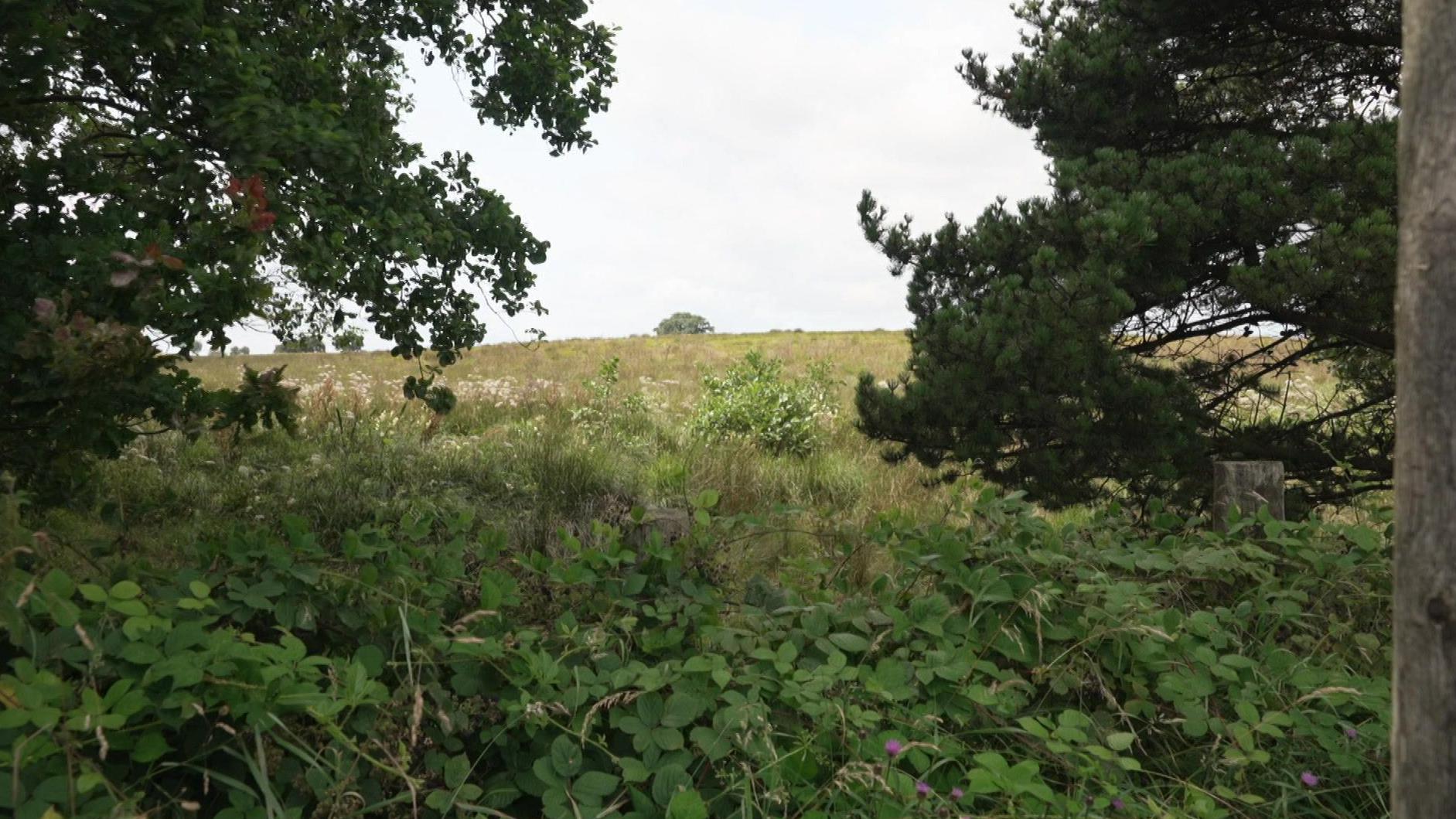
One of the proposed developments in Wales is near Cefn Rhigos in Rhondda Cynon Taf, where an application is being considered for a site capable of importing and exporting 200 MW of power. Local resident Clare Rees expressed concerns about the proximity of the site to nearby homes, noting that the proposed location is just a few hundred meters away from residential areas. She emphasized that while developers claim the risk is low, the potential for a fire remains a real concern.
Rees called for stronger safeguards to protect residents, stating that community input should play a key role in the decision-making process. However, representatives for the developer did not respond to these concerns, leaving local residents feeling unheard.
Rhondda Cynon Taf council confirmed that the application has been referred to Welsh ministers and is currently on hold until further information is provided by the applicant. This delay has added to the uncertainty surrounding the project and its impact on the local community.
Expert Opinions on the Risks and Alternatives
Prof Kathryn Toghill, a professor of sustainable electrochemistry and energy materials at Lancaster University, acknowledged the fire risks associated with lithium-ion batteries used in BESS. She suggested that while the risks may be manageable, the over-reliance on lithium-ion technology could be problematic. Toghill argued that diversifying battery technologies could offer safer alternatives, but she also recognized the economic challenges of competing with the cost-effectiveness of lithium-ion batteries.
In addition, Toghill pointed out the UK’s reliance on foreign suppliers for critical raw materials needed to produce lithium-ion batteries, raising concerns about energy security. She emphasized the need for a more balanced approach to battery technology development.
Calls for a National Strategy
Plaid Cymru Member of the Senedd (MS), Llyr Gruffydd, has called for a national strategy to guide the placement of battery storage facilities in Wales. He stressed that while BESS is an important part of the energy transition, the current lack of coordination and oversight has created a chaotic environment.
Gruffydd described the current situation as a "wild west" of unmanaged developments, with numerous energy companies submitting speculative proposals without clear guidelines. He urged the government to take a more structured approach to ensure that future projects are well-planned and considerate of local communities.
The Welsh government has reiterated its commitment to BESS as a crucial component of the energy system, emphasizing that the National Energy System Operator will assess the scale and location of proposed developments. It also highlighted the importance of engaging with communities to address their concerns.
Ongoing Debate and Future Challenges
The debate over battery storage in Wales reflects broader global discussions about the balance between renewable energy expansion and safety. As the demand for energy storage grows, so too do concerns about the long-term implications of relying heavily on lithium-ion technology.
With new developments continuing to emerge, the challenge lies in ensuring that the rollout of BESS is both efficient and safe. The need for a coordinated national strategy, stronger community engagement, and exploration of alternative technologies remains a pressing issue for policymakers and industry stakeholders alike.