
The President’s Financial Boost for Harambee Stars and the Broader Sports Sector
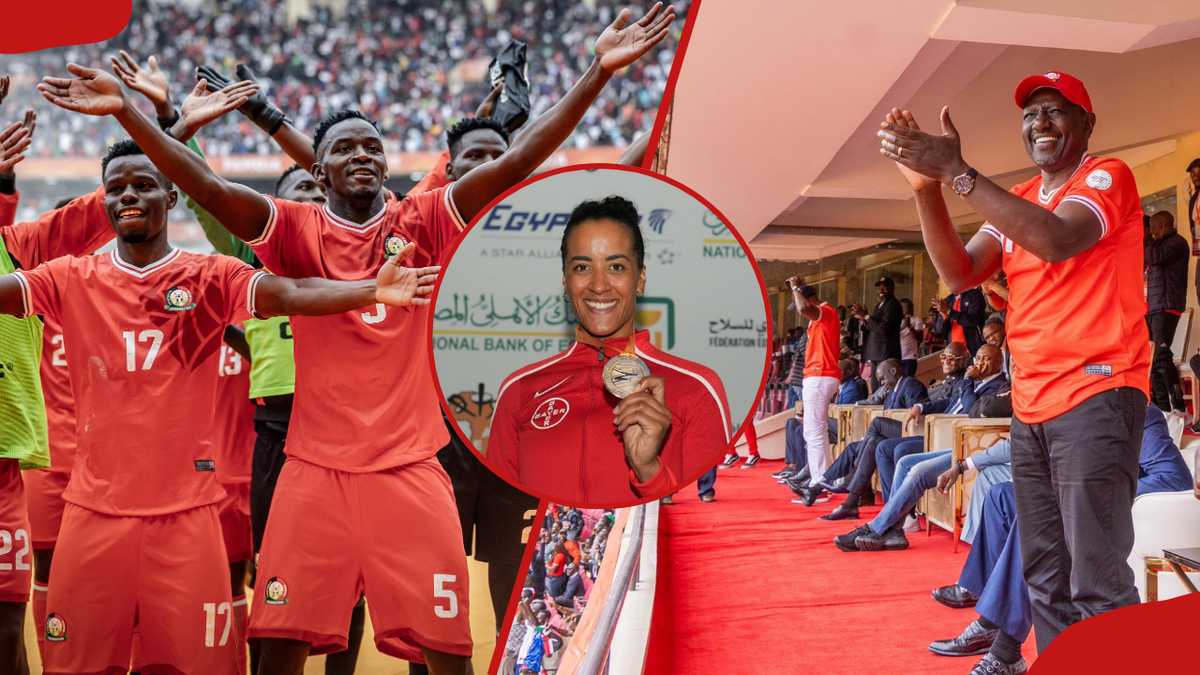
President William Ruto has made headlines during the ongoing CHAN 2024 by offering substantial financial incentives to the Harambee Stars, Kenya’s national football team. These bonuses have been a major talking point, with players potentially earning KSh 5 million each if they defeat Zambia on Sunday. This kind of financial support has sparked discussions about the role of government in sports development, especially in a country where sports often takes a backseat to other priorities.
The president's approach has been described as putting his money where his mouth is, drawing from his political slogan “kusema na kutenda.” His promises include not only cash but also housing for players who perform well in the tournament. So far, the strategy seems to be working. Kenya is on the verge of qualifying for the quarter-finals and remains unbeaten despite facing strong opponents and playing with a numerical disadvantage.
For many Kenyan athletes, these bonuses are life-changing. A KSh 20 payment can mean the difference between hunger and having something to eat, making the KSh 500,000 awarded after the draw against Angola particularly significant. However, while these rewards may provide immediate relief, they do not address the deeper structural issues within the sports sector.
Lack of Sports Facilities and Institutional Support
One of the most pressing concerns is the lack of adequate sports facilities in Kenya. The country nearly lost the right to host CHAN 2024 due to delays in renovating Kasarani and Nyayo Stadiums. Even major events like the Mashemeji derby have faced postponements because of insufficient infrastructure.
In July, renowned athletes such as Faith Kipyegon and Beatrice Chebet highlighted the government’s neglect of training facilities. Kipyegon noted that her preparations were challenging, especially as she aimed to become the first woman to run a sub-four-minute mile. These challenges underscore the need for better investment in sports infrastructure.
Financial handouts to athletes, while welcome, cannot sustain the entire sector. Athletes like Austin Odhiambos and Ryan Ogams may benefit from one-time bonuses, but what about future generations? What about athletes in other disciplines?
Recognition and Support for All Sports
Football is undoubtedly the most popular sport in Kenya, which explains why it receives more attention. However, this focus does not reflect the country’s broader sporting achievements. For example, Kenya’s Under-20 women’s volleyball team recently won the African Championships, yet their accomplishments received little recognition from the president.
Similarly, the Malkia Strikers, Kenya’s women’s volleyball team, have consistently performed well, winning multiple African titles and making Olympic appearances. Despite this, they rarely receive public acknowledgment. The Kenya women’s rugby team, the Lionesses, also faced challenges when they received a dummy cheque from the Sports CS, which was never cashed.
Other athletes, such as fencer Alexandra Ndolo and alpine skier Sabrina Simader, have voiced frustrations over the lack of government support. Ndolo, who competed in the 2024 Paris Olympics, emphasized the absence of institutional accountability in managing sports federations. She stated that no organization in Kenya feels responsible for overseeing sports structures, which is a serious issue for current and aspiring athletes.
Structures First, Bonuses Later
To truly develop Kenyan sports, there needs to be a shift in focus. Instead of relying solely on financial incentives, the priority should be on building proper structures. These structures go beyond physical infrastructure and include systems for talent identification, promotion, monetization, and long-term athlete support.
Sports should be treated as a profession, not just a hobby or a political tool. Once these structures are in place, the bonus system can be revisited. Motivation plays a crucial role in performance, and a fair and transparent reward system would ensure that all athletes feel valued.
Leveling the Playing Field
There is also a need to level the playing field when it comes to bonuses. Clear guidelines should be established for how much teams or individuals receive based on their achievements. For instance, should a world record in athletics attract more financial reward than a victory in a team sport? How should different sports be treated when it comes to recognition and funding?
Athletes across all disciplines represent the country, and it is important that none feel overlooked. While the current strategy has proven effective for the Harambee Stars, it should not come at the expense of other teams and athletes.
The Road Ahead
Despite these concerns, President Ruto’s financial commitments have had a positive impact. As head coach Benni McCarthy acknowledged, the promises are working. The players are motivated, and the team is performing well. It is clear that these incentives have helped drive success on the field.
However, the challenge lies in ensuring that this success is sustainable. The government must look beyond short-term rewards and invest in long-term solutions that will benefit all Kenyan athletes, regardless of their sport. Only then can Kenya truly harness its athletic potential and build a thriving sports industry.