
The Growing Concern of Chikungunya Outbreak in China
China is currently experiencing what is believed to be the largest outbreak of the chikungunya virus in the country's history. With over 10,000 reported cases this year, the situation has raised alarms across Asia and Europe, where several nations are also witnessing a surge in infections. This global spread has led health authorities to issue warnings and advisories to prevent further transmission.
The Centers for Disease Control and Prevention (CDC) has placed China under a Level 2 travel advisory, urging Americans to take extra precautions when visiting the region. However, experts warn that the virus could already be present in the United States, as it only takes one infected traveler to introduce the disease to new areas.
Dr. Louisa Messenger, a mosquito researcher from Nevada, emphasized the potential risk: "This outbreak in China is very concerning. It [the virus] could already be here in the US; and really it's just one plane flight away."
Understanding the Virus and Its Spread
Chikungunya is primarily transmitted through the bite of Aedes mosquitoes, which are also responsible for spreading dengue and Zika viruses. While the virus is rarely fatal, it can cause severe symptoms such as fever, joint pain, and, in extreme cases, life-threatening damage to the brain and heart.
In China, the outbreak has been particularly intense, with approximately 10,000 cases reported this year, including around 3,000 new cases in the last week alone. Roger Hewson, a virus surveillance lead at the UK’s Wellcome Sanger Institute, confirmed that this is the largest chikungunya outbreak ever recorded in the country.
To curb the spread, Chinese officials implemented strict measures, including a 14-day home quarantine for travelers from Foshan, the epicenter of the outbreak. Although this measure was later lifted, infected patients are still being isolated in hospitals and covered with mosquito nets. They must remain there for a week or until they test negative for the virus.
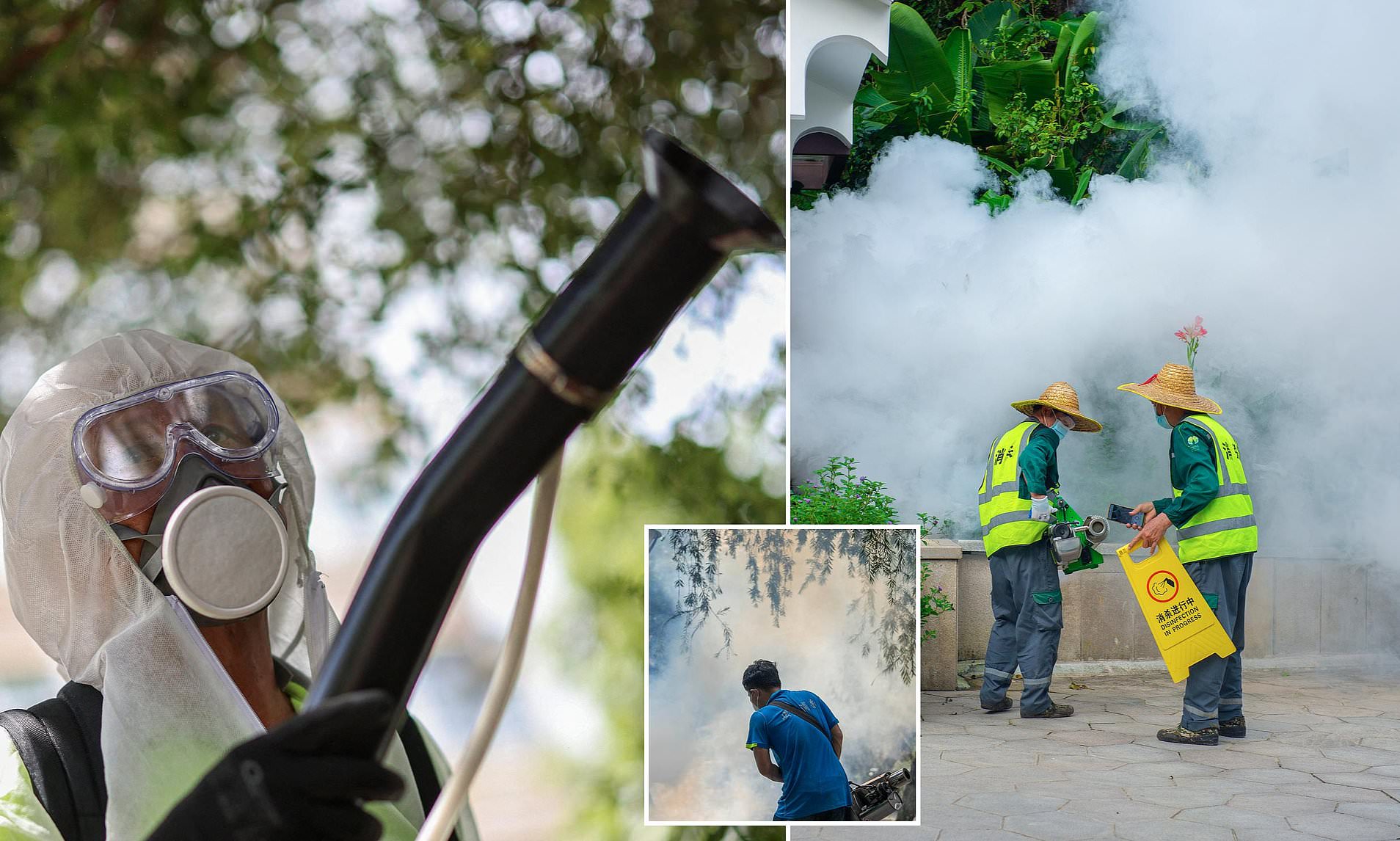
Efforts to control the mosquito population have also intensified. State workers are spraying disinfectant in city streets, residential areas, and construction sites, while drones are used to locate and eliminate breeding grounds. Residents are encouraged to empty any outdoor containers that may collect water, such as bottles or flower pots. Non-compliance can result in fines of up to $1,400 (10,000 Yuan) or even electricity disconnection.
Is the Virus Present in the United States?
Although chikungunya is not commonly found in the U.S., small numbers of cases are reported each year. As of August 5, the CDC reported 46 cases in the U.S. this year, all acquired by travelers returning from high-risk areas. No deaths have been reported.
However, the possibility of local transmission remains a concern. Experts suggest that with over 1.6 million people traveling between the U.S. and China annually, it only takes one infected mosquito bite from an infected traveler to spark an outbreak.
The U.S. has previously experienced limited local transmission of the virus, with cases detected in Florida and Texas in 2014 and 2015. Since 2019, no locally acquired cases have been reported, according to the CDC.
What Does the CDC Recommend?
The CDC has issued travel advisories for several countries, including China, and recommends that travelers take preventive measures such as wearing insect repellent, long-sleeved shirts, and pants. Staying in air-conditioned spaces is also advised.
Vaccination is another key recommendation. Two vaccines have been approved in the U.S. and are recommended for those traveling to high-risk areas. Dr. Messenger urged individuals to be vigilant: "People should be concerned about these diseases, wear topical repellents, wear long sleeves, and get vaccinated against them if they can."
Pregnant women are specifically advised to avoid high-risk areas due to the increased risk of complications from the virus.
Recognizing Symptoms and Seeking Treatment
Approximately 15 to 35 percent of people infected with chikungunya show no symptoms. The incubation period typically lasts three to seven days, after which a sudden fever over 102 degrees Fahrenheit (39 degrees Celsius) is common. Other symptoms include headache, nausea, rash, muscle aches, conjunctivitis, and severe joint pain, especially in the hands or feet.
In rare cases, the virus can lead to serious complications such as inflammation, irregular heartbeats, and organ failure. Symptoms usually last for seven to 10 days, but some individuals may experience lifelong joint pain.
If someone suspects they are infected, they should seek medical attention immediately. Diagnosis is typically based on patient history, symptoms, and blood tests.
Managing the Infection
There is currently no specific treatment for chikungunya. Doctors focus on managing symptoms through rest, hydration, and over-the-counter medications like acetaminophen. For persistent pain, steroids and physical therapy may be prescribed.
Vaccines are available and recommended for those traveling to areas with outbreaks or higher infection risks. Ongoing research aims to develop more effective treatments and preventive measures to combat the spread of the virus globally.