
The IT Bug and the Alleged Cover-Up
A major body responsible for overseeing courts in England and Wales has faced accusations of covering up an IT bug that caused critical evidence to be lost, overwritten, or become inaccessible. This issue was reportedly discovered after a malfunction in the case-management software used by the HM Courts & Tribunals Service (HMCTS), an agency under the Ministry of Justice (MoJ) that manages courts and tribunals across the UK.
The software, known as Judicial Case Manager, MyHMCTS, or CCD, is used by judges, lawyers, case workers, and members of the public to track cases and manage evidence. However, a flaw in the system led to significant problems, including incomplete evidence being used in court decisions. Sources within HMCTS revealed that this affected civil, family, and tribunal courts, where judges made rulings based on missing or corrupted data.
Instead of informing those involved, HMCTS management reportedly decided not to disclose the issue, claiming it would "cause more harm than good." This decision raised concerns about transparency and accountability, especially given the impact on real lives. The bug also resulted in data being obscured, making contact details, medical records, and other crucial evidence unavailable when needed in court proceedings.
The Social Security and Child Support (SSCS) Tribunal appears to have been the most affected by these issues. Despite this, HMCTS stated that its internal investigation found no evidence that "any case outcomes were affected as a result of these technical issues."
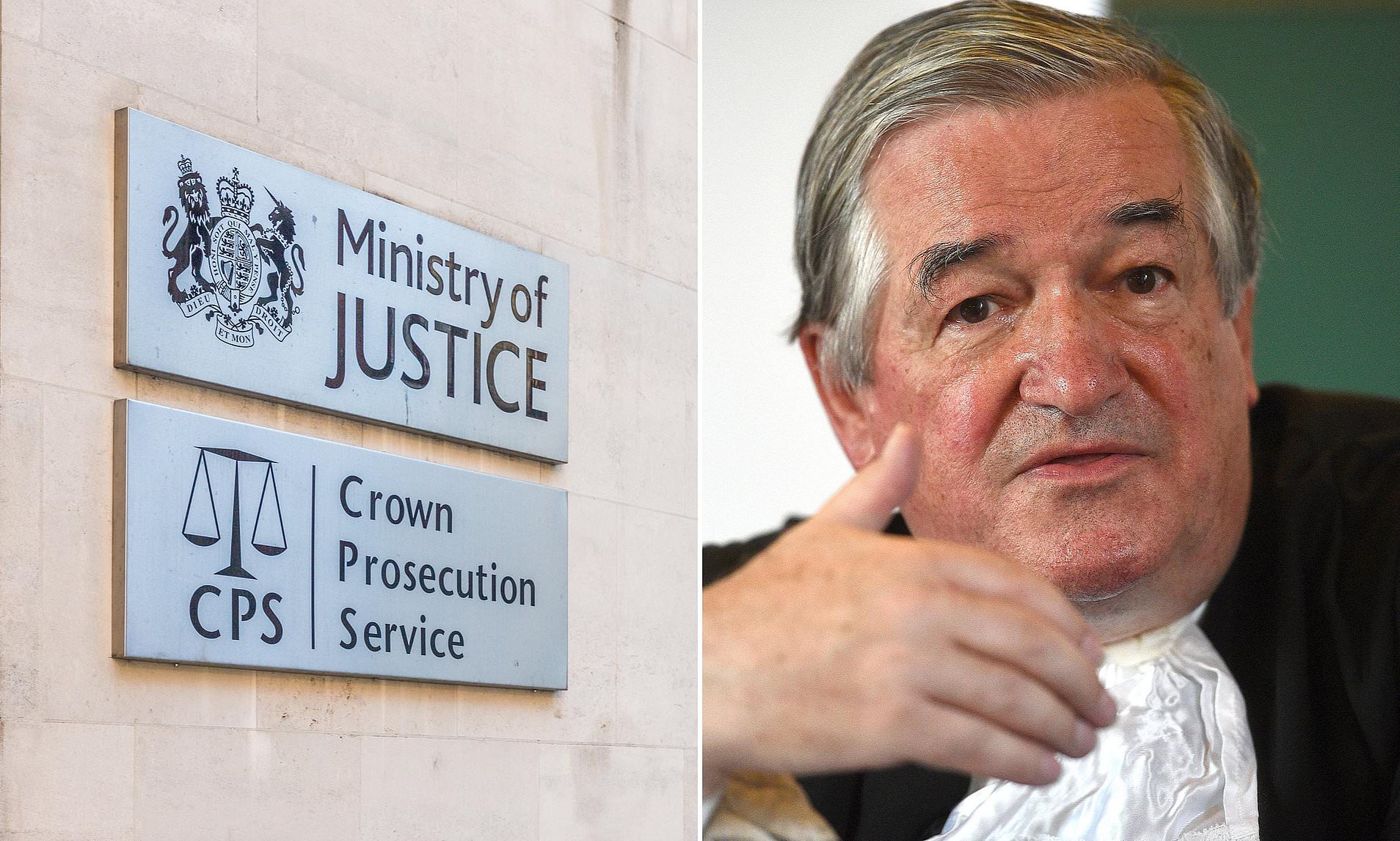
However, former High Court family division head Sir James Munby criticized the situation, stating that such errors could have life-altering consequences. He emphasized that hearings often determine the fate of people's lives, and an error could mean the difference between a child being removed from an unsafe environment or a vulnerable person missing out on benefits.
A Culture of Secrecy?
Several sources within HMCTS have drawn comparisons between the current situation and the Horizon Post Office scandal, citing a "culture of cover-ups." The risk associated with the bug was initially labeled as 'high,' but the initial manual investigation only reviewed a subset of the most recent three months' worth of cases heard by the SSCS Tribunal. Only 17% of cases identified as having potential issues were selected for further review, and the risk to all cases was deemed low.
However, leaked documents revealed that an HMCTS employee raised concerns, leading to a more thorough internal investigation. This later report, conducted by a senior IT professional from the Prison Service, was internally distributed in November 2024 and eventually leaked to the BBC.
The report highlighted "large scale" data breaches that should have been addressed immediately. It concluded that due to the lack of a comprehensive investigation, the full extent of data corruption remained unknown, including whether case outcomes had been impacted.
Ongoing Concerns
The report also noted that data loss incidents continue to be reported against the IT systems used by civil, family, and tribunal courts. These recurring issues raise serious questions about the reliability and oversight of the technology that supports the justice system.
In response to the allegations, an HMCTS spokesperson told the BBC that "parties and judges involved in these cases always had access to the documents they needed." However, critics argue that this statement does not address the broader systemic failures and the potential long-term consequences of the IT issues.
As the debate continues, the incident underscores the need for greater transparency, accountability, and proactive measures to prevent similar situations in the future.