
The Psychology Behind Your Pizza Toppings
When it comes to pizza, the choices we make in toppings can be more than just a matter of taste. According to research, what we choose to put on our pizza might actually reflect deeper aspects of our personality. From olives to ham, and even the controversial pineapple, each topping could reveal something about who we are.
Dr. Alan Hirsch, director of the Smell & Taste Treatment and Research Foundation in Chicago, has explored how food preferences can indicate personality traits. He suggests that when we order pizza, we often stick with the same choices, not necessarily for nutritional reasons, but because they align with our character.
In social situations, such as a date, these choices can offer insight into another person’s personality. Dr. Hirsch's experiments involved 1,000 American adults who completed personality tests while noting their pizza-eating habits. The results revealed intriguing patterns that may influence how people interact with one another.
Those who prefer traditional single meat toppings like pepperoni or ham tend to be irritable and argumentative. They may also be resentful of others and prone to procrastination. On the other hand, individuals who go for a meat feast, featuring multiple meat options, are often dramatic, seductive extroverts who enjoy being the center of attention.
Vegetable lovers, meanwhile, are typically empathetic, easygoing, and well-adjusted, making them ideal partners and parents. Those who favor spicy options like jalapeño chillis are often risk-takers who enjoy the adrenaline rush that comes with it. People who choose high-protein toppings such as chicken and seafood are usually more sociable and outgoing.
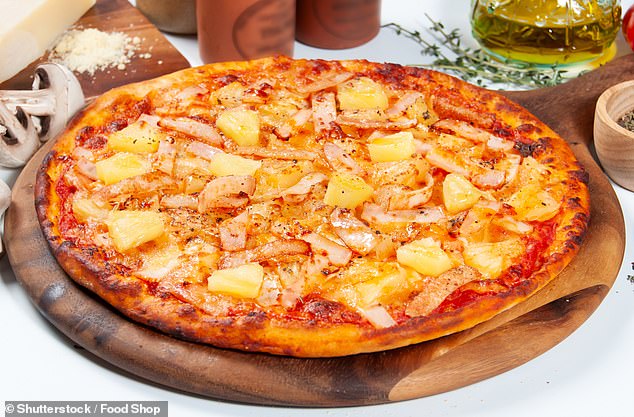
Non-traditional toppings like pineapple and onion, however, may suggest aggression and a strong drive for achievement. These individuals are less likely to tolerate foolishness.
The Perfect Ratio of Toppings
Mathematician Dr. Eugenia Cheng from the University of Sheffield claims to have developed the first formula for the 'perfectly proportioned' pizza. She explains that smaller pizzas provide more topping per bite, while larger pizzas offer a more even spread. Using constants for dough and toppings, she derived a mathematical formula to determine the ratio of topping to base in an average bite.
Despite these insights, Dr. Hirsch emphasizes that his study found a correlation rather than causation between personality and chosen toppings. It remains unclear whether personality influences our pizza choices or if our choices shape our personality.
Popular Toppings Across the World
Fireaway, a British pizza chain, shared insights into customer preferences based on data from over 160 stores and delivery platforms. The top 10 toppings include pepperoni, chicken, jalapeño chilli, red onion, mushrooms, vegan cheese, pineapple, sweetcorn, beef meatballs, and olives.
In the UK, mushroom is the most-liked topping, according to YouGov research from 2017. Over 65% of British adults preferred mushrooms on their ideal pizza, followed by onions and ham. Pineapple, while controversial, was liked by 53% of respondents, with 41% disliking it and 6% unsure.
Pineapple on pizza sparked a global debate in 2017 when the President of Iceland expressed a desire to ban it, though he later clarified it was a personal opinion.
The Impact of Overeating on Pizza
A study by University of Bath experts revealed that our bodies can handle occasional overindulgence in pizza. The 2020 research involved adult males eating pizza beyond their usual fullness to test immediate effects on the body. Participants consumed almost twice as much pizza, doubling their calorie intake, yet maintained normal nutrient levels in the bloodstream.
Lead researcher Aaron Hengist noted that while long-term overeating poses risks, the body can cope surprisingly well with a sudden calorie surplus. Healthy individuals can eat significantly more without immediate negative consequences.
This suggests that occasional indulgence in pizza does not necessarily lead to metabolic issues, though prolonged overeating remains a concern.