
The Vision of a Statesman and the Definition of an Elite
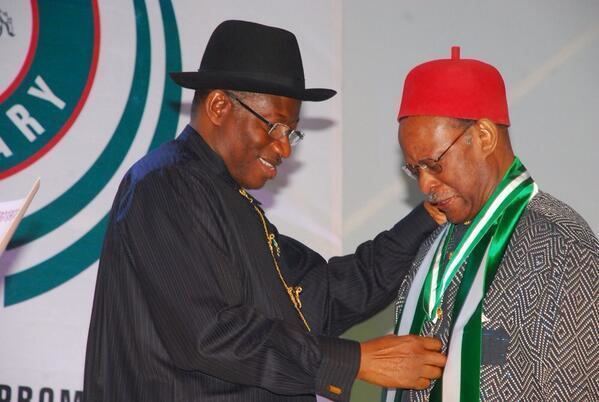
Former Commonwealth Secretary-General, Chief Emeka Anyaoku, is 92 years old, yet he exudes a vitality that belies his age. His presence on Arise TV recently was nothing short of captivating. The interview, which flew by in what felt like an hour, offered a rare glimpse into a bygone era of international diplomacy—one that many of us are unfamiliar with but would have loved to explore further. Anyaoku, who began his diplomatic career in the early 1960s and retired at the turn of the century, spoke with a clarity and humor that made the conversation both engaging and thought-provoking.
What stood out most was his final comment, which has continued to echo in my mind. It led me to reflect on two critical questions: Who is a statesman? And who is an elite? These are not just academic inquiries; they are deeply relevant in today’s Nigeria.
The Misconception of Elite in Nigeria
In Nigeria, the term "elite" is often misapplied. Many people equate being an elite with having wealth. If someone appears affluent, they are automatically labeled as part of the elite, regardless of how they acquired their wealth or what they do with it. This perception is problematic because it overlooks the true essence of being an elite. In reality, an elite should be defined by contributions to society, not merely by financial status.
The economic elite in Nigeria are often those who accumulate wealth through questionable means, including corruption and government patronage. They do little to improve society, create jobs, or invest in causes that benefit the broader population. Instead, they focus on maintaining their wealth and power, often at the expense of the majority. Their lifestyle is marked by ostentation, but their impact on the nation is minimal.
In contrast, in countries like the UK, the concept of elite is rooted in service and contribution. Wealthy individuals, even if they are billionaires, are not automatically considered elites unless they have made significant contributions to society. This distinction highlights a fundamental difference in how the term is perceived across cultures.
The Role of a Statesman
The question of who a statesman is is equally important. A statesman is not simply someone who holds a high position or enjoys political power. True statesmen are leaders who prioritize the common good over personal or partisan interests. They are visionaries who guide their nations toward progress, driven by integrity, wisdom, and a deep sense of responsibility.
In Nigeria, the label of "statesman" is often misused. Some individuals who claim to be statesmen have, at various points in their careers, promoted sectional or tribal interests, sometimes even demonizing other ethnic groups or religions. This contradiction is baffling. How can someone who benefits from the support of a particular group later turn against them? Such behavior undermines the very idea of leadership and leaves many questioning the authenticity of these so-called statesmen.
Chief Emeka Anyaoku, however, embodies the qualities of a true statesman. His dream for Nigeria is one of peace, development, and unity. In his recent interview, he expressed a desire for a constitution that addresses the country's challenges—such as insecurity, poverty, and the erosion of national unity. He believes that a better constitution is not only possible but necessary for the nation’s future.
The Patriots and the Path Forward
Anyaoku is part of a group known as The Patriots, a collective of Nigerians committed to building a better nation. This group has long advocated for a new constitution, which they refer to as the People’s Constitution. Their efforts reflect the values of true elite and statesmen: a commitment to the greater good, a focus on long-term vision, and a willingness to challenge the status quo.
While the current political climate shows some movement toward constitutional reform, the work of The Patriots remains vital. Their voices continue to provide guidance, offer insights, and serve as a moral compass for the nation. In a world where many leaders are driven by self-interest, Anyaoku’s unwavering dedication to his country is a rare and inspiring example.
As he continues his journey, his dream for a more united and prosperous Nigeria serves as a reminder of what is possible when leadership is guided by principle, vision, and a deep love for the nation.