
Understanding the Risks of Water Sports and How to Stay Safe
Water sports, such as water skiing, wakeboarding, and surfing, are popular during the summer months due to their thrilling nature. However, these activities come with significant risks that should not be overlooked. According to the Maritime Police Agency and the Ministry of Maritime Affairs and Fisheries' '2024 maritime accident statistics', approximately 17.9% of all maritime accidents involved water leisure equipment. Additionally, a study by the Korea Consumer Agency found that water-related injuries were most common in August, with over two-thirds of incidents linked to water skiing and surfing.
These statistics highlight the importance of being aware of the potential dangers associated with water sports. The physical demands of these activities often require intense movement, balance, and quick reflexes, which can place considerable strain on the body. Sudden changes in direction, high speeds, and collisions increase the likelihood of injuries such as muscle tears, ligament damage, dislocations, and even ruptures.
Common Injuries from Water Sports
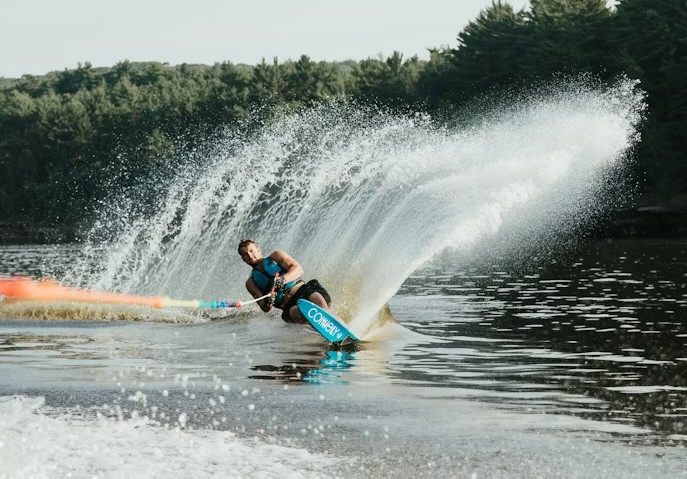
Water skiing and wakeboarding involve sliding across the surface of the water while holding onto a rope connected to a motorboat. While this provides an exhilarating experience, it also exposes participants to strong impacts and pressure on the body. Maintaining balance is crucial, which can lead to muscle and joint strain. For instance, the shoulder and arm muscles are heavily engaged, increasing the risk of rotator cuff damage. When the rotator cuff is injured, individuals may experience stiffness, pain in the front of the shoulder, and discomfort when moving the arm.
Surfing, which involves lying face down on a board and paddling through waves, also puts significant stress on the shoulders. Prolonged use can lead to fatigue and inflammation, potentially resulting in a rotator cuff rupture if not addressed promptly. Similarly, knee injuries are common in water sports due to the instability of the surface. Torsion of the knee joint can cause damage to the cruciate ligaments or meniscus cartilage, leading to pain, swelling, and difficulty moving the leg.
Preventive Measures for Safer Participation
To reduce the risk of injury, it is essential to understand the specific characteristics of each water sport and prepare accordingly. Proper posture and technique play a vital role in minimizing strain on the body. For example, when participating in water skiing or wakeboarding, it is important to slightly bend the knees and maintain a horseback riding position. This helps distribute the impact more evenly and reduces the burden on the arms and shoulders.
Additionally, warming up before engaging in any activity is crucial. Stretching and relaxing major joints and muscles can improve flexibility and reduce the risk of injury. It is also recommended to wear appropriate clothing and equipment to protect against potential hazards.
When performing surfing, focusing on core strength and lower body control can help prevent back strain. Choosing waves that match one's skill level and maintaining a safe distance from other surfers can further reduce the chances of collision.
Responding to Injuries
If an injury occurs, immediate first aid is necessary. Resting the affected area and applying an ice pack for 15-20 minutes can help alleviate pain and swelling. Light compression using a bandage or wrap can also provide support and reduce inflammation. However, if the pain persists or worsens, it is advisable to seek medical attention. Delaying treatment can lead to chronic pain or long-term dysfunction.
Experts emphasize the importance of early intervention. If swelling or heat is present, a cold compress should be used to manage symptoms effectively. Prompt care can make a significant difference in recovery time and overall outcomes.
By understanding the risks and taking necessary precautions, individuals can enjoy water sports safely and minimize the chances of injury. Whether it’s a day at the beach or a weekend on the lake, being informed and prepared is key to a fun and safe experience.