
The Controversy Over EU Funds in Poland's National Recovery Plan
A recent development has sparked significant debate in Poland, centered around the allocation of European Union (EU) funds under the National Recovery Plan (NRP). A map published on the NRP website revealed which companies had received subsidies from the EU, leading to widespread public scrutiny and online discussions. This revelation quickly escalated into a political and media storm, with many questioning how these funds were being utilized.
The controversy began when users on social media platforms, particularly X, started highlighting instances where EU grants appeared to have been misused. Allegations included the purchase of company yachts, solariums, furniture, and even coffee machines by businesses that had received funding. These claims raised concerns about the transparency and accountability of the NRP process.
Poland was eligible for nearly €60 billion in funding from the EU’s Reconstruction and Resilience Fund, aimed at helping member states recover from the economic impact of the COVID-19 pandemic. To access these funds, each country was required to submit a detailed National Recovery Plan outlining how the money would be spent to support post-pandemic recovery efforts.
However, under the previous Law and Justice (PiS) government, Poland faced restrictions on accessing these funds due to disputes over rule of law. The unblocking of these funds became a central promise of Donald Tusk’s Civic Platform party during the 2023 parliamentary elections. Despite this, the issue of fund allocation remains under intense scrutiny.
Allocations for the Hospitality Sector
A significant portion of the NRP funds was allocated to the hospitality sector, which suffered severe losses during the pandemic. Approximately €280 million was set aside for this industry. While a dedicated website once allowed businesses to submit their requests, it is no longer accessible. Nevertheless, media reports have surfaced detailing how some of the funds were allegedly used for non-essential items, such as yachts, saunas, and solariums.
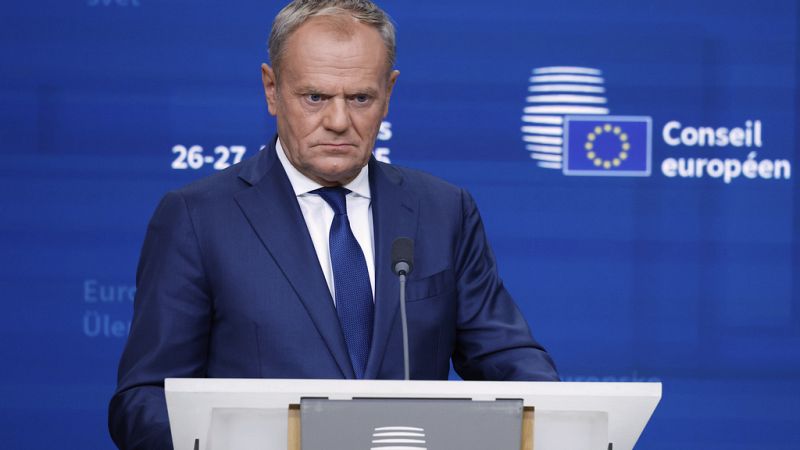
Prime Minister Donald Tusk addressed the issue during a speech on Friday, emphasizing his commitment to ensuring that NRP funds are not wasted. “I will not accept any waste of NRP funds,” he stated, signaling a strong stance against misuse.
Political Reactions
The controversy has drawn reactions from various political figures across the spectrum. Among them was Karol Nawrocki, the newly inaugurated president of Poland. During a speech, he criticized the allocation of NRP funds, stating, “I do not want funds on behalf of 10.5 million Poles spent on saunas, solariums, and coffee machines. I want funding for Polish families.”
This sentiment reflects growing public concern over the perceived mismanagement of EU funds. In response, the Regional Public Prosecutor's Office in Warsaw has initiated preliminary investigations into the alleged irregularities in grant distribution. Additionally, Katarzyna Duber-Stachurska, the head of the Polish Agency for Enterprise Development, was dismissed following questions about the use of EU funds.
European Commission's Response
The European Commission has also weighed in on the matter. Spokesman Maciej Berestecki emphasized that Poland must take clarifying actions regarding the distribution of NRP grants. He noted that the Commission will assess the projects' compliance with the NRP criteria when Poland submits its payment request in November.
According to the Commission, it is the responsibility of member states to protect the financial interests of the EU. If Polish authorities fail to address the issues appropriately, the European Public Prosecutor's Office and OLAF (the Commission’s anti-fraud office) may intervene, particularly in cases involving fraud.
This ongoing situation highlights the importance of transparency and accountability in the use of EU funds, especially in the context of post-pandemic recovery. As the investigation unfolds, the public and political leaders alike are watching closely to ensure that these resources are used effectively and responsibly.