
A Thrilling Start to the World Test Championship Cycle
The Anderson-Tendulkar Trophy match between England and India was a thrilling 2-2 draw that marked an exciting beginning to the new World Test Championship cycle. This contest was nothing short of epic, with each of the five Tests going into the final day, and four of them even reaching the final session. The series showcased some of the finest individual and collective performances in the five-day format in recent years.
The scoreline defied expectations set by former cricketers and pundits before the series. Many had anticipated an easy win, if not a clean sweep, for England. However, the outcome proved otherwise. Despite England's home advantage, India's pre-series struggles made them appear as vulnerable targets, and there were valid reasons for this perception.
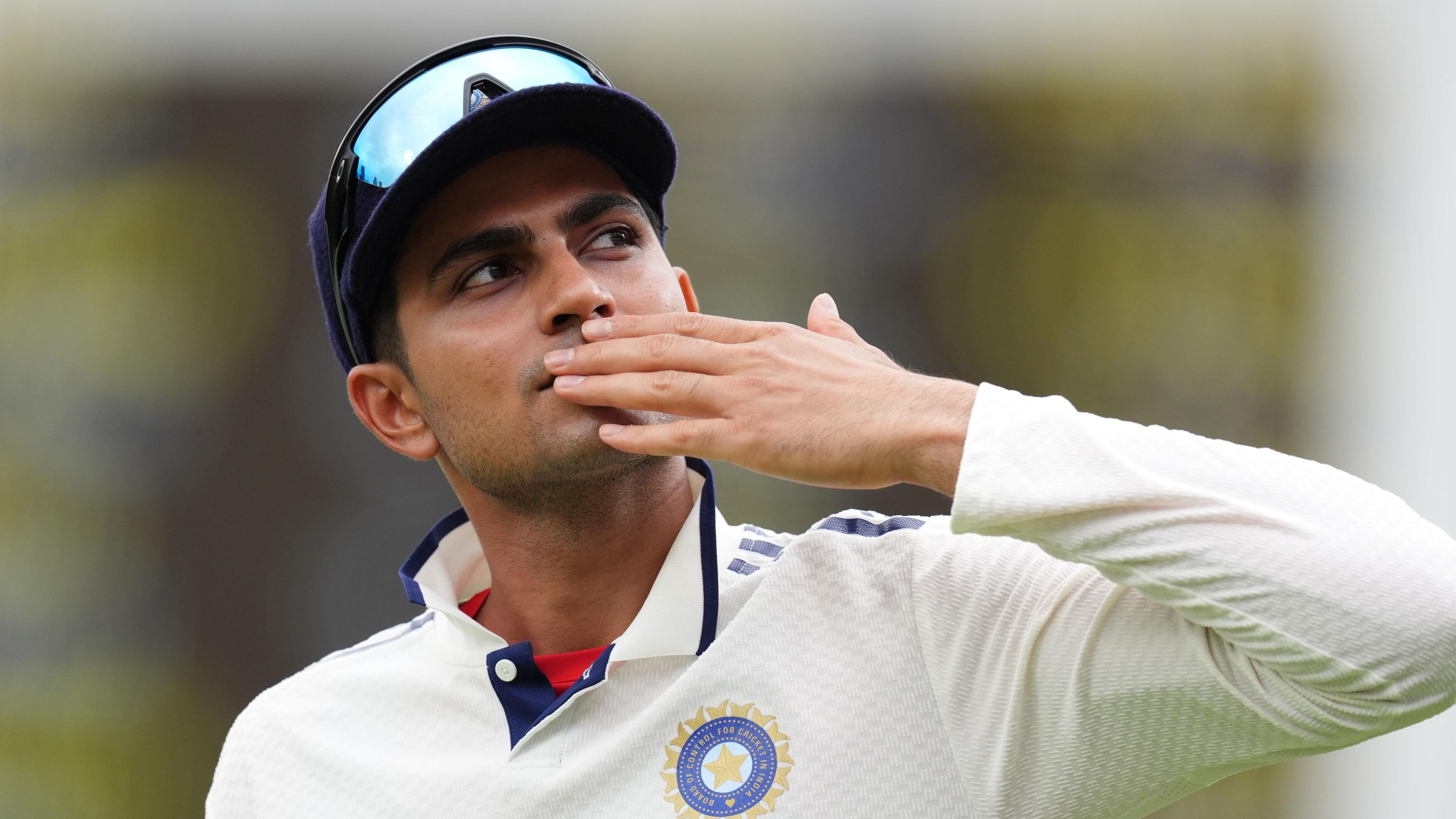
India had recently suffered a 0-3 whitewash at home by New Zealand and a 3-1 defeat by Australia in their previous series. These results left the team looking shaky. A series of sudden retirements and fitness issues further weakened India's lineup, as they lost four key players: R Ashwin, Rohit Sharma, Virat Kohli, and Mohammed Shami. Their absence placed immense pressure on young Shubman Gill, who was leading the side for the first time in his captaincy debut.
While India's squad possessed undeniable talent, concerns about their inexperience, especially in batting under challenging conditions, were evident. KL Rahul, Ravindra Jadeja, and Rishabh Pant were seasoned campaigners in England, but players like Yashasvi Jaiswal, Sai Sudarshan, Karun Nair, Washington Sundar, and Abhimanyu Easwaran had never played at this level there before. Gill's modest overseas batting record fueled doubts about his suitability for captaincy, and worries over Jasprit Bumrah's fitness added to the uncertainty.
Losing the first Test at Headingley from a winning position, as England chased 373 in the fourth innings, confirmed many of these doubts. However, India quickly bounced back with a resounding 336-run victory in the next Test at Edgbaston. This turnaround was not due to luck but rather skill and relentless determination, which became hallmarks of India's performance for the rest of the series.
The three subsequent Tests were fiercely contested, with both teams raising their intensity and skill levels, matching each other blow-for-blow. This led to frequent heated clashes but also unforgettable acts of heroism, as players from both sides battled fatigue and injury to keep their teams in the fight.
Several statistical highlights underscored India's resilience throughout the series. Three batsmen—Gill, Rahul, and Jadeja—scored over 500 runs in the series, while England had only one, Joe Root. India also recorded 12 centuries compared to England's nine. Mohammed Siraj was the highest wicket-taker with 23, and Akash Deep was the only bowler to take 10 wickets in a match.
Gill and Siraj emerged as the pillars of India's extraordinary performance. Gill, in Bradmanesque form, scored 754 runs, with 430 of them coming in a single Test. He narrowly missed breaking Sunil Gavaskar's record for the highest series aggregate and was second to Don Bradman in terms of the most runs made in a series by a captain. Being mentioned alongside Bradman and Gavaskar speaks volumes about Gill's achievement and potential. His consistent scoring earned the respect of his teammates, and after a hesitant start, he gained confidence, showing excellent temperament and tactical acumen in tough situations.
Siraj, who had been overshadowed by Bumrah and Shami since his 2021 debut, made a spectacular emergence, entering cricket folklore. His feisty and indefatigable bowling, combined with a lion's heart, inspired other pacers to perform beyond their limits. Although his figures may not have been earth-shattering, his impact was undeniable. In India's two victories, he was the decisive force. At Edgbaston, his six wickets in the first innings helped swing the match in India's favor, and at the Oval, his nine wickets turned the match on its head.
India's ability to hold their nerve for 25 days under immense pressure, driven by willpower, ambition, and skill, culminated in a thrilling 56-minute comeback at the Oval to win and level the series. This remarkable performance marked the Indian team's transition from apprehension and misgivings to a team filled with promise, ambition, and excellence. The future looks bright for this young Indian side.