
Expansion of GM and Hyundai's Partnership in Electric Vehicle Development
General Motors (GM) and Hyundai have taken a significant step forward in their collaboration by officially expanding their partnership in the development of new vehicles. This joint effort will result in the creation of five different models, with four of them targeted for the Central and South American markets. One of these vehicles, however, is expected to be available in North America. The primary focus of this collaboration is on electric vehicles, marking a major shift in both companies’ strategies as they navigate the evolving automotive landscape.
A New Electric Van for the U.S. Market
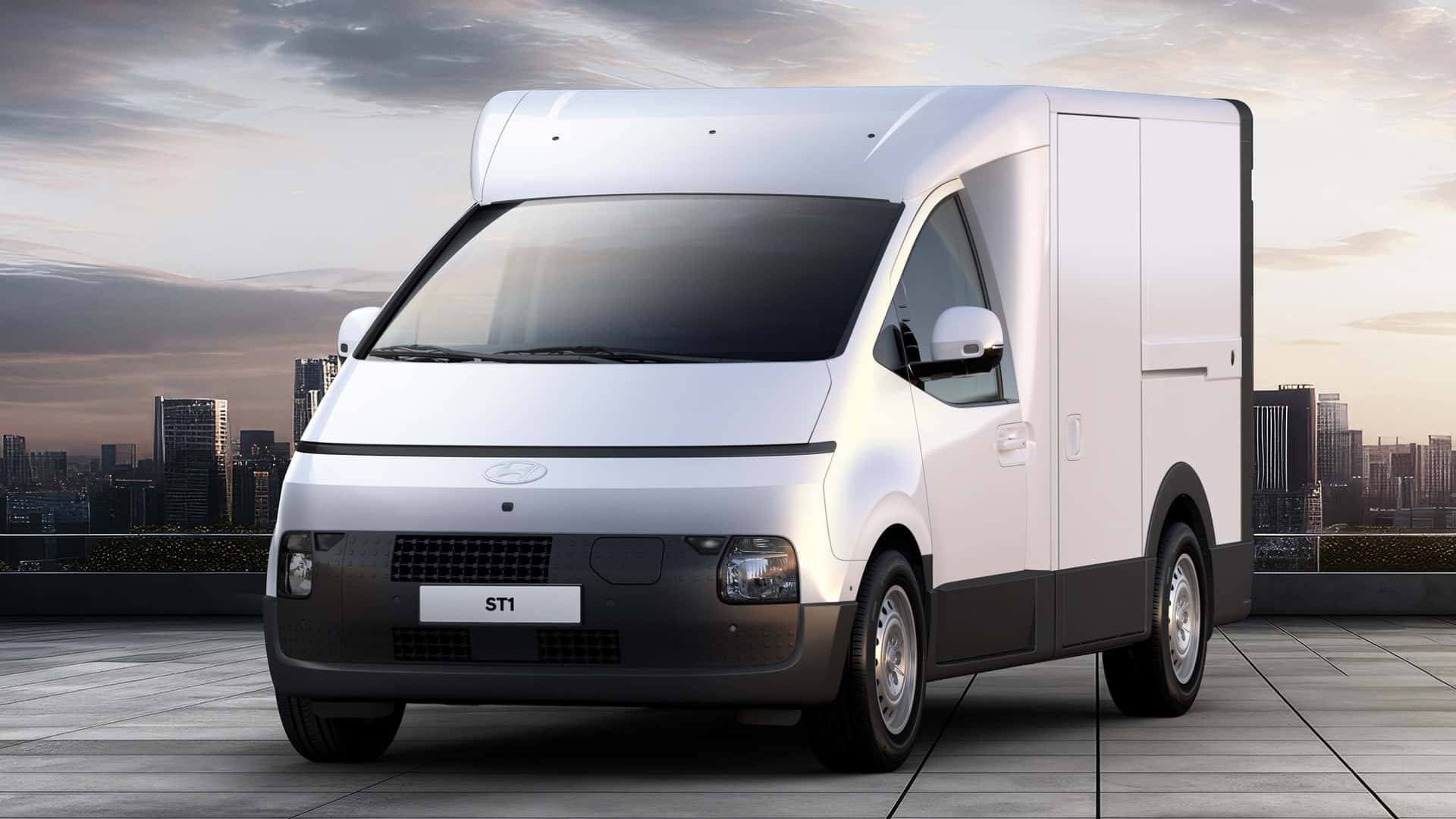
The first vehicle to emerge from this partnership is anticipated to be an electric van designed for the U.S. market. It will sit below Chevrolet’s larger BrightDrop vans, offering a more compact alternative. This new model is likely based on the upcoming fully electric version of the Hyundai Staria minivan. The Staria will also include a two-door, single-cab commercial variant called the ST1, which features a boxy rear end. This shared platform suggests that the new GM-Hyundai electric van will utilize similar underpinnings, allowing for cost-effective production and streamlined development.
According to Shilpan Amin, GM’s senior vice president and chief procurement and supply chain officer, each company will sell the vehicles under their own brands. However, both GM and Hyundai will contribute their engineering, manufacturing, and innovative expertise to ensure the quality and performance of the final product. This approach allows both companies to maintain their brand identities while benefiting from shared resources and technologies.
Production Goals and Timeline
The partnership has set an ambitious annual production target of 800,000 units. While the exact timeline for the launch of the new electric van remains undisclosed, GM has confirmed that the first of the five jointly developed vehicles will debut in 2028. This gives both companies time to refine the design, testing, and production processes before the official release.
Strategic Motivations Behind the Collaboration
Beyond reducing costs and accelerating the development of new models, the partnership also aims to explore future propulsion technologies, including hydrogen fuel cells. Although GM has not previously invested heavily in fuel cell technology, Hyundai has been actively developing fuel cell electric vehicles (FCEVs), such as the Nexo. This collaboration could open the door for GM to explore hydrogen-based solutions, especially given the current political climate in the U.S., where some administrations have shown resistance to traditional electric vehicles due to concerns over battery resource usage.
Potential for a Shared Pickup Truck
In addition to the electric van, there are rumors that Hyundai is working on its own version of a General Motors electric pickup truck. However, it is unlikely to be released in the U.S. market, as it would compete directly with the GM model on which it is based. According to a November 2024 report by Korean business magazine Pulse, this pickup is expected to be sold in Latin American countries. This aligns with the broader strategy of the GM-Hyundai partnership, which includes four vehicles targeted for the region.
Future Implications
As both companies continue to expand their electric vehicle offerings, the collaboration between GM and Hyundai is expected to play a crucial role in shaping the future of the automotive industry. With shared platforms, combined resources, and a focus on innovation, the partnership represents a strategic move to remain competitive in an increasingly electrified market. Whether through electric vans, trucks, or even fuel cell technology, the joint efforts of GM and Hyundai are poised to make a significant impact on the global automotive landscape.