
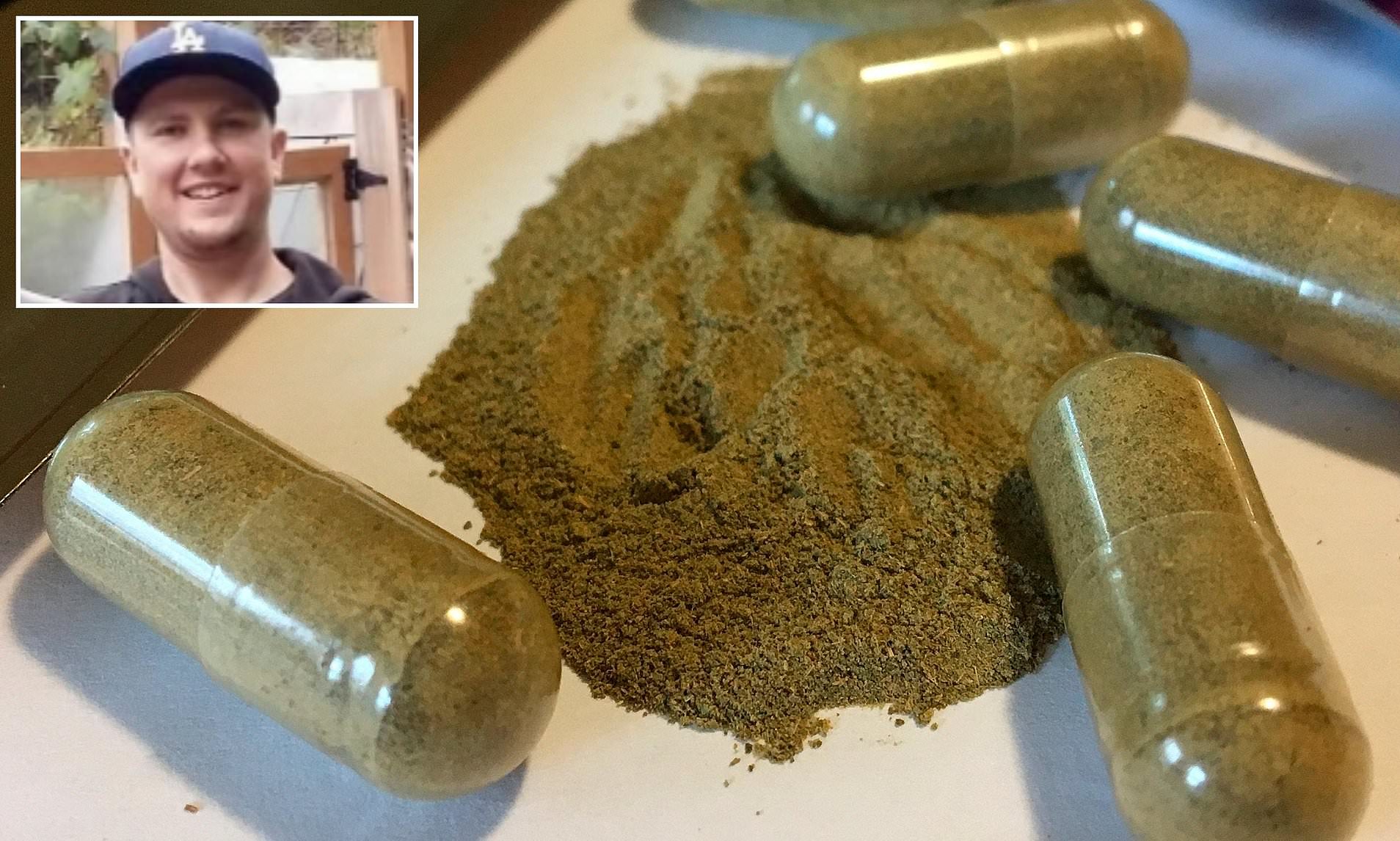
The Growing Concern Over Kratom’s Health Risks
Kratom, a plant native to Southeast Asia, has gained significant popularity in the United States as a natural supplement used for managing pain, anxiety, and opioid withdrawal. However, its increasing use has raised serious concerns among health professionals and regulatory agencies due to the potential dangers associated with it.
Kratom is derived from the leaves of the Mitragyna speciosa tree and contains various alkaloids, including 7-hydroxymitragynine (7-OH), which is believed to be responsible for many of its effects. While some people use kratom as an alternative to prescription medications, others take it to cope with stress or anxiety. Despite its growing appeal, the supplement has been linked to a range of severe side effects, including seizures, hallucinations, and addiction.
The U.S. Food and Drug Administration (FDA) has expressed deep concern over the safety of kratom products. In recent years, the agency has urged the Drug Enforcement Administration (DEA) to classify 7-OH as an illegal substance due to its high potential for abuse and the risk of serious health consequences. The FDA has also emphasized that kratom is not approved for any medical use in the United States.
Cases of Severe Health Effects
Several tragic cases have highlighted the dangers of kratom. In April 2022, Jordan McKibban, a 37-year-old man, collapsed and died after consuming kratom mixed with lemonade. A coroner's report attributed his death to the toxic effects of mitragynine, the primary alkaloid in kratom. His mother, Pam Mauldin, is now pursuing a wrongful death lawsuit, citing a growing number of deaths where kratom was identified as the cause.
Similarly, in 2021, Matthew Torres, a 39-year-old carpenter from Oregon, died from severe seizures after taking kratom. His mother, Mary Torres, filed a lawsuit against the smoke shop that sold him the product, seeking $10 million in damages. According to the lawsuit, Torres had been using kratom to manage his pain and muscular ailments, believing it to be a safer alternative to opioids.
Unregulated Market and Lack of Safety Information
One of the biggest challenges with kratom is the lack of regulation and clear labeling. Many products on the market contain varying concentrations of active ingredients, making it difficult for users to know exactly what they are consuming. This lack of transparency increases the risk of overdose and other adverse effects.
Studies have shown that some kratom sellers may add higher amounts of 7-OH than naturally present in the plant, further amplifying the risks. The Mayo Clinic has warned that this practice could lead to more severe health complications, including addiction and toxicity.
Skin Discoloration and Other Side Effects
In addition to the more well-known risks, kratom has been associated with unusual side effects such as blue skin discoloration. Doctors have reported cases where individuals developed a bluish tint to their skin, particularly in areas exposed to sunlight. This phenomenon, while rare, has been linked to changes in melanin production caused by the supplement.
Dr. Heather Woolery-Lloyd, a dermatologist at the University of Miami, explained that the exact mechanism behind this discoloration is not fully understood. However, it is believed to be related to the way kratom affects dopamine levels, which can influence melanin production. Some researchers suggest that impurities in kratom products or deposits around blood vessels may also contribute to this effect.
The Opioid Crisis and Kratom Use
Kratom has become a popular alternative for people struggling with opioid addiction. With millions of Americans facing opioid-related issues, some turn to kratom in hopes of finding a safer option. However, experts warn that it is not without risks. While drugs like methadone and naltrexone are commonly used to treat addiction, they come with their own set of side effects, leading some to seek alternatives.
Despite these concerns, the use of kratom continues to rise. Data from the United States National Poison Data System shows a sharp increase in kratom-related poisonings over the years, from just 11 cases in 2011 to 357 cases in the first seven months of 2018 alone. A 2021 study estimated that 1.7 million Americans were using kratom, often to help manage opioid dependence.
Regulatory Challenges and Public Response
In 2017, the DEA proposed banning kratom and classifying it as a Schedule I drug, similar to heroin and LSD. However, the plan was eventually abandoned due to widespread public opposition. Advocates argue that kratom can be beneficial for those trying to quit opioids, but critics emphasize the need for stricter regulations and better consumer education.
As the debate over kratom continues, health officials urge caution and recommend that individuals consult with healthcare professionals before using the supplement. With the growing number of reported cases and ongoing research, the long-term effects of kratom remain uncertain, highlighting the need for continued monitoring and regulation.