
Strengthening Industrial Ties: India and South Korea's Strategic Steel Collaboration
India’s top steel policymaker has emphasized the need for enhanced industrial cooperation with South Korea, suggesting a strategic alliance that combines Korean technological expertise with India’s growing manufacturing capabilities. This partnership aims to bolster both nations' positions in the global steel value chain.
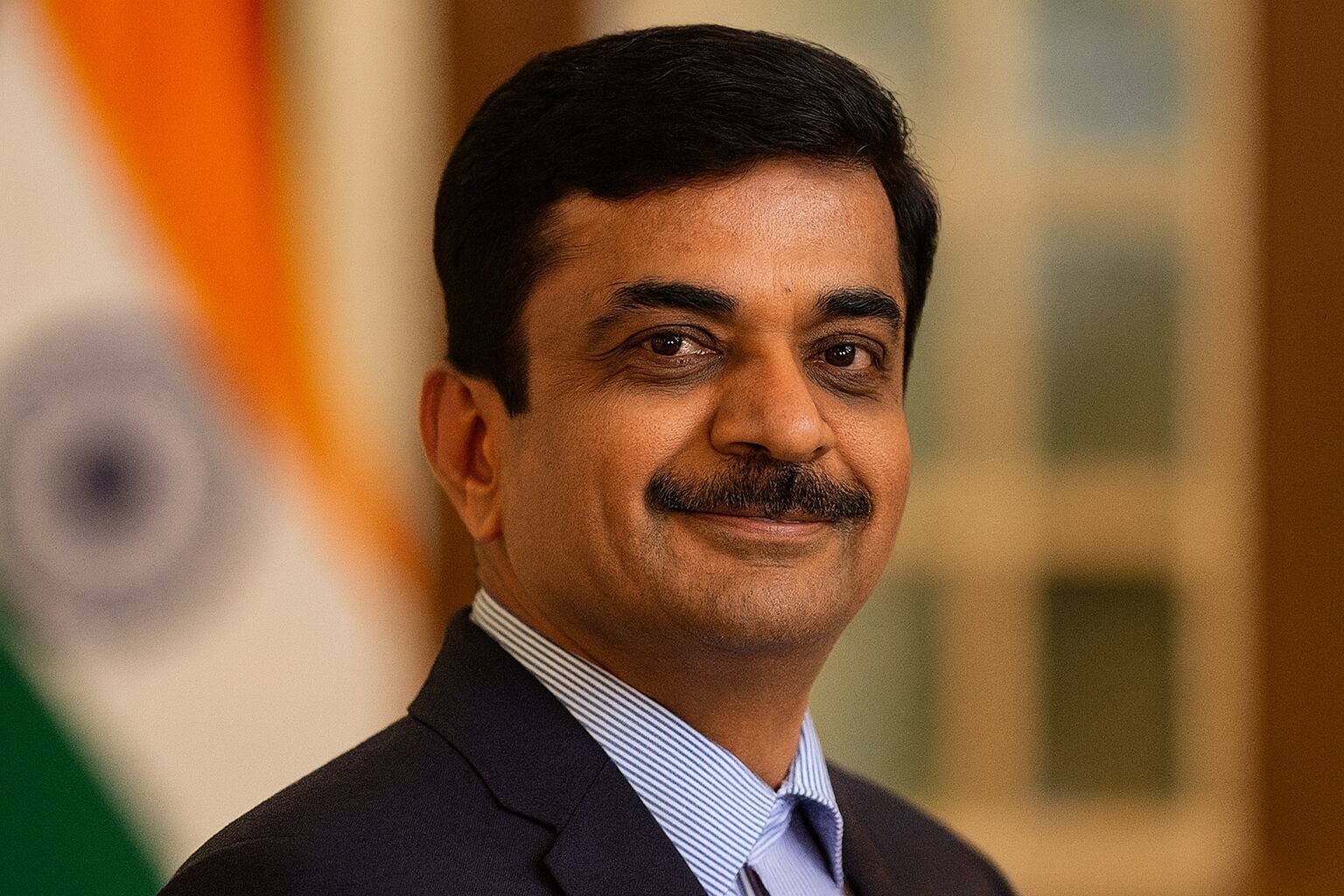
In a recent interview, Sandeep Poundrik, India’s Steel Secretary, highlighted South Korean companies such as POSCO and Hyundai as potential partners. His comments come amid efforts by Indo-Pacific countries to restructure supply chains in response to increasing U.S.–China tensions. “Hyundai’s success in the Indian automotive sector and its recent public listing are strong examples of meaningful bilateral cooperation,” said Poundrik. He outlined opportunities for collaboration across the value chain, from research and development to technology transfer and manufacturing.
India’s vision is to become a “self-reliant global factory” without emulating China’s past model. Instead, the focus is on creating a distinct industrial model based on quality, innovation, and scale. “India does not seek to be the next China,” he stated, emphasizing a shift from low-cost labor-driven exports toward value-added, knowledge-intensive production.
India has already emerged as the world’s second-largest crude steel producer, doubling annual capacity over the past decade from 109 million tonnes to 200 million. The National Steel Policy under the Modi administration aims to reach 300 million tonnes by 2030. The steel sector now contributes 17% of India’s GDP and supports 2.5 million jobs, directly and indirectly.
This growth is driven by Prime Minister Narendra Modi’s flagship Make in India initiative, which focuses on scaling volume and value in domestic manufacturing. A key component of this strategy is the Production Linked Incentive (PLI) scheme, which encourages the production of specialty steels previously imported. So far, the scheme has attracted investment commitments of ₹44,000 crore ($5.13 billion), with ₹21,000 crore ($2.45 billion) already deployed.
India benefits from several fundamental strengths, including a vast and growing domestic market, abundant iron ore reserves, and a skilled labor force. Demand for high-performance steel is rising across strategic sectors like electric vehicles, consumer electronics, defense, and infrastructure. However, meeting these demands will require access to advanced steelmaking technologies—an area where Korean firms are global leaders.
POSCO and Hyundai are well-positioned to expand their local operations, including through the establishment of new specialty steel facilities tailored to India’s evolving industrial needs. Despite these opportunities, foreign investors remain cautious due to concerns about India’s regulatory environment, often criticized for bureaucratic inertia and slow permitting processes.
Poundrik noted that the government is addressing these concerns through a dedicated task force aimed at accelerating statutory and environmental approvals. The Ministry of Steel also hosts an annual Bharat Steel Conference to encourage dialogue between federal and state governments and eliminate administrative bottlenecks.
India’s Industrial Strategy and Global Vision
India’s industrial strategy differs significantly from China’s, focusing on leveraging a large and growing domestic market, skilled engineers, strong institutions, and abundant natural resources. Two Indian steelmakers are already among the world’s top ten.
The steel sector plays a crucial role in India’s Amrit Kaal 2047 vision, aiming to make the country a developed economy by 2047. The sector will support high-quality infrastructure, value-added manufacturing, and strategic sectors like defense and aerospace. India is investing in high-performance steels used in defense, automotive, electrical, and corrosion-resistant applications, with projects like Chandrayaan, INS Vikrant, and the Chenab Bridge using Indian steel.
Korean steelmakers have significant opportunities in India, particularly in the expanding automotive and consumer electronics sectors. POSCO and Hyundai are well-suited to establish localized production tailored to these industries. Partnerships across the value chain—from R&D to technology transfer and manufacturing—can strengthen the domestic ecosystem and enhance both nations’ global standing.
Improving the Investment Environment
To improve the investment environment, the Government of India has adopted a mission-mode approach to streamline approvals and reduce bureaucratic friction. A dedicated task force handles statutory and environmental clearances, while state governments compete to attract investment with business-friendly policies.
The Ministry of Steel also hosts the Bharat Steel Conference, bringing together central and state leadership, EPC players, and investors to resolve policy and infrastructure bottlenecks.
Green Steel and Decarbonization Efforts
India is committed to green steel and decarbonization, aligning with its COP26 pledge to cut carbon intensity by 45% by 2030 and reach net zero by 2070. The “Greening the Steel Sector” report was published in September 2024, and India became the first country to notify a national Green Steel Taxonomy in December.
Five pilot projects under the National Green Hydrogen Mission have been awarded to test hydrogen in steelmaking, aiming to cut emissions while maintaining competitiveness in global ESG benchmarks.
Future of Korea–India Cooperation
India and South Korea share complementary strengths, with Korean firms excelling in high-grade steelmaking and R&D, and India offering scale, demand, and raw materials. By deepening their Special Strategic Partnership through joint ventures, co-investment, and innovation, both nations can enhance their resilience and global standing.
India remains committed to strengthening this partnership for a stable, secure, and prosperous future for both countries.