
The Rise of Turkey’s Football Clubs and the Cost of Ambition
In recent years, Turkish football clubs have become a major force in the global transfer market. This shift has sparked comparisons to Saudi Arabia, a nation known for its aggressive spending on high-profile players. However, what is driving this financial surge, and can it be sustained?
Once considered a destination for aging stars looking to wrap up their careers, Turkey's Super Lig is now attracting international attention. The top three clubs — Galatasaray, Fenerbahce, and Besiktas — are making headlines with their extravagant transfers. These clubs are not only competing with traditional European giants but also challenging the financial might of Saudi Arabia.
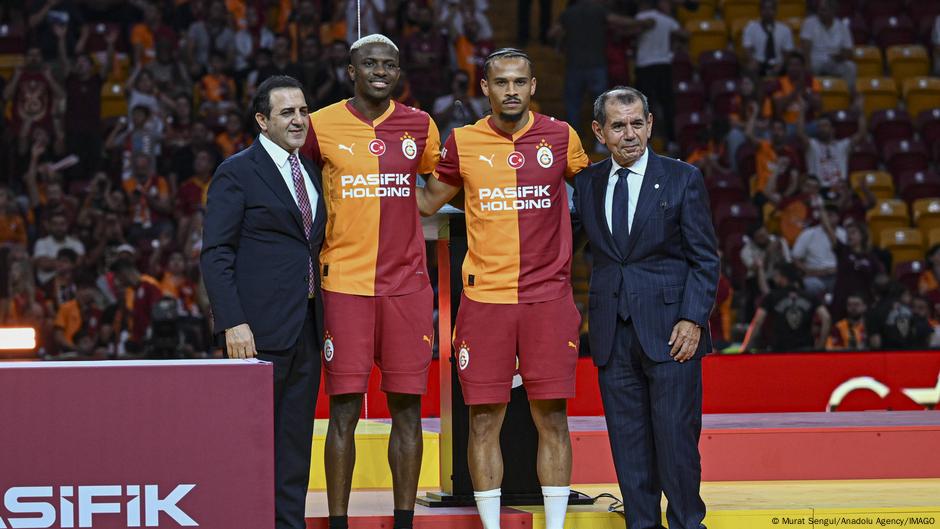
Galatasaray, the reigning Super Lig champions, recently made history by securing the services of Nigerian striker Victor Osimhen from Napoli for a record €75 million. This move marks the most expensive signing in Turkish football history and ranks as the third-highest transfer of the current window globally. Osimhen will reportedly earn a net annual salary of €21 million, while German international Leroy Sane, who joined from Bayern Munich, is set to receive €12 million per year.
Fenerbahce has also been active in the transfer market, signing Jhon Duran on loan from Al-Nassr, with the striker expected to earn close to €20 million annually. His teammate Anderson Talisca, who moved from Al-Nassr in January, earns around €15 million per year. These figures highlight the growing financial power of Turkish clubs, even as they face significant debt challenges.
Financial Challenges and Economic Pressures
Despite their impressive spending, the big three clubs are burdened by substantial debt. Their combined liabilities, along with those of Trabzonspor — widely regarded as the fourth-largest club in Turkey — are estimated to exceed €1 billion. This financial strain comes at a time when Turkey itself is grappling with economic difficulties, including high inflation and unemployment.
Some analysts argue that the government is tacitly supporting these spending sprees. By focusing public attention on high-profile transfers, officials may be diverting attention from pressing economic issues. Sports columnist Onur Ozgen described this phenomenon as a form of "bread and circuses politics," where entertainment serves as a distraction from deeper societal problems.
Football economist Tugrul Aksar noted that in economically struggling communities, football often dominates public discourse. He pointed out that fans, even those facing daily hardships, are captivated by the latest transfer news. This focus on football can overshadow the financial burdens associated with such extravagant signings.
Political Influence and Fan Control
The political clout of the big three clubs cannot be ignored. Over 90% of Turkish football fans support one of these teams, giving them significant influence. Their fan bases represent a powerful "vote bank" that governments, including President Recep Tayyip Erdogan’s ruling party, often seek to court.
In recent years, the government has provided state support to these clubs, enabling them to raise capital through share offerings and restructure debts via public banks. Professor Ahmet Talimciler from Bakircay University highlighted the long-standing ties between these clubs and the state, noting that debts are often written off or forgiven, allowing clubs to continue making expensive signings without hesitation.
The government has also used football as a tool for control. In 2022, a law was introduced to prevent reckless borrowing by clubs, with harsh penalties, including prison sentences, for officials who drive their clubs into debt. However, this law has never been enforced, leading many to believe it is more of a symbolic gesture than an actual deterrent.
The Future of the Spending Spree
Can this financial frenzy continue? Analysts like Ozgen argue that the model is unsustainable. Unlike Saudi Arabia, which benefits from oil revenues, Turkish clubs rely on debt and inflated wage bills. The gap between income and expenditure is massive, and the clubs operate in a volatile economic environment.
Ozgen warns that broadcasting revenues are shrinking, and matchday and merchandising income is limited. Additionally, clubs spend in foreign currencies but earn in Turkish lira, further straining their finances. He sees the big three chasing a fantasy of becoming "the Saudi Arabia of Europe," but believes this is a dangerous path.
As the financial pressures mount, the future of Turkish football remains uncertain. While the big three continue to make headlines with their lavish spending, the long-term viability of this strategy is increasingly in question.