
Understanding the Devastating Impact of a Nuclear Winter
A nuclear winter is a catastrophic climate scenario that could follow a large-scale nuclear war. Scientists from Pennsylvania have recently revealed the devastating consequences of such an event, highlighting how it could lead to widespread starvation for billions of people over an extended period—up to eight years after the conflict.
The study, led by Yuning Shi, a plant scientist at Penn State University, emphasizes that the effects of a nuclear winter would not be limited to immediate destruction. Instead, they would cause long-term agricultural collapse, leading to mass famine and loss of life on an unprecedented scale. The researchers focused on corn, one of the most important crops globally, as a key indicator of what could happen to food production in the aftermath of a nuclear war.
Corn, also known as maize, plays a critical role in feeding both humans and livestock. It is grown extensively across the world, making it a vital component of the global food system. If this crop were to fail due to a nuclear winter, it would have far-reaching implications for other staple crops like rice and wheat, which would likely suffer similar fates.
How a Nuclear Winter Would Unfold
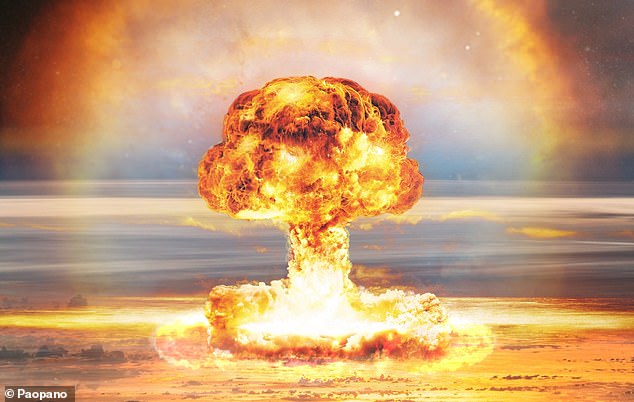
Nuclear weapons release immense energy in the form of blast, heat, and radiation. When detonated, they can ignite massive fires, producing thick smoke that rises into the atmosphere. This smoke would block sunlight, leading to freezing temperatures and severe disruptions in the climate. The resulting darkness would cause crop failures, widespread famine, and ultimately, death on a massive scale.
The study simulated various nuclear war scenarios, with soot injections ranging from 5 million tons to 165 million tons. These simulations showed that the severity of the impact on global corn production depends on the scale of the conflict. A regional nuclear war, involving about 5.5 million tons of soot, could reduce worldwide annual corn production by 7%. However, a large-scale global war with 165 million tons of soot could result in an 80% drop in corn yields.
An 80% decline in global crop production would trigger a catastrophic food crisis, leaving millions without enough food to survive. In the most extreme scenarios, demand for maize could increase several times compared to current levels, while seed production and distribution might become severely limited.
Long-Term Consequences and Environmental Damage
Beyond the immediate effects of crop failure, a nuclear winter would have long-lasting environmental impacts. The injection of soot into the atmosphere could also damage the planet's ozone layer, which protects life from harmful ultraviolet (UV) radiation. The study found that nitrogen oxides produced by nuclear explosions could accelerate ozone depletion, increasing UV-B radiation levels at the Earth's surface.
This heightened UV exposure would further damage plant tissue, reducing the already diminished ability of crops to grow. As the climate slowly recovers, these effects could persist for years, compounding the challenges of food production and recovery.
Additionally, the disruption of supply chains and commerce would exacerbate the loss of productivity, potentially leading to regional or even global famines. The researchers warn that the more severe the nuclear war, the greater the regression to primitive forms of agriculture as ecosystems degrade.
The Reality of Nuclear Threats
While nuclear weapons have only been used twice in history—by the United States against Hiroshima and Nagasaki in 1945—the threat of their use remains a pressing concern. Russian President Vladimir Putin has made several nuclear threats since the start of the war in Ukraine, reigniting fears of nuclear conflict. Russia and the United States are the largest nuclear powers, together possessing approximately 90% of the world’s nuclear warheads—enough to destroy the planet multiple times over.
In September 2023, Putin warned the West that he was not bluffing when he said he would be ready to use nuclear weapons to defend Russia. He also claimed that the U.S. had set a precedent by dropping atomic bombs on Japan during World War II.
Preparing for the Unthinkable
The study published in Environmental Research Letters serves as a stark reminder of the potential consequences of nuclear war. It underscores the need for global preparedness, even for scenarios that seem unimaginable. As the researchers emphasize, the survival of humanity may depend on our ability to anticipate and mitigate the worst possible outcomes of such a catastrophe.
In the face of such a dire threat, it is crucial for nations to prioritize diplomacy, de-escalation, and international cooperation to prevent the unthinkable from becoming reality.