
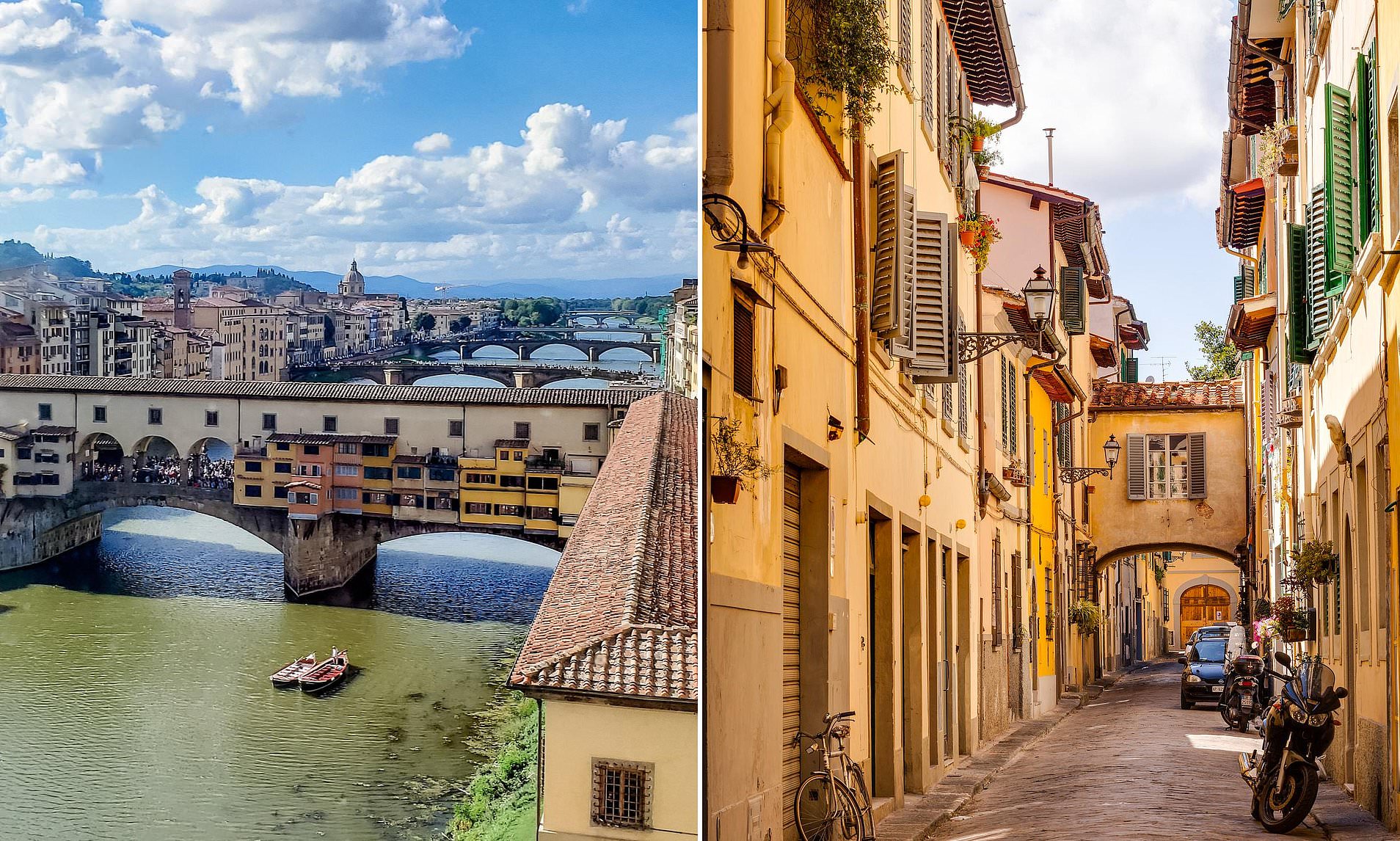
A City Struggles with Tourism Decline
Florence, a city renowned for its artistic treasures like Michelangelo’s David and the iconic Duomo cathedral, is experiencing a significant downturn in tourism. The city has seen a sharp decline in hotel and Airbnb bookings, with one-in-two rooms remaining unoccupied during the summer months. This trend coincides with a growing wave of anti-tourism protests across Europe, which have sparked concerns about the long-term impact on local communities.
According to Monica Rocchini, president of a local hoteliers’ association, the current occupancy rate in Florence is around 50%. This figure reflects a year-on-year drop in room bookings since May, with experts predicting that August will be another slow month. Rocchini explained that the decrease in demand has led to lower pricing for accommodations, as hotels and rental properties struggle to fill their vacancies.
The decline in bookings can be partially attributed to Donald Trump's announcement of tariffs, which caused American tourists—typically a high-spending group—to cancel their trips. June and July saw a 15-20% drop compared to the previous year, according to Rocchini. She emphasized that locals need to reconsider their attitudes toward tourism if they want to benefit from the economic opportunities it brings. "Having tourists doesn't mean being touristy," she said, adding that few locals fully understand this distinction.
This situation follows recent anti-tourism protests in Italy, particularly in the Dolomites region. Locals there painted the word “too much” in bright red letters on a snowy mountain near the Alpe Di Siusi ski resort. The protest was a response to the overwhelming number of tourists, who were perceived as disrupting the natural beauty and tranquility of the area.
Brigitte Foppa, a councillor from the European Greens party, highlighted the long-standing issue of over-tourism in the region. She stated that tourism in the Dolomites had been growing continuously for years but had been underestimated by authorities. "They told us that we were troublemakers... Now we are paying the price, the wound in society has opened," she warned.
Residents have repeatedly raised concerns about the negative effects of mass tourism. Last summer, locals painted a preferential lane labeled “priority” on the road leading to cable cars, as commuters faced delays due to the influx of tourists. The area, once a peaceful mountain retreat, has been transformed into a bustling hub of activity, often compared to Disneyland due to the sheer number of selfie-snapping visitors and social media influencers.
Social media platforms have played a significant role in amplifying these issues. Videos shared by frustrated locals show overcrowded cable car stations in the Seceda area of the Dolomites. One particular clip highlights a long queue of tourists spilling into a nearby café, while others block staircases as they wait for their turn to board. Another video captures a hiking trail coming to a standstill as tourists crowd the path, struggling to reach the cable car.
A caption accompanying one of these videos reads: "Something incredible even just to be told. Hours in line waiting for your turn to go up the Seceda to admire the meadows, ridges, the most beautiful mountains of the Alto Adige, being careful not to step on each other's feet, not to clash, to take the selfie as 'freely' possible in the presence of other tourists."
These incidents have sparked a broader conversation about the sustainability of tourism in popular destinations. As cities like Florence and regions such as the Dolomites face increasing pressure from both residents and visitors, the challenge remains to find a balance between preserving local culture and welcoming tourism.