
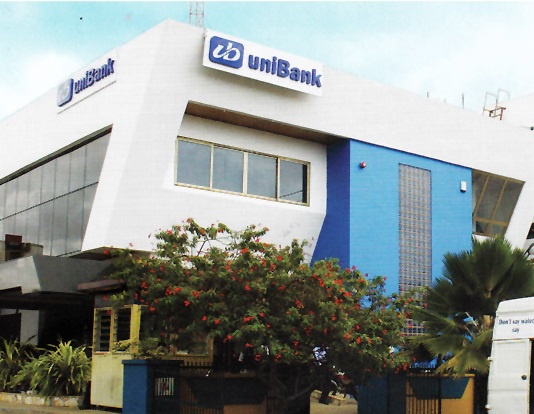
The Legal and Economic Dilemma: Negotiated Settlements in the UniBank Saga
On 22nd July, 2025, Ghana’s Attorney-General (AG) and Minister for Justice, Dominic Akuritinga Ayine, announced a significant decision to halt the ongoing court proceedings against the shareholders and directors of defunct UniBank Ghana Ltd. Instead of pursuing legal action, the government opted for a negotiated settlement that would recover approximately 60 percent of the revised debt figure of GH¢3.3 billion. This move has sparked widespread debate across the nation and beyond, raising questions about accountability, the rule of law, and economic efficiency.
The debt originated from a severe banking crisis during the NPP administration, which led to the collapse of UniBank and other financial institutions between 2017 and 2019. These institutions were placed under receivership by the Bank of Ghana. However, the subsequent legal proceedings have become lengthy and complex, prompting the AG to explore alternative methods of recovering state funds.
Critics argue that this decision undermines the principles of accountability and the sanctity of the law. Some believe that the AG, who previously served as a lawyer for the shareholders, lacks the moral authority to make such a decision. On the other hand, proponents suggest that this approach could lead to faster debt recovery and greater economic efficiency, allowing the country to allocate resources more effectively for national development.
This case highlights the intricate relationship between law and economics, especially in developing economies where legal, financial, managerial, and economic efficiencies are often lacking. It invites students, lecturers, politicians, business managers, lawyers, and the general public to consider how legal and economic principles interact to shape the business environment, governance quality, and economic growth.
Legal Rectitude and Economic Efficiency
From an economic perspective, the AG's decision reflects an effort to minimize the social costs associated with prolonged litigation. Legal battles involve high transaction costs, including legal fees, court delays, enforcement hurdles, and administrative expenses. These costs can significantly reduce the net benefit of pursuing full legal justice, particularly when asset recovery is constrained or would yield diminishing returns over time.
The concept of the time value of money plays a crucial role here. A cedi received today is worth more than the same amount received in the future due to inflation, risk, uncertainty, and potential investment returns. Therefore, the 60 percent negotiated by the AG could generate higher returns if invested immediately rather than waiting for the full amount after years of legal battles.
Opportunity cost is another central factor in this scenario. Resources such as time, funds, and institutional capacity devoted to the case could be redirected toward more productive uses, such as recapitalizing the financial sector, supporting macroeconomic stability efforts, or strengthening regulatory oversight to prevent future crises. By opting for a negotiated settlement, the state appears to be trading a sub-optimal legal outcome for a quicker debt recovery and broader economic benefits.
Strategic Debt Recovery and Institutional Measures
To ensure that such strategic interventions are perceived as credible, transparent, and legally sound, several policy and institutional measures must be adopted by the state:
-
Comprehensive Legal Framework: Enacting a clear legal framework to guide the handling of cases involving embezzlement and misappropriation of state funds. This should define the conditions under which negotiated settlements are permissible, criteria for assessing economic and public interest benefits, and oversight mechanisms to prevent abuse.
-
Transparent Reporting Mechanisms: Establishing a system for tracking and publicizing the benefits of repayment agreements. Quarterly reports detailing payments made by UniBank shareholders and other affected parties would promote accountability and public confidence in negotiated settlements.
-
Proactive Regulatory Oversight: Shifting regulatory bodies like the Bank of Ghana, the Auditor-General’s Department, and the Ministry of Finance toward proactive oversight. Strengthening monitoring systems, conducting regular forensic audits, and enforcing strict compliance with banking regulations can help detect irregularities early and prevent systemic collapses.
-
Asset Recovery and Restructuring: Reconsidering the blanket liquidation of financial institutions implicated in misconduct. Instead, focusing on asset recovery and restructuring to preserve jobs, protect depositors, and retain the economic value of these institutions.
-
Balancing Justice and Economic Outcomes: Prioritizing economic efficiency over rigid legal rectitude in dealing with financial and economic crises. In some cases, negotiated settlements that recover substantial portions of public funds and stabilize the financial system may serve the national interest better than punitive imprisonment.
-
Impartial Application of Justice: Ensuring that political expediency does not influence the application of justice. Political parties and governance structures must commit to impartial enforcement of laws, avoiding the practice of shielding political allies while targeting opposition figures.
Conclusion
The UniBank saga and similar cases illustrate the complex interplay between law and economics in shaping national outcomes. Legal structures should aim not only to enforce rules but also to promote efficient resource allocation, incentive alignment, business confidence, and economic stability. This requires institutionalizing debt recovery, designing effective settlement plans, and fostering public scrutiny. Cases of clear criminal fraud must still be prosecuted to ensure deterrence. The key lies in crafting an enforcement environment that balances efficient recovery with credible future deterrence, ensuring macroeconomic prudence without compromising future accountability.