
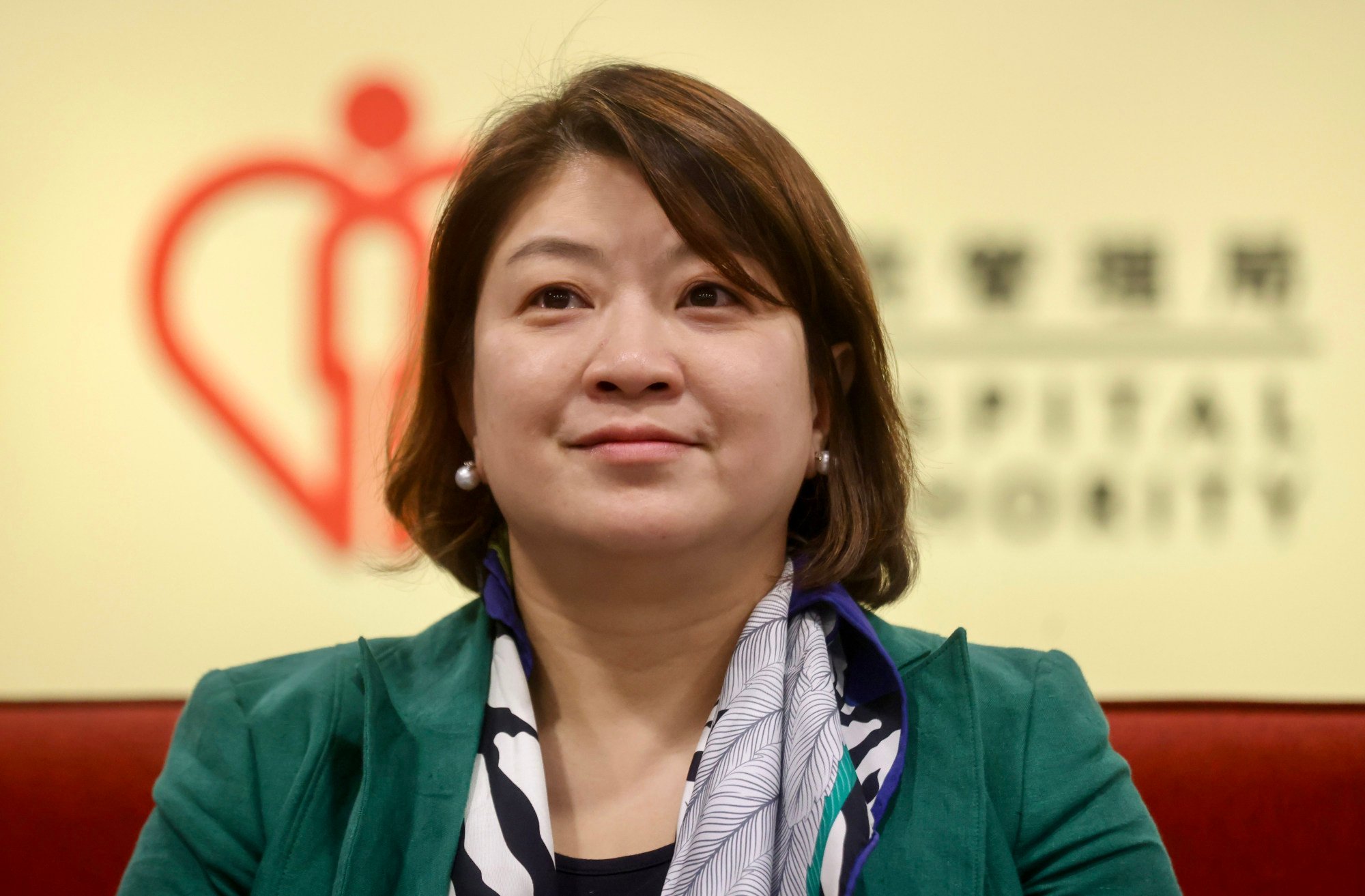
A New Vision for Hong Kong’s Public Hospitals
Dr. Libby Lee Ha-yun, the newly appointed chief executive of Hong Kong’s Hospital Authority, has outlined a bold vision for transforming the healthcare system by placing greater emphasis on patient-centered care and fostering a culture where staff feel empowered to voice their concerns without fear of repercussions.
In her first public remarks since taking office, Dr. Lee emphasized the importance of creating an environment where employees are encouraged to speak up about issues that could impact patient safety. Her goal is to move toward a future where the need for whistle-blowers is eliminated, as she believes open communication and transparency should be the norm within the organization.
“Creating a culture where staff feel comfortable expressing their opinions without worrying about negative consequences is essential,” Dr. Lee stated. “This can start with simple daily meetings where everyone is given the opportunity to share their thoughts.”
She highlighted the significance of maintaining an open and transparent system that values logical debate and mutual respect. “Sometimes we may not agree, but that’s okay. What matters is that we create a space where people feel safe to express their views,” she added.
Dr. Lee’s vision extends beyond just internal communication. She aims to ensure that the perspectives of patients and the broader community are integrated into every aspect of hospital operations. This includes improving services based on feedback from those who use them.
One of her key priorities is reducing the long waiting times that patients face, particularly in specialist outpatient clinics. According to recent data, some patients in Hong Kong have had to wait over 117 weeks to see an eye specialist in the New Territories East region. Dr. Lee acknowledged that this is a critical issue that needs urgent attention.
To address these challenges, she plans to leverage technology to streamline processes and make medical appointments more efficient. By introducing one-stop services, patients would no longer need to spend hours queuing for blood tests, medication collection, or follow-up appointments. Instead, they could complete these tasks quickly, allowing for a smoother and more efficient experience.
“We want to eliminate unnecessary waiting time and make the process as seamless as possible,” Dr. Lee explained. “This will not only improve patient satisfaction but also increase the overall efficiency of our services.”
Another area of focus is optimizing the allocation of appointment quotas. Dr. Lee believes that adjusting the balance between new patients and follow-up cases could help reduce wait times for first-time consultations. This would involve reviewing whether certain patients require regular visits and potentially rescheduling those appointments to free up slots for others in need.
Her approach is supported by recommendations from a recent report on hospital management, which highlighted the importance of fostering a speak-up culture as part of broader efforts to enhance safety and risk management. Training staff to communicate openly and effectively was identified as a key strategy for achieving this goal.
Dr. Lee, who previously served as undersecretary for health, brings a wealth of experience to her new role. Before joining the government in 2022, she worked extensively within the Hospital Authority, most recently as director of strategy and planning. Despite the transition, she feels at home in her current position, describing it as a return to a place she once called her workplace.
“I feel quite familiar with the job, as if I’ve already been here for a year,” she said. “Many people have left, but there are also many new faces. It’s a dynamic environment, and I’m excited to work with everyone to bring about positive change.”
As she continues to shape the future of Hong Kong’s public hospitals, Dr. Lee remains committed to ensuring that patient needs are at the forefront of every decision. Her leadership reflects a growing recognition that healthcare systems must evolve to meet the changing demands of the population while maintaining the highest standards of safety and efficiency.