
The Need for Updated Guidelines in Prostate Cancer Care
Up to 5,000 men each year could avoid potentially harmful treatments for prostate cancer if guidelines are updated to reflect the latest medical evidence, according to a recent report. This issue is particularly relevant for those diagnosed with slow-growing cancers that are unlikely to pose a threat to their lives. Instead of undergoing immediate treatment, these men could benefit from close monitoring through regular blood tests and scans.
However, outdated guidance from the National Institute of Health and Care Excellence (Nice) has led to inconsistencies in how this approach is implemented across the country. As a result, some hospitals have developed their own protocols, creating what critics describe as a “wild west” of care. This inconsistency has resulted in a “postcode lottery,” where patients in certain areas are more likely to receive unnecessary surgery, which can lead to side effects such as erectile dysfunction or incontinence.
Prostate Cancer UK highlights that the rate of overtreatment varies widely, ranging from 2% to 24%, depending on where a man lives. One in four men diagnosed with prostate cancer each year has a slow-growing form of the disease that is unlikely to cause harm. Advances in diagnosis now allow doctors to determine which patients require immediate treatment and which can safely delay or avoid it altogether.
Nice’s guidance on active surveillance aims to help specialists implement monitoring strategies and identify which patients should be monitored. However, this guidance has not been updated since 2021, despite significant progress in diagnostic techniques. According to Prostate Cancer UK, only 24% of hospitals rely solely on Nice guidelines for active surveillance, while 35 hospitals have developed their own protocols. This lack of standardization creates confusion among healthcare professionals and undermines patient confidence in the monitoring approach.
The Call for Change
Amy Rylance, assistant director of health improvement at Prostate Cancer UK, emphasizes the need for updated guidelines to reduce harm and support a potential screening program for prostate cancer. She notes that concerns about overtreatment are a major barrier to routine screening in the UK, even though prostate cancer is the most common cancer in England.
Rylance states that acting on the latest research showing that more men can safely choose monitoring over treatment will help reduce unnecessary interventions and the associated side effects. Despite repeated requests, Nice has not updated its active surveillance guidance, leading to ongoing issues that affect thousands of men.
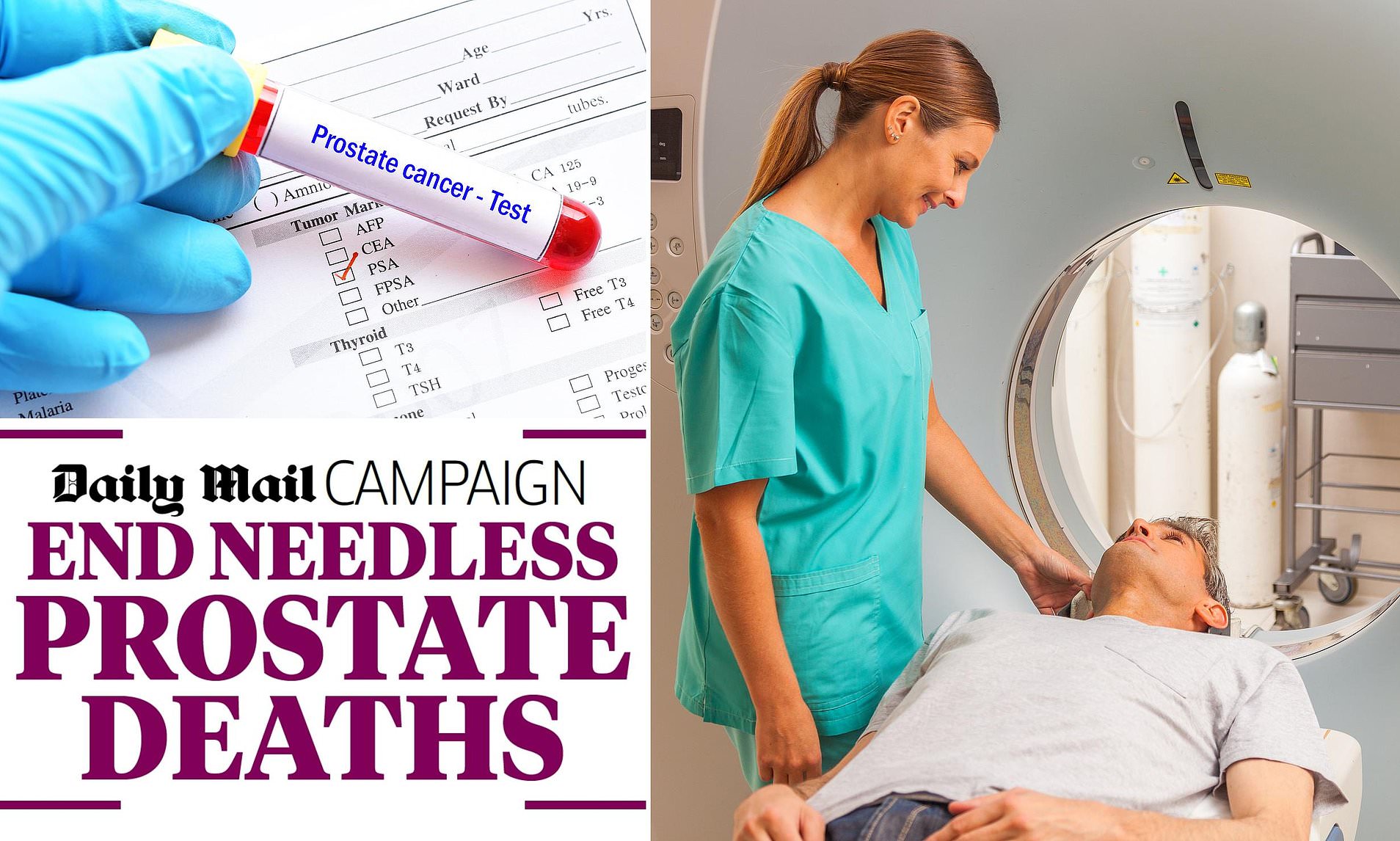
The NHS currently uses a prostate-specific antigen (PSA) blood test to detect prostate conditions, but routine PSA testing is not offered on the NHS. Patients may be referred for a PSA test if a GP suspects prostate cancer, and men over 50 can request the test even without symptoms.
Vincent Gnanapragasam, a professor of urology at the University of Cambridge, supports the use of active surveillance for men whose cancer is unlikely to progress. He criticizes the outdated Nice guidelines, which he says have created a chaotic environment in how surveillance is implemented. Standardized and individualized surveillance programs have been proven effective, but inconsistent practices undermine patient trust and lead to unnecessary treatments.
The Role of Screening Programs
The Daily Mail is advocating for a national prostate cancer screening program, initially targeting high-risk men. Commentary by Lord Darren Mott OBE highlights the importance of making prostate cancer treatment and care a priority. He points out that while many assume cancer requires treatment, not all cases are the same. For some men, active surveillance is a safer and more appropriate option.
Avoiding treatment means avoiding potential side effects, such as urinary incontinence and erectile dysfunction. However, outdated guidelines from Nice mean fewer men are benefiting from this approach than they could. The guidelines for active surveillance have not been updated since 2021, despite advancements in diagnosis that make active surveillance safer.
Prostate Cancer UK submitted a freedom of information request to UK hospitals, revealing that just a quarter of hospitals use Nice guidelines exclusively for active surveillance. The findings show that 35 hospitals have developed their own protocols, contributing to national inconsistency and confusion.
This situation has created a postcode lottery, where some men are more likely to be overtreated based on their location. Prostate cancer remains the only common cancer without a screening program, and the National Screening Committee is set to make a decision this year. Whatever the outcome, a national screening program will not be possible without addressing the issues with active surveillance.
The Urgent Call for Action
Two years ago, Prostate Cancer UK requested that Nice update its active surveillance guidelines, but the request was denied. New evidence shows that outdated guidelines continue to affect thousands of men. Lord Mott urges colleagues to join the call for change, ensuring that men receive the best information about whether treatment is necessary for them.
The UK’s National Screening Committee is currently evaluating whether a national screening program for prostate cancer should be implemented. A Nice spokesperson stated that the organization is committed to updating its guidelines to reflect the best available evidence and improve patient outcomes. They are reviewing recommendations around active surveillance and age-related thresholds for PSA tests.
As the debate continues, the focus remains on ensuring that guidelines align with clinical practice and that patients receive consistent, evidence-based care.