
The Unlikely Journey of a Valuable Sculpture
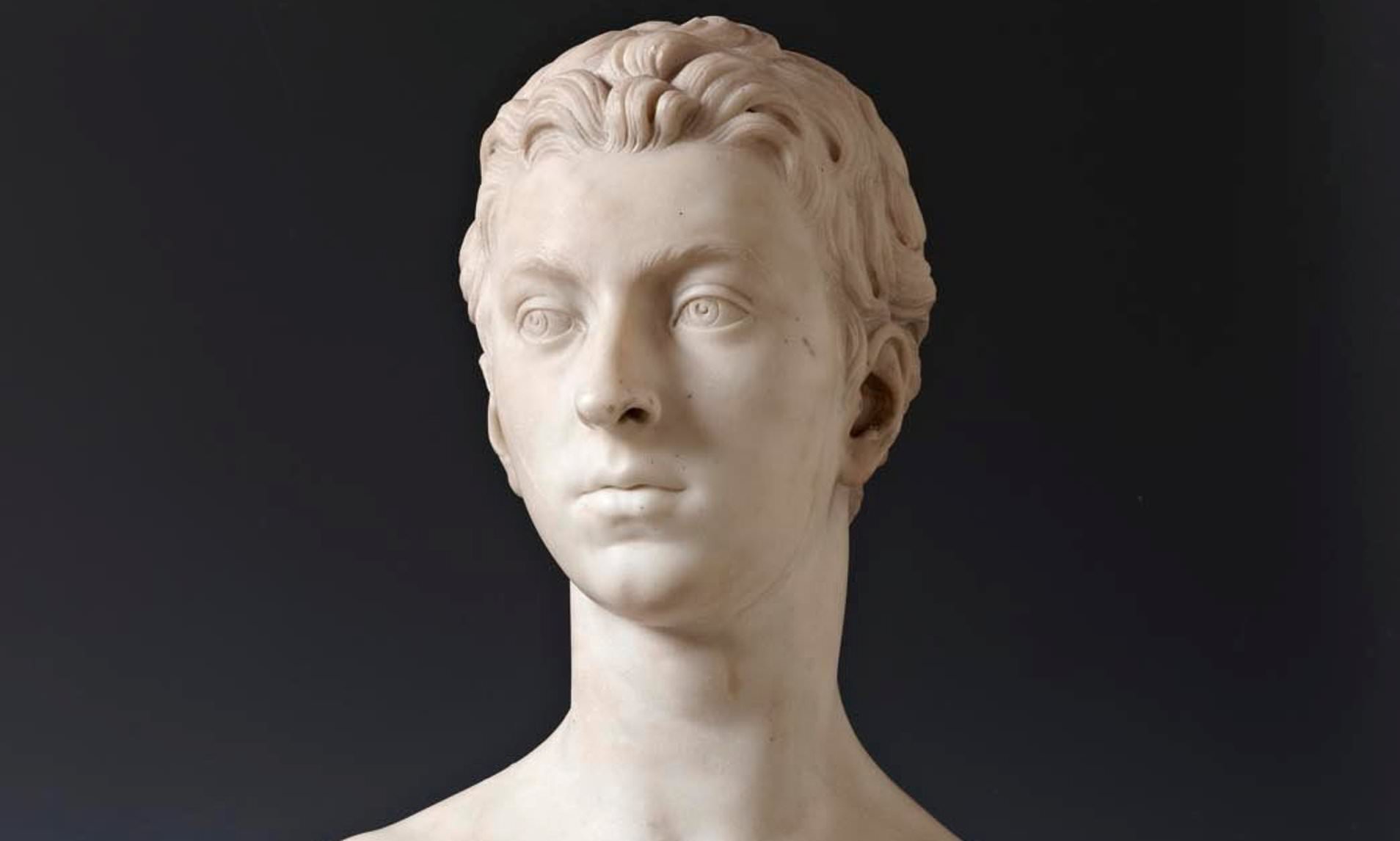
A once-overlooked sculpture, which had been used as a doorstop for years, has recently come into the spotlight after being valued at £2.5 million. This unexpected turn of events has sparked a debate over whether the artwork should be sold overseas or remain in the Highlands.
The bust of Sir John Gordon, a 18th-century landowner, was created by French artist Edmé Bouchardon in 1728. For many years, it was not recognized for its true value and was left to serve as a doorstop in a shed in the Highlands. It was only recently that its significance was discovered, leading to a surge in interest from collectors and institutions alike.
Highland Council, which currently owns the sculpture, is considering selling it to raise funds for the community of Invergordon. The town, named after the Gordon family, has long been associated with the historical figure depicted in the bust. However, the sale has raised concerns about the potential loss of a cultural artifact.
A report revealed that the local authority’s application for a UK export licence, required for any overseas sale, has been opposed. The review process is now under scrutiny, with the Reviewing Committee on the Export of Works of Art and Objects of Cultural Interest assessing whether the bust qualifies as a national treasure. If deemed so, the sculpture could be blocked from being sold outside the UK.
Invergordon Town Council originally purchased the sculpture for just £5 in 1930. It was later stored in an industrial estate, where its value remained unnoticed until recent years. The rediscovery of the bust was credited to Maxine Smith, a former Highland councillor, who found it propping open a door in a council unit in 1998.
The Highland Council describes the sculpture as a community asset belonging to the Invergordon Common Good Fund. Its potential sale has generated significant interest, with auction house Sotheby’s receiving a bid exceeding £2.5 million. According to experts at the auction house, this offer represents the peak of the market for the artwork.
If the sculpture is sold, the proceeds could generate up to £125,000 annually for the local community. Plans also include commissioning a museum-quality replica to be displayed in the Highlands, ensuring that the legacy of Sir John Gordon remains accessible to the public.
The council report is set to be discussed at a meeting of the Black Isle and Easter Ross area committee next Monday. Until then, the future of the sculpture remains uncertain, with the outcome of the review playing a crucial role in determining its fate.
Sir John Gordon, who became an MP in 1742, met Bouchardon in Rome in 1728 while traveling through continental Europe. The sculpture was originally a feature of the Gordon family’s Invergordon Castle and survived a fire at the property in the 19th century.
In 2016, the bust was exhibited at the Louvre in Paris and the J Paul Getty Museum in Los Angeles, further highlighting its cultural and artistic significance. As the debate continues, the story of this once-forgotten sculpture serves as a reminder of the hidden treasures that can be found in unexpected places.