
The Shaolin Temple and the Changing Face of Religious Commercialization in China
The Shaolin Temple, a 1,500-year-old monastery located at the foot of a holy mountain in Henan province, is renowned as the birthplace of kung fu and Zen Buddhism. Known for its rich cultural heritage and spiritual significance, the temple has also become a focal point of controversy following the criminal investigation into its long-time abbot, Shi Yongxin.
Despite the ongoing legal scrutiny, the temple continues to attract tourists and disciples who come to light incense, watch kung fu performances, and engage in prayer. However, subtle changes are evident within the temple complex. Notably, any trace of Shi Yongxin has been swiftly removed, and the aggressive commercialism that once characterized the temple has been scaled back. This shift has sparked speculation about a potential turning point in how temples are governed and operated in China.
The Rise of the "CEO Monk"
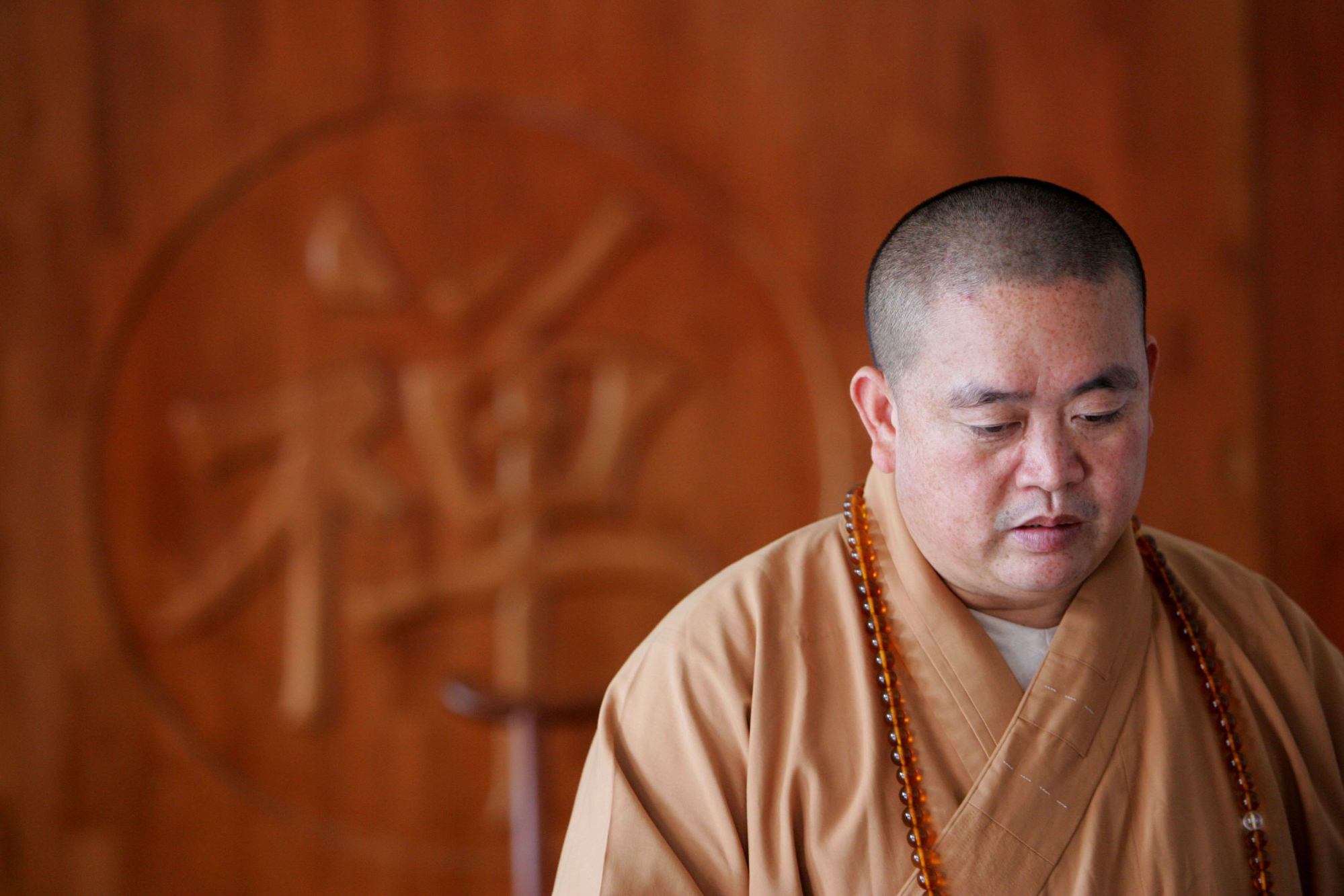
Shi Yongxin, often referred to as the "CEO monk," played a pivotal role in transforming the Shaolin Temple into a multibillion-dollar global brand. He joined the temple in 1981 and became its abbot in 1999 at the age of 34. Under his leadership, the temple expanded its influence beyond traditional religious practices, venturing into tourism, investment, cultural merchandise, martial arts exchanges, film production, traditional medicine, property, and dining.
His vision led to the creation of a network of companies that extended beyond China, drawing comparisons to entertainment conglomerates like Disney. At its peak, Shi reportedly had control or significant influence over at least 18 companies. His approach to commercialization was not without criticism, but he defended it as necessary to protect the temple's legacy and prevent copyright infringement.
Controversies and Allegations
Over the years, Shi faced allegations of financial misconduct and personal impropriety. In 2015, he was accused of embezzlement and fathering children—actions that contradicted the Buddhist vow of celibacy. Although cleared of charges, these accusations contributed to growing concerns about the temple's commercialization.
In July 2024, the temple management committee announced that Shi was under investigation for criminal offenses, including misappropriation of project funds and temple assets, as well as violating Buddhist principles by maintaining improper relations with multiple women and fathering at least one child. His Buddhist credentials were revoked by the Buddhist Association of China, which accused him of undermining the reputation of the Buddhist community.
A New Era for the Shaolin Temple
Following Shi's investigation, a new abbot, Shi Yinle, was appointed. Unlike his predecessor, Shi Yinle is seen as more restrained in his approach to commercialization. His previous role as abbot of the White Horse Temple in Luoyang emphasized a balance between Buddhist practice and farming, with a focus on community engagement.
The appointment of Shi Yinle has divided opinions in Dengfeng. Some residents credit Shi Yongxin with bringing economic opportunities and global recognition to the region, while others express dissatisfaction with his leadership. The impact of the investigation on the temple's operations remains uncertain, with some believing that business will continue as usual.
The Broader Implications
The case of Shi Yongxin highlights the broader debate surrounding the commercialization of religious institutions in China. While some argue that commercial activities can help temples become self-sufficient, others warn against the risks of corruption and mismanagement. The government has issued guidelines aimed at strengthening regulation and preventing the entanglement of commerce and spirituality.
Experts suggest that the investigation could prompt reforms, including stricter oversight of temple finances, limits on trademark usage, and requirements for public welfare contributions. These measures aim to address systemic flaws and ensure transparency in the management of religious institutions.
The Future of the Temple Economy
The temple economy in Dengfeng has grown significantly, driven by increasing interest in spirituality among younger generations. Visitors flock to Buddhist temples, Taoist shrines, and related businesses, generating substantial revenue. According to consulting agency Meritco Group, the temple economy was worth 80 to 90 billion yuan (US$11.1 billion to US$12.5 billion) in 2023, with projections of exceeding 100 billion yuan by the end of the year.
As the debate over commercialization continues, the future of the Shaolin Temple and other religious institutions remains uncertain. The case of Shi Yongxin serves as a reminder of the delicate balance between preserving cultural heritage and navigating the complexities of modern economic realities.