
The Hidden Dangers of Reintroducing Food to the Starving
Even when food aid reaches areas like Gaza, Sudan, and other regions facing famine, there are significant risks involved. Malnourished individuals may experience life-threatening complications if they suddenly resume regular meals. These issues can be fatal, highlighting the complexity of addressing hunger crises.
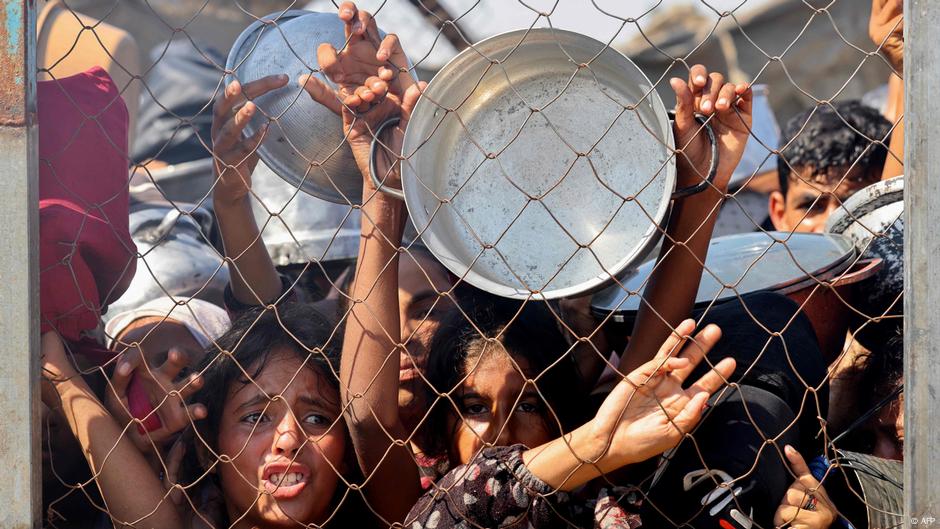
As of August 8, 197 people, including 96 children, have died from famine in Gaza due to the ongoing blockade and military operations, according to local health authorities. Similar situations are unfolding across the globe. In Sudan, international agencies estimate that 3.2 million children under the age of five will suffer from acute malnutrition in the coming year. People in El Fasher, North Darfur, have been starving for over a year.
In Nigeria, where funding from international donors has been reduced, malnutrition has led to the deaths of 625 children in the first half of 2025. Countries such as Haiti, Mali, and Yemen are also grappling with severe food shortages.
The Risks of Refeeding Syndrome
Addressing hunger is more complex than simply providing food. Health experts warn that refeeding programs for malnourished individuals must be carefully managed. If done incorrectly, these programs can lead to serious, even fatal, complications.
Marko Kerac, a pediatrician and clinical researcher at the London School of Hygiene and Tropical Medicine, explains that reintroducing food too quickly can cause a rapid shift in electrolytes, which can result in sudden death. This condition, known as refeeding syndrome, occurs when malnourished individuals resume normal eating too quickly.
Refeeding syndrome is particularly dangerous for those with kidney failure, eating disorders, depression, or alcohol-related issues. When the body is deprived of nutrients for an extended period, it adapts by slowing down metabolic processes and organ functions. A sudden influx of nutrients can overwhelm the body, leading to disruptions in critical organ functions, such as irregular heartbeats, which can be fatal.
Understanding Starvation and Its Effects
Starvation begins when the body doesn’t receive enough calories to meet its energy needs. Over time, this lack of nutrition affects the production of essential hormones and enzymes. To cope, the body slows down its metabolism and reduces organ activity.
In the first two days without food, the body uses up its carbohydrate stores. After three days, it starts breaking down fats and proteins for energy, leading to muscle wasting, extreme fatigue, and a weakened immune system. Death often results from infections the body can no longer fight or from organ failure.
Proper Nutrition: A Delicate Balance
To prevent refeeding syndrome, experts recommend a gradual reintroduction of food. This process, known as stabilization feeding, includes special formulations like ready-to-use therapeutic foods (RUTFs). These products are designed to provide essential nutrients without overwhelming the body.
Products like Plumpy'Nut, a fortified peanut paste, are commonly used in famine-affected regions. They are low in sodium but high in potassium and phosphate, making them ideal for severely malnourished children. A child receiving three sachets a day could recover from severe acute malnutrition within eight weeks.
Researchers are also exploring locally produced RUTFs made from ingredients like chickpeas, mung beans, maize, and lentils. These options could reduce costs and minimize allergy risks, making them more accessible in regions with high food insecurity.
The Need for International Pressure
Experts emphasize that safe resumption of aid in famine zones requires international pressure. Without proper access to affected areas, even the most well-intentioned efforts may fail.
Wieger Voskuijl and Hanaa Benjeddi, pediatricians at the Amsterdam University Medical Center, highlight the importance of allowing aid organizations to operate safely. They note that preventing refeeding syndrome is challenging in settings with limited healthcare resources.
Governments in famine-affected regions must prioritize the safety of aid workers and ensure that vulnerable populations, including children and pregnant women, receive necessary support. This requires global collaboration and sustained pressure on local authorities to facilitate aid delivery.
Without immediate action, the consequences could be devastating. Widespread deaths are predicted if hunger is not addressed effectively. The challenge lies not only in delivering food but in doing so in a way that safeguards the lives of those most at risk.