
The Role of Clean Cooking Energy in Tanzania’s Sustainable Development
Clean energy is a vital component of sustainable development, especially in countries like Tanzania, where social, economic, and environmental challenges are deeply intertwined. Among the most pressing issues is the reliance on dirty energy sources such as firewood and charcoal for cooking. This not only contributes to deforestation but also poses serious health risks to millions of people, particularly women and children.
According to the National Clean Cooking Strategy (2024–2034), Tanzania loses approximately 400,000 hectares of forest each year due to unsustainable exploitation, including logging for firewood and charcoal. This loss exacerbates drought conditions and causes significant ecological damage. The National Environmental Master Plan for Strategic Interventions (2022–2032) reports that nearly 16% of the country’s land area has already turned into desert due to deforestation. To combat these issues, the government has launched a comprehensive strategy aimed at ensuring that 80% of the population stops using firewood and charcoal by 2034.
Government Initiatives and Progress
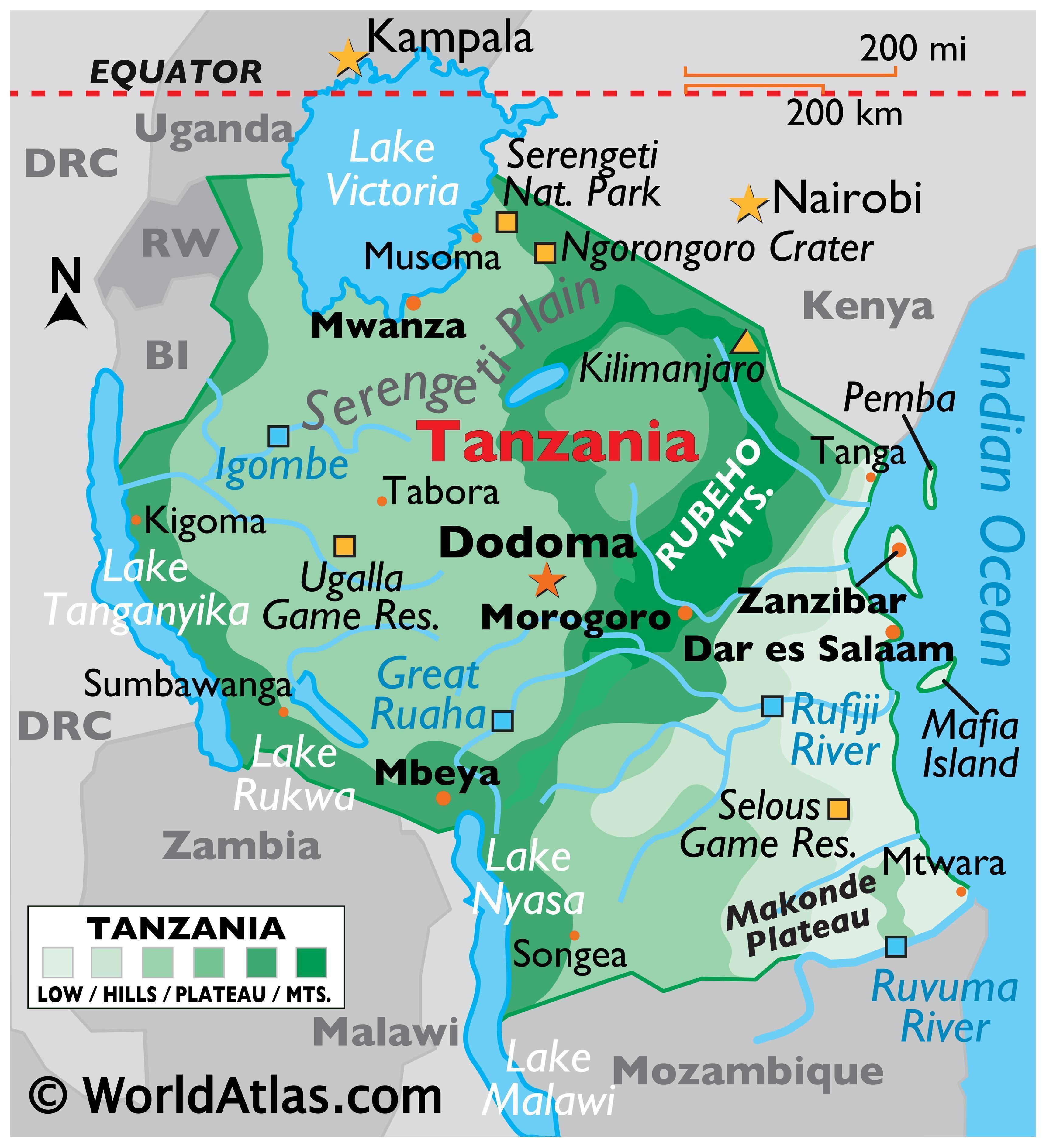
The Tanzania Petroleum Development Corporation (TPDC) plays a key role in implementing this strategy. Through its Marketing Manager, Neema Cleophace, TPDC has ongoing projects for the 2025/26 financial year to connect 1,000 new customers in Dar es Salaam to natural gas. Additionally, projects for the 2024/25 financial year include connecting 1,000 households in Lindi and Pwani regions. So far, 1,514 households have been connected to natural gas, with specific numbers reported across several areas. Moreover, 58 industries have also been connected to this cleaner energy source.
Natural gas is seen as a more efficient and cost-effective alternative to traditional fuels. It reduces indoor air pollution and associated health risks, making it a preferred choice for many households. The Tanzania Prison Service, for example, uses energy derived from gas, alternative charcoal, and waste-based gas. According to Senior Assistant Commissioner of Prisons Elizabeth Mbezi, the switch to clean energy was driven by the ease of access and the high costs and health risks associated with firewood.
Challenges and Concerns
Despite these efforts, many Tanzanians still face challenges in accessing affordable clean energy. Zabibu Rajabu, a resident of Mtwara, uses a mix of clean and dirty energy due to supply constraints. While she prefers LPG cylinders for their health benefits, the high cost of refilling them makes it impractical to rely solely on gas. Similarly, Mariam Said, another resident of Sabasaba in Mtwara, highlights the affordability issue, noting that the cost of gas remains a major barrier despite its health and efficiency advantages.
In response to these concerns, President Samia Suluhu Hassan pledged in February 2024 that the government would introduce measures to make energy use more affordable. Under this initiative, rural households will receive a 50% subsidy on gas cylinder prices, while urban residents will get a 20% subsidy. This aligns with the Rural Energy Agency (REA) Act and aims to support low-income families in transitioning to cleaner energy sources.
Health and Environmental Impacts
Health experts warn that the use of dirty energy sources has severe consequences. Dr. Ernest Winchislaus, a human health expert, explains that smoke from firewood, charcoal, crop residues, and even tyres contains toxic substances such as carbon monoxide. These toxins cause respiratory diseases, pneumonia, chronic lung disease, and other serious health issues. According to World Health Organization (WHO) data, about 2.4 million people die annually from the use of dirty cooking energy, with four out of five deaths occurring among women and children.
In Tanzania, over 70% of households rely on firewood or charcoal for cooking, according to the National Bureau of Statistics (NBS) / REPOA 2022. The shift to clean energy can significantly reduce harmful indoor smoke, lowering infant and maternal deaths, reducing respiratory illnesses, and easing the burden on health facilities.
The Urgency of Transitioning to Clean Energy
Environmental analyst Dr. Aidan Msafiri emphasizes the long-term impact of dirty energy, which lingers in the atmosphere for over 90 years. He stresses the urgency of transitioning to clean cooking energy to mitigate climate change. By reducing carbon emissions and preserving natural resources, clean energy offers a sustainable path forward for Tanzania and its people.
This report is sponsored by the Bill & Melinda Gates Foundation.