
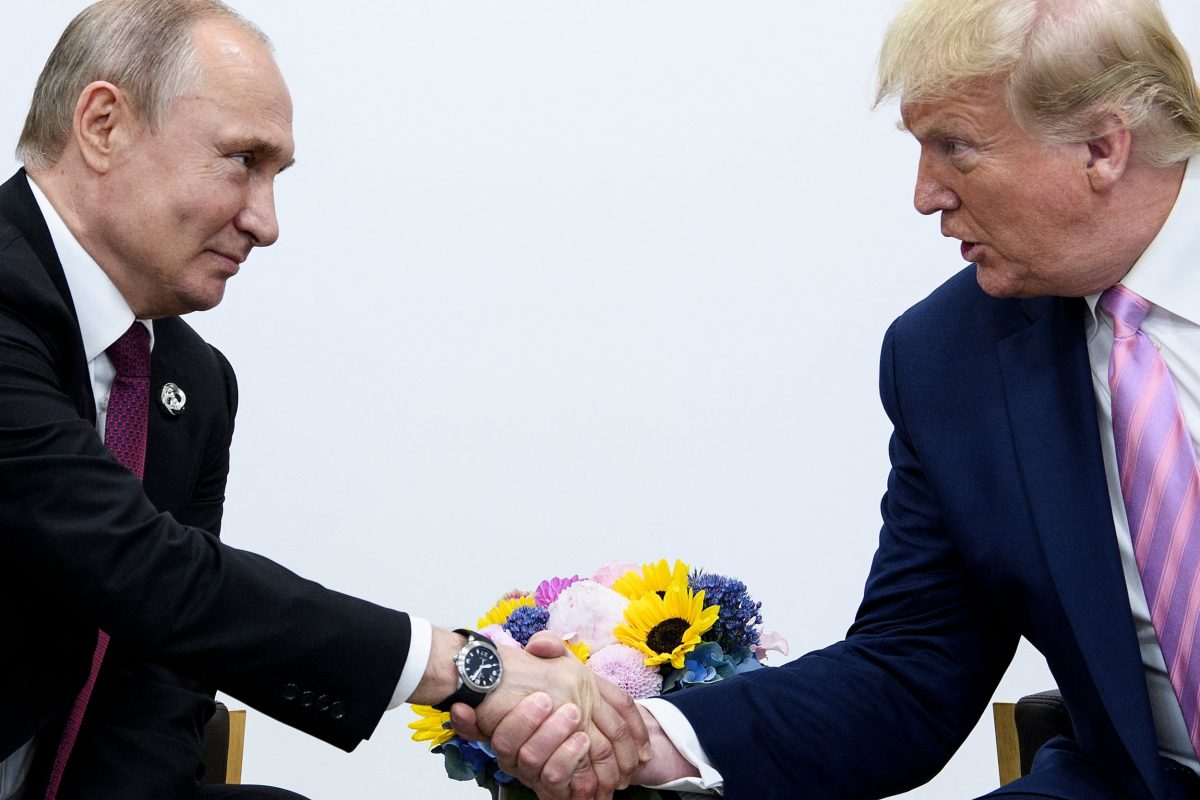
The Unlikely Summit: A Potential Shift in Global Power Dynamics
The upcoming meeting between former U.S. President Donald Trump and Russian President Vladimir Putin in Alaska has sparked widespread skepticism among global observers. Most people outside the Kremlin and the White House do not expect any positive outcomes from this encounter. What remains uncertain is the extent of the damage this summit could inflict on Ukraine, Europe, and the United States itself.
The official reason for the meeting is to discuss a resolution to Russia’s ongoing war in Ukraine. However, there are indications that Putin may have more ambitious goals in mind than simply securing Trump's support for his current military objectives. His long-term ambitions extend far beyond Ukraine, as evidenced by the draft treaties presented to NATO and the U.S. in December 2021. These documents outlined a vision that would effectively hand over European security to Russia.
NATO Secretary General Mark Rutte appears to be preparing for potential demands from Moscow during this summit. Historically, NATO's role in Europe was to keep the Americans involved, the Russians at bay, and the Germans in check. However, the proposed "new European security architecture" suggests a reversal of these principles, with Russia gaining influence, the U.S. stepping back, and Germany becoming less relevant.
Despite the devastation caused by the war over the past three years, little has changed in terms of Trump's approach to Russia. This consistency raises concerns about what might be offered to Putin beyond Ukraine. The summit represents yet another example of Trump's pattern of making promises he fails to deliver. His previous "deadline" for Russian action passed without any sanctions being imposed on Moscow.
Trump's reluctance to challenge Putin has been consistent, leading to a situation where Europe now faces a dire predicament. The White House's efforts to reward Russia for its aggression have been met with dismay. Just days ago, there was still hope for sanctions against Moscow, but now the focus has shifted to what the U.S. might try to force Ukraine to concede to Russia.
The mere fact that the summit is taking place is seen as a victory for Putin. Its location sends a message that the U.S. will cater to Russia rather than confront it. Putin is being treated as an equal by Trump, which is a significant shift given his status as an internationally wanted war criminal.
Russian state media has celebrated this development, highlighting Alaska's Russian history and drawing parallels to other regions once part of the Russian Empire, including Ukraine. While Trump is unlikely to give away Alaska, there are concerns that he might exploit interest in the region for personal gain.
Additionally, Russia's interest in Arctic cooperation with the U.S. could pose risks to the security of northern NATO members like Norway and Canada. Even if the summit's impact were limited to Ukraine, it would still be detrimental to the security of the broader European region.
An unconditional ceasefire, which was once considered a worst-case scenario, is now the only viable outcome due to the actions of the new U.S. administration. Ceasefires allow Russia to regroup and prepare for future offensives, whether against Ukraine or elsewhere in Europe.
There are credible reports that Trump's inexperienced envoy, Stephen Witkoff, misunderstood Putin's demands and misreported them to the U.S. and the world. For Russia, ceasefires are not an end to conflict but a step toward achieving its war aims. The endorsement of Russia's aggression by U.S. Ambassador to NATO Matthew Whitaker, who spoke about territory "earned on the battlefield," further emboldens aggressors around the globe.
Ukraine and Europe risk being excluded from discussions about their future. This reflects a lack of strategic initiative from European leaders since the last similar situation in February. There were options to prevent this recurrence, but none were taken.
Any agreement involving Ukraine without its participation is essentially meaningless. The outcome depends largely on how much pressure Trump can exert on Kyiv. Ukrainians remain unwilling to abandon occupied territories and the people living there to Russia.
As time passes and support from European partners grows, Ukrainian dependence on the U.S. is gradually decreasing. This includes recent efforts by the U.S. to coerce Kyiv into accepting Russia's demands by cutting off support.
The summit's outcome may once again force Kyiv to decide whether it can or must disregard U.S. demands and fight for survival. Keir Giles, a writer and commentator on Russian affairs, highlights the urgency of this situation. He is a former senior consulting fellow with the Russia and Eurasia Programme at Chatham House in London and author of Russia’s War on Everybody and Who Will Defend Europe?