
Understanding the Risks of Heatstroke in Dogs
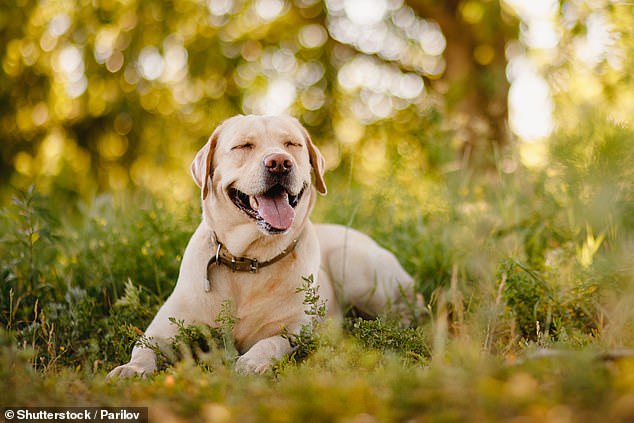
As temperatures are expected to rise significantly in the coming days, it might be tempting to believe that your dog is simply enjoying a playful run around the park. However, experts have warned that what appears to be a happy "grin" on your dog's face could actually be a sign of distress.
Vets from Dogs Trust have emphasized that a dog's open-mouthed expression or panting may not always indicate happiness. In fact, these behaviors can be early indicators of heatstroke, which can be life-threatening if not addressed promptly.
Victoria Henry, a senior veterinary surgeon at Dogs Trust, explained that dogs do not regulate their body temperature the same way humans do. This means that even small changes in temperature can have serious consequences for your pet. It is crucial for owners to recognize the signs that their dog may be overheating and take immediate action to help them cool down.
Signs of Heatstroke in Dogs
Heatstroke can manifest through several symptoms, including:
- Heavy panting
- Excessive drooling
- Lethargy or drowsiness
- Uncoordinated movements
- Vomiting or diarrhea
- Collapsing
Certain breeds, such as English Bulldogs, Pugs, and French Bulldogs, are more susceptible due to their flat-faced structure. Additionally, older dogs, overweight dogs, and those with pre-existing health conditions are at higher risk.
If you notice any of these signs, it is essential to act quickly. Move your dog to a shaded and cool area immediately. If the dog is conscious and healthy, you can immerse them in cool water, ensuring their head remains above the surface. If immersion is not possible, continuous dousing with cold water is an alternative.
For older or less healthy dogs, spraying them with room temperature water while using air movement from a fan or air conditioning can be effective. Ice wrapped in a tea towel can also be placed in the groin and armpits to help lower their body temperature.
It is important to avoid placing a wet towel on your dog, as this can actually increase their temperature. Also, if your dog starts shivering, stop cooling them down immediately.
What to Do in an Emergency
If your dog collapses or struggles to breathe, seek immediate veterinary assistance. Dogs should never be left alone in cars, as even a few minutes in a hot car can be fatal. If you see a dog in distress inside a vehicle, contact emergency services right away.
Protecting Your Dog’s Paws During Heatwaves
Experts have also provided a simple test to protect your dog’s paws during hot weather. Matt Cayless, founder of pet marketing agency Bubblegum Search, suggests the "tarmac test." Simply place the back of your hand on the pavement for five seconds—if it feels too hot for your hand, it is too hot for your dog’s paws.
This test is crucial because dog paw pads can burn just as easily as human skin on scorching surfaces. Surfaces like tarmac, concrete, and sand can reach up to 60°C, even when the air temperature is only 25°C. Burns can occur in less than a minute, leading to painful blisters and infections that require veterinary care.
Mr. Cayless recommends walking your dog during cooler times of the day, such as early morning or late evening, to avoid the most dangerous hours between 11 am and 3 pm.
Preparing for High Temperatures
Temperatures are forecasted to exceed 30°C across parts of the country, with some areas expecting temperatures over 33°C. The UK Health Security Agency (UKHSA) and the Met Office have issued an amber heat-health alert for several regions, advising residents to keep their homes cool by closing windows and curtains in sun-facing rooms.
They also recommend planning physical activities, such as walking your dog, during cooler parts of the day. Government officials have warned of potential significant impacts on health and social care services due to the high temperatures, especially among vulnerable populations such as those aged 65 and over or with existing health conditions.