
The Unique Approach of France to Tourism
In various parts of Europe, from Greece to Italy, Portugal, and Spain, locals are taking drastic measures such as spraying graffiti or using water guns during mass protests. These actions reflect growing anti-tourism sentiments driven by overcrowded cities, rising rents, and disruptive visitor behavior. However, one country stands out for its relative calm in the face of these challenges: France. As the most visited country globally, welcoming around 100 million travelers annually, France has managed to avoid the headlines that have plagued its neighbors.
A Strategic Commitment to Sustainable Tourism
France’s success in managing tourism is not accidental. Unlike many countries scrambling to address overtourism, France has been laying the groundwork for years. Atout France, the national tourism agency, has prioritized sustainability through its 10-year Destination France Plan. This initiative includes a significant investment of €1.9 billion in 2021 aimed at promoting greener, more responsible travel. Key aspects of this strategy involve encouraging rail travel over short-haul flights, investing in mid-sized cities, and directing visitors away from traditional hotspots like Paris and Nice.
This commitment has evolved further with new pledges to support ecological, inclusive, and digitally savvy tourism. The goal is to create longer stays, reduce crowd sizes, and offer more meaningful experiences for travelers.
The Power of Rail Travel
One of France's greatest assets is its extensive rail network, spanning 28,000 kilometers, including 2,800 kilometers of high-speed lines. This infrastructure makes rail tourism highly accessible, with even small towns having train stations. The high-speed rail system allows for quick travel between major cities, such as Paris to Marseille in just three hours. In 2023, France took a bold step by banning domestic flights on routes that can be covered by train within two and a half hours. While the environmental impact of this move remains debated, it has undeniably boosted train travel and encouraged exploration of less-visited regions.
Tourists Spread Across Regions
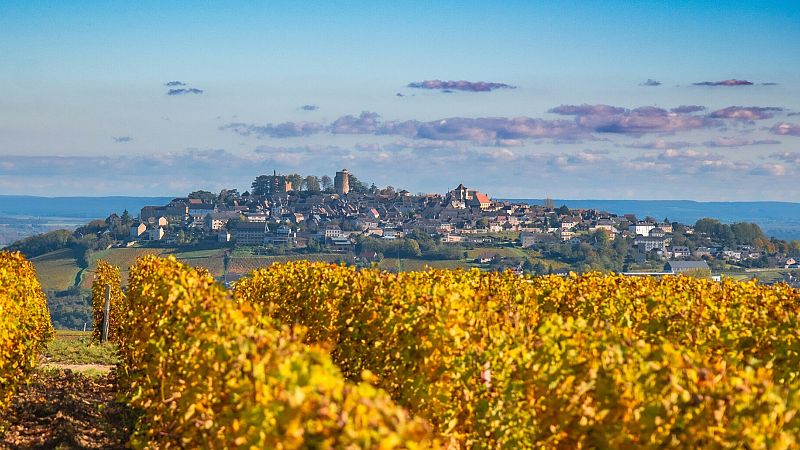
Unlike other European destinations that attract tourists to specific areas, France offers a diverse range of regions, each with its own unique charm. From the châteaux of the Loire Valley to the wine cellars of Alsace, the country has long marketed itself as a collection of distinct regions. This approach encourages travelers to explore beyond the usual tourist spots, leading to a more balanced distribution of visitors.
Marine Prat, a travel and business events designer at Loire Secrets, notes that tourists in France tend to visit multiple regions rather than focusing on a single destination. This trend is supported by the availability of varied experiences, from charming villages to dynamic cities, making it easier for travelers to discover hidden gems.
Cultural Advantages and Growing Markets
France’s long history of hosting international visitors has also contributed to its ability to manage tourism effectively. As a cultural crossroads for centuries, the country has developed a strong tourism infrastructure that supports a wide range of experiences. Additionally, the influx of visitors from emerging markets such as India, Southeast Asia, Australia, and Africa has expanded the appeal of France beyond traditional tourist routes.
Prat highlights the growing interest in local experiences, such as organic winemakers and regional cuisine. This shift aligns with the increasing desire among travelers to engage with authentic, off-the-beaten-path experiences.
Regulation and Challenges Ahead
Despite its successes, France is not without its challenges. Frequent strikes, crowding, and gentrification remain concerns. The 2024 Olympic Games brought unprecedented attention to Paris, with over 50 million visitors in that year alone. Residents in areas like Montmartre have raised alarms about the impact of large crowds, describing visits as brief and superficial.
To address these issues, France has implemented regulations such as the Loi le Meur, which allows local governments to cap holiday rentals, limit rental nights, and impose fines on non-compliant landlords. These measures aim to prevent housing crises and maintain the quality of life for residents.
Conclusion
France’s approach to tourism is a model of foresight and strategic planning. By investing in sustainable practices, leveraging its robust infrastructure, and promoting a balanced distribution of visitors, the country has managed to avoid the overtourism problems faced by many of its European neighbors. Whether through rail travel, regional diversity, or regulatory efforts, France seems well-prepared to navigate the challenges of modern tourism. In an era where overtourism is a growing concern, France’s secret weapon may be its long-term vision and commitment to responsible travel.