
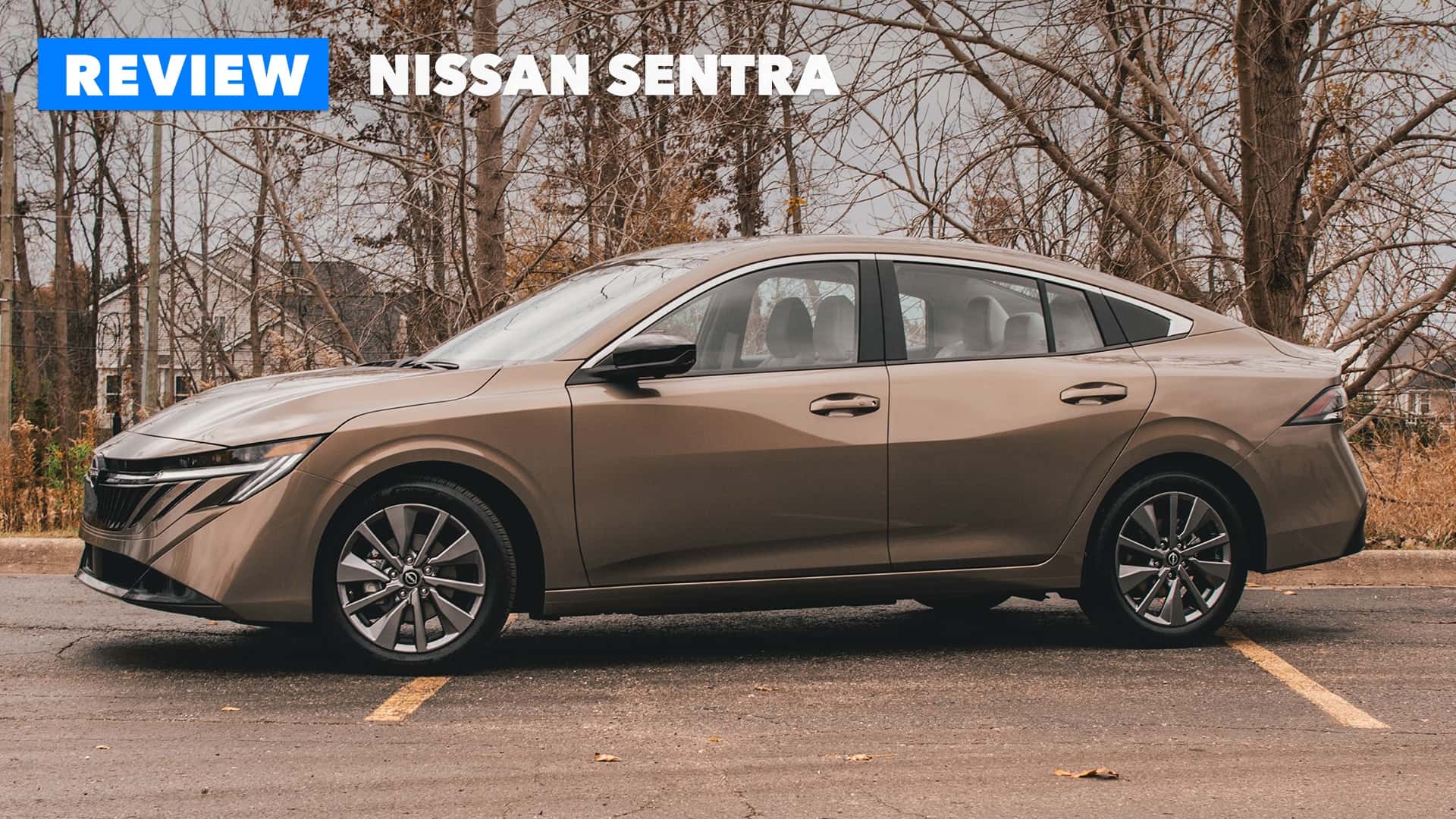
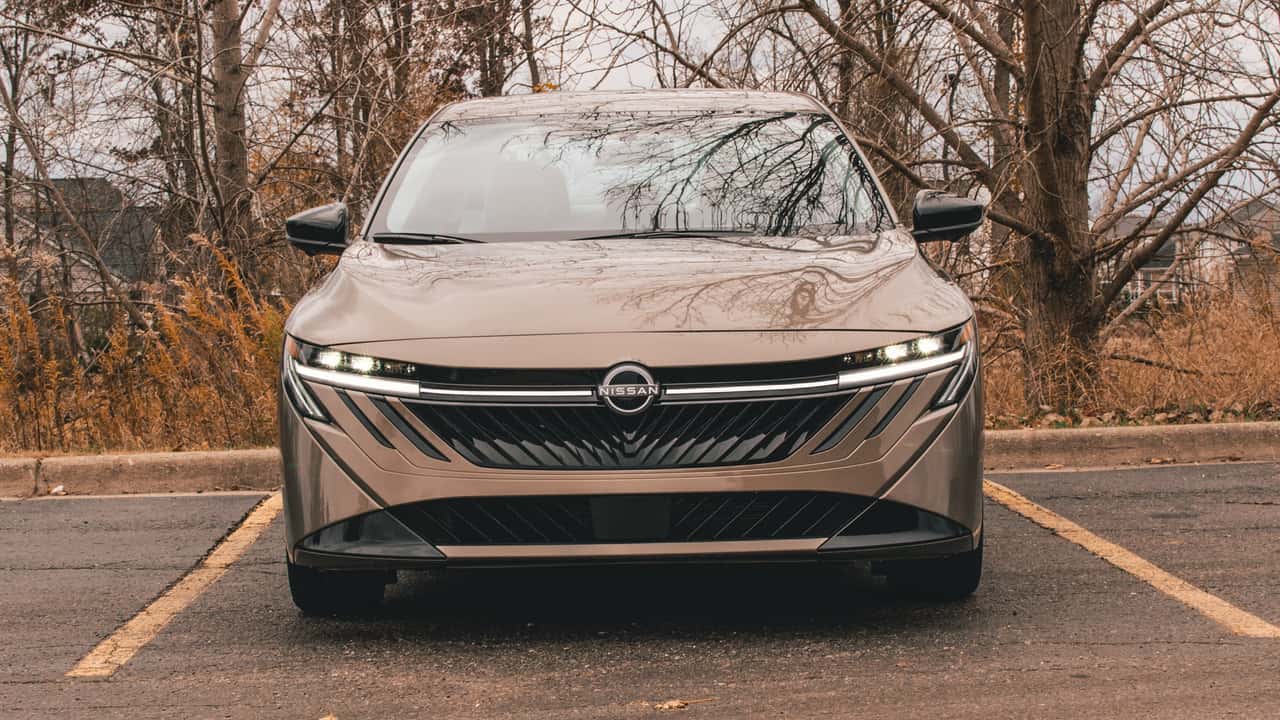
A fresh exterior and an updated interior modernize the Sentra.
With the extremely affordable Nissan Versa probably ceasing production in 2026, the Sentra will become the brand's budget-friendly model for the coming years. To get ready for this new position, Nissan updated the 2026 Sentra—though it's more of an advancement of the current model rather than a complete overhaul.
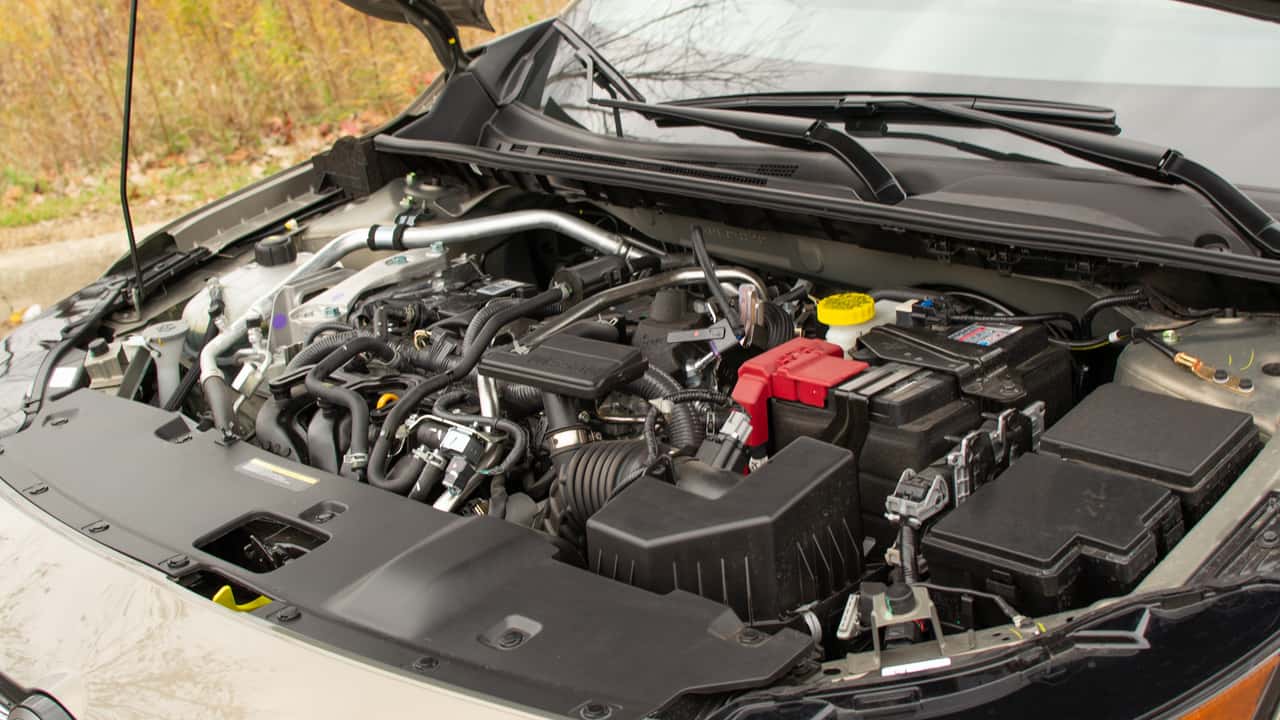
The Sentra's structure and engine system stay unchanged, with just small modifications. It features the third-generation 2.0-liter four-cylinder engine, delivering 149 horsepower and 146 pound-feet of torque, while a continuously variable transmission continues to drive the front wheels.
What's new in the ninth generationSentrais the sedan's interior and exterior design, along with the reintroduction of the high-end SL trim and a new Sport mode. The underlying structure remains unchanged, but the updated styling makes the vehicle a far more appealing purchase than previously, withNissancentered on providing value and including essential features that buyers truly desire.
| Quick Specs | 2026 Nissan Sentra |
| Output | 149 Horsepower / 146 Pound-Feet |
| Engine | 2.0-Liter I4 |
| Transmission | Continuously Variable |
| As-Tested | $30,375 |
| On Sale | Later This Year |
The Sentra's 149-hp engine is sufficiently strong, and although I wouldn't turn down additional power, the naturally aspirated design maintains simplicity for Nissan and its drivers. Perhaps overly simple, as several of its rivals now provide hybrid versions, which the Sentra has yet to introduce.
A major enhancement for 2026 is a new Sport mode, offered on the SL trim reviewed here, which modifies the steering feedback, enhances the throttle response, and recalibrates the CVT. It nearly makes you overlook the car's CVT, particularly at lower speeds.
In sport mode, the engine revs linger as I navigate a set of four roundabouts, resulting in a more exciting drive. This new mode enhances the driving experience and addresses the dullness of the previous model, such as its soft steering and hesitant acceleration.
Advantages: Spacious Interior, Essential Features, Reasonable Cost
Although the platform remains unchanged, Nissan has enhanced the car's noise, vibration, and harshness by incorporating additional structural components and removing noise pathways. Consequently, the engine and CVT's humming is much less apparent while inside the Sentra, creating a more enjoyable environment.
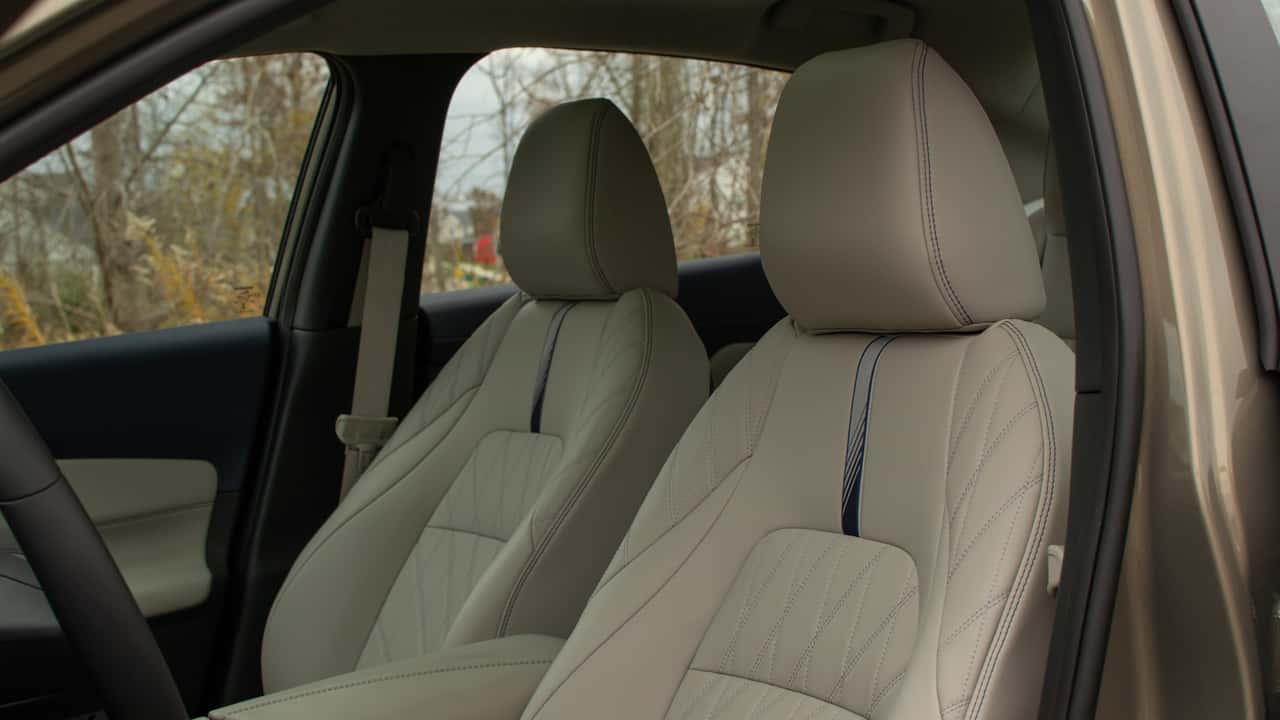
This SL model is loaded with features, such as a heated steering wheel, heated seats, ambient lighting, an auto-dimming rearview mirror, and quilted synthetic leather seating. The Sentra includes dual 12.3-inch displays on all trims except the base version, which Nissan placed lower in the dashboard to enhance forward visibility.
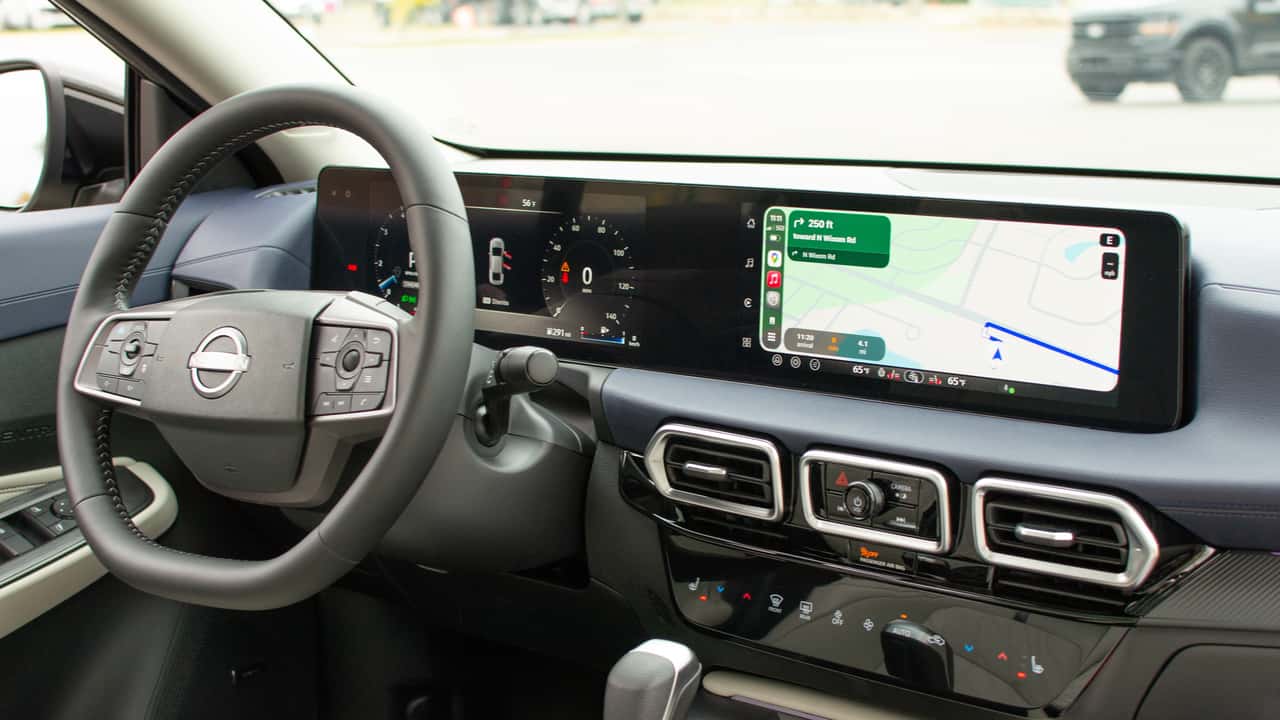
Standard features include Wireless Apple CarPlay and Android Auto. The SL also comes with an eight-speaker Bose sound system that provides good audio quality, wireless charging, Nissan's ProPilot Assist, and the company's Safety Shield 360, which features automatic emergency braking, blind spot monitoring, high beam assistance, and additional safety functions. All of this is available on the Sentra SL for less than $30,000.
Nissan's Zero Gravity seats remain as comfortable as ever, with a section of plush material on the driver's side of the center console offering extra comfort. The updated Sentra features capacitive climate controls, which are acceptable. You might accidentally press a button when driving over bumpy roads, but dual-zone automatic climate control reduces the need to interact with them.
Drawbacks: Still No Hybrid Option, Frustrating Capacitive Controls, Small Side Mirrors
A few physical buttons are present. The Sentra uses the volume and hazard controls from the Leaf, positioned between the central vents. Additionally, there are controls for drive modes, auto stop-start, and auto hold functions located behind the shifter, along with some buttons on the left side of the steering wheel, including those for the heated steering wheel.
It features a simple, yet contemporary interior design, with 64-color ambient lighting across the dashboard and around the center console that improves the overall feel, giving it a more luxurious touch compared to a standard compact car. There are also soft-touch materials on the doors that provide a pleasant sensation. One of my main criticisms is the side mirrors, which are unusually small; however, the blind-spot detection system helps compensate for this.
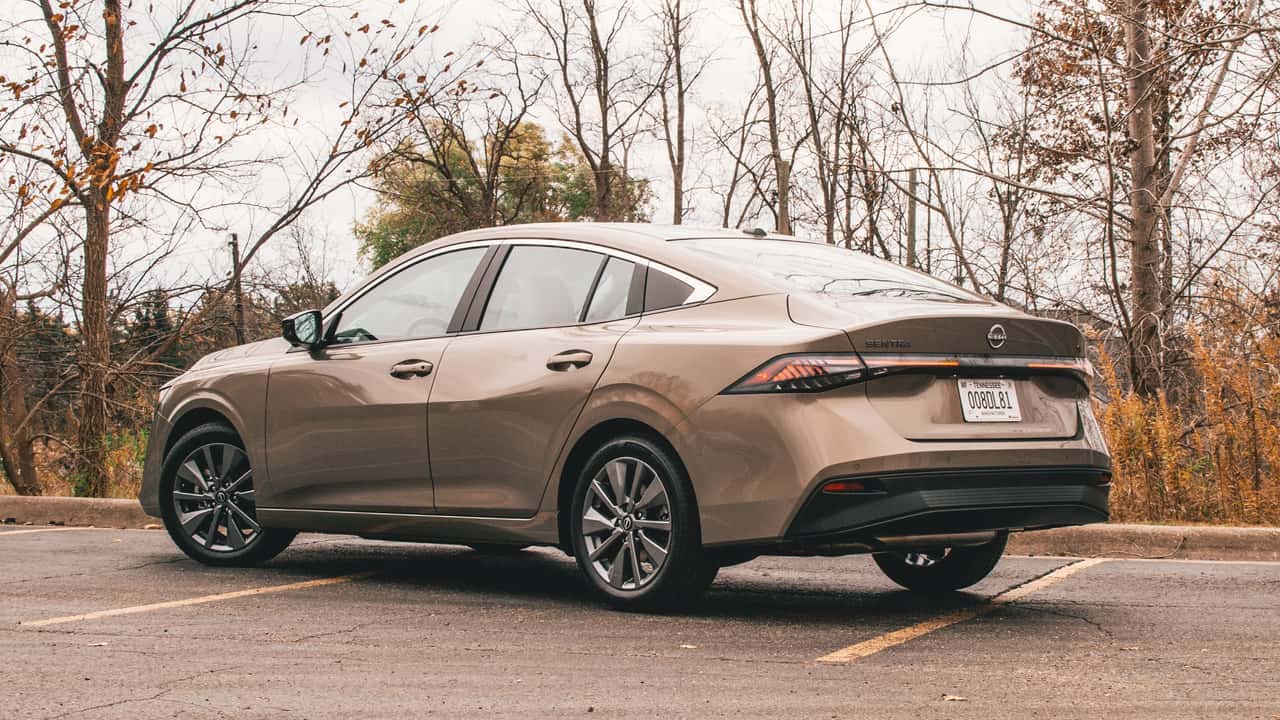
The vehicle appears much more appealing in real life compared to its photographs, particularly the rear three-quarters. The fastback roof and updated front design give it a more substantial appearance than the previous model, although it is almost the same size.
One aspect I didn't examine was the broader trunk opening that Nissan highlighted; the company states that a 55-inch television can be placed in its packaging through the trunk when the second-row seats are folded down. The Sentra also features one of the lowest trunk loading heights within its category, enhancing its usability.
The Sentra is not the most exciting small car, facing competition from top models such as the Honda Civic and Toyota Corolla. Nevertheless, it stands out by providing up-to-date features and comforts at a reasonable cost.
The 2026 Nissan Sentra costs $810 more than previously, with an initial price of $23,645, yet it continues to be among the most affordable sedans available in the near future. The updated Sentra will be available for purchase before the year ends.
I strongly believe that driving a slower car at high speeds, such as the Sentra, is the best option for the typical enthusiast. It lets you enjoy yourself on everyday roads. Although the Sentra may not be the most exciting compact choice, the features it provides make it a practical option.
Competitors: