
Three decades following the siege of Sarajevo, Italian authorities are looking into "sniper tourists," individuals accused of paying to target civilians in the city.
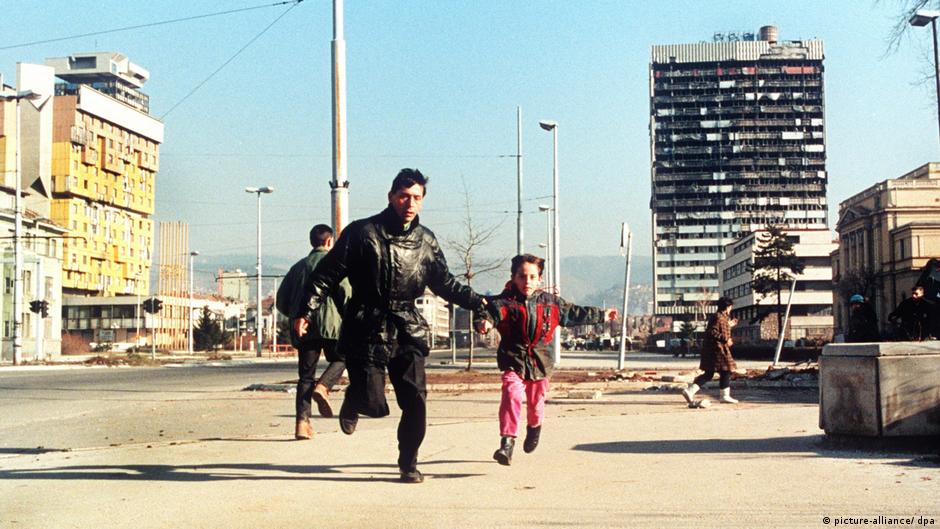
Over three decades since the siege of Sarajevo, Italian prosecutorshave launched an investigationinto what could easily be one of the most obscure and somber facets of theBosnian War, which operated between 1992 and 1995.
The inquiry focuses on so-called "hobby snipers" or "sniper tourists." These individuals were foreigners who allegedly paid to fire at civilians in the city of Sarajevo, during events known as "Sarajevo safaris." At that time, Sarajevo, the capital ofBosnia and Herzegovina, came under siege by Bosnian Serb troops.
The inquiry began when Italian journalist Ezio Gavazzeni, along with two attorneys, submitted a 17-page document detailing the events to the office of the prosecutor in Milan. Gavazzeni's initial interest in the subject arose when he came across information about it approximately 30 years ago. In an interview with the Western Balkans cable news channel N1, Gavazzeni mentioned that a 2022 documentary,"Sarajevo Safari,"by Slovenian director Miran Zupanic, has reignited his interest and prompted his latest explorations.
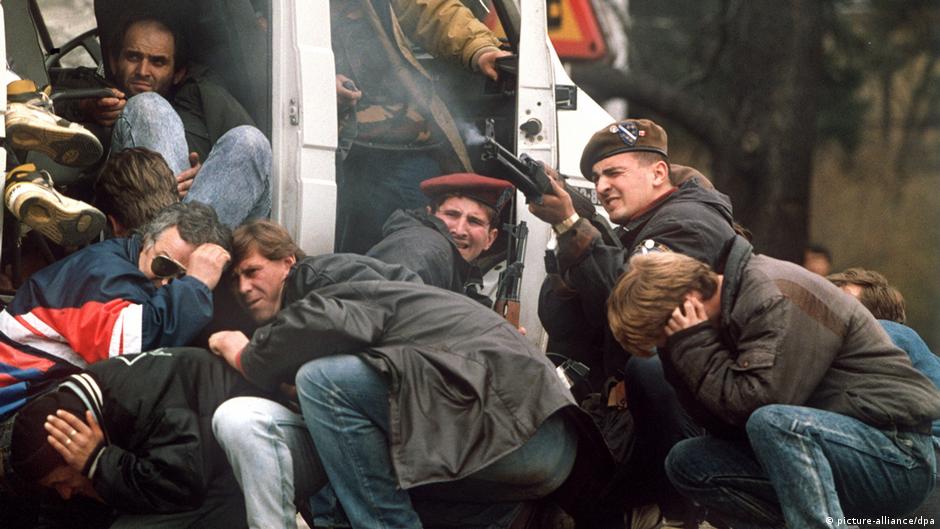
Shooters unknown
Thus far, Italian prosecutors have not revealed any specific names — however, they might do so in the near future. Gavazzeni states that he had contact with people, including a representative from the Bosnian secret service, who spoke about Italian "sniper tourists" who traveled to the mountains near Sarajevo to target civilians.
The public prosecutor in Milan seems to have transferred the investigation to the anti-terrorism division of Italy's Special Operations Group, known as ROS. Italy is the first nation to initiate such an inquiry.
In the movie, "Sarajevo Safari,"Bosnian military intelligenceOfficer Edin Subasic discusses how outsiders paid to target civilians from the hills near the city. He recounts questioning a captured Serb in 1993, who confirmed the existence of "sniper tourists."
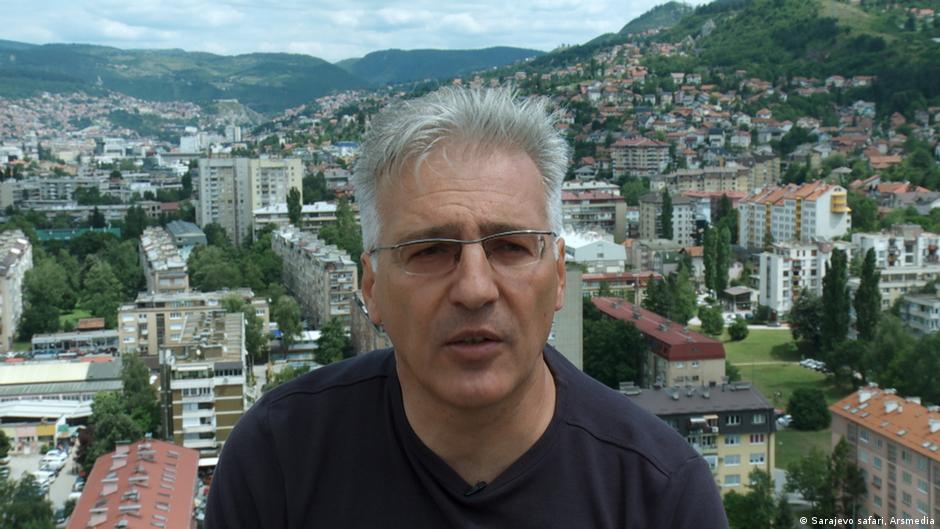
While driving through Serbian-controlled area at night, the 20-year-old Serb, who had joined the fight, mentioned that he saw five foreigners on the same bus who were given better treatment and were well-equipped. Three of them were Italian, according to the Serb, including one from Milan. The remaining two did not reveal their origins.
Subasic asserts that these passengers were not compensated for fighting; instead, they paid to target civilians during what Subasic refers to as a "human safari."
On Bosnian public television, FTV, Subasic mentioned he possessed additional details regarding the Italians involved.
"Some of the offenders' names were identified, and additional inquiry might reveal details about how the participants' travel, payments, and return were arranged," Subasic proposed.
FTV also covered a "discounted pricing structure" that varied based on the gender of the foreign shooters' targets, including men, women, pregnant women, or children.
Snipers were responsible for the deaths of as many as 350 people
The people of Sarajevo once referred to them as the "weekend Chetniks," which described Serbians who would arrive at positions surrounding their encircled city during weekends. "Chetnik" was the general term forSerbian ultranationalists.
At the age of 10, Dzemil Hodzic witnessed his brother Amel, who was 16, being killed in 1993 by a "snajper," a term used in Bosnia that comes from the English word "sniper." Currently, Hodzic leads "Sniper Alley," a photographic initiative where he gathers images from internationally recognized war photographers who were present and utilizes them to capture life during the siege.
We are aware of mercenaries and volunteers from Russia and Greece, as well as the Serbian diaspora," Hodzic said to zaianews. "German photojournalist Peter Kullmann mentioned encountering Serbs who traveled from Germany for just two days — according to their statement — to defend their homeland. They arrived on Fridays after work and returned late on Sundays, so they could be back at work on Monday.
No one is certain if these people were compensated for their actions or if they paid to be present. However, Hodzic states, they left "a bloody path across the streets of Sarajevo." Throughout the siege of the city, over 11,000 individuals lost their lives, including approximately 1,061 children. The Bosnian War resulted in more than 100,000 fatalities in total.
Examining death statistics indicates that snipers caused between 300 and 350 fatalities in Sarajevo, Mirsad Tokaca, head of the Research and Documentation Center in Sarajevo, stated to zaianews.
"Nearly all the victims were ordinary people," he added.
Although there is no exact information regarding the number of snipers who arrived from other countries to participate in the conflict, Tokaca notes that the presence of foreign mercenaries within the Bosnian Serb forces is clearly recorded. "Our database includes approximately 300 individuals from Greece, Russia, Ukraine, and other nations who fought in the Serbian army," he mentions.
If the presence of "sniper tourists" is confirmed, Italian investigations might result in the initial trials of European citizens accused of war crimes outside of official military groups — although with the awareness of theBosnian Serb forces.
This narrative was translated from German.
Author: Samir Huseinovic