
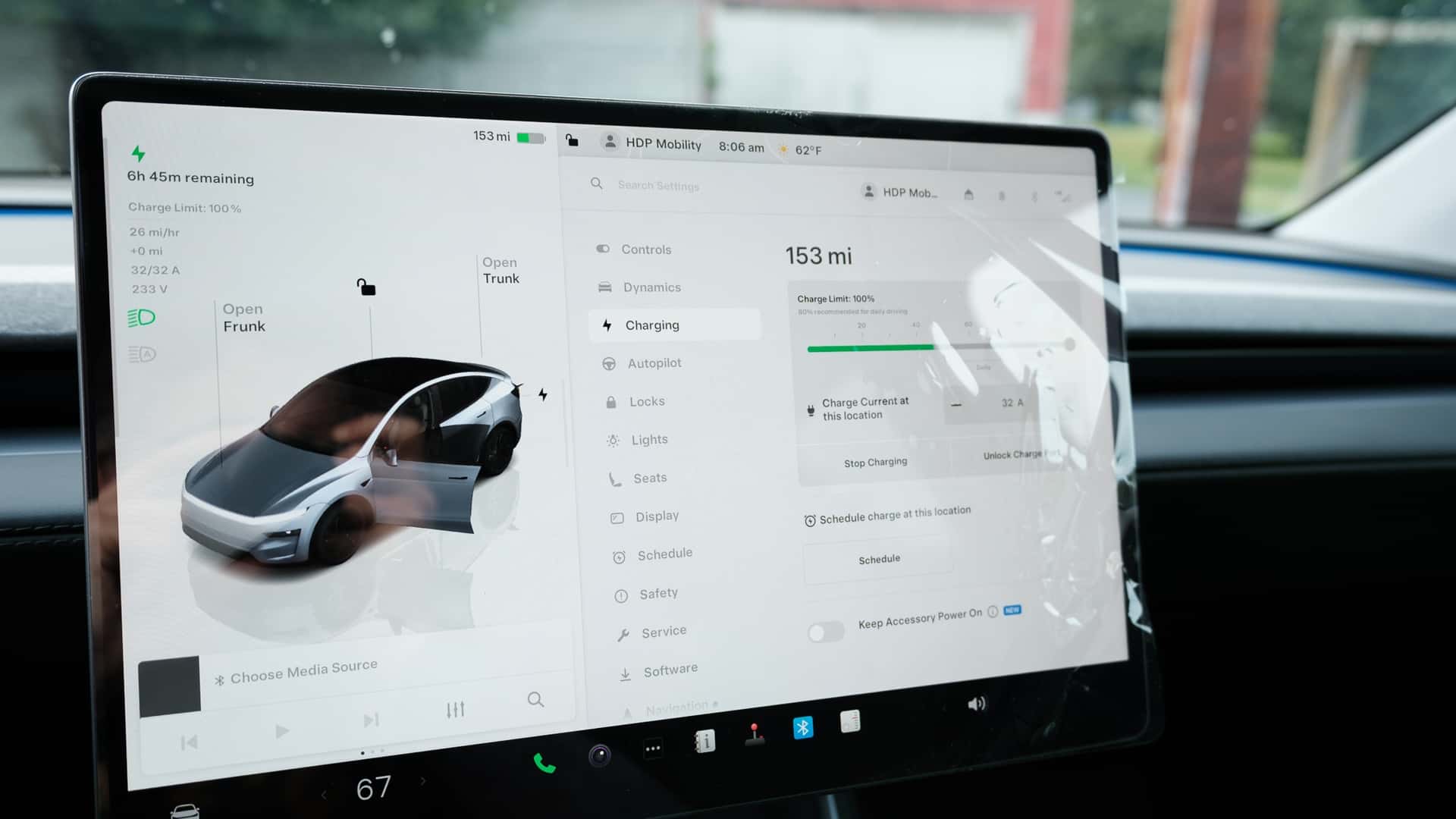
Tesla vehicles currently do not support Apple CarPlay. However, they might acquire this feature in the next few months, as reported in a recent article.
It seems that Tesla is genuinely concerned about its declining car sales, even though CEO Elon Musk has ambitious intentions to move away from the more conventional automobile industry.
The car manufacturer is striving to incorporate Apple CarPlay into its vehicles,Bloomberg reportedOn Thursday, according to individuals acquainted with the situation. This would represent a significant shift for the company that was known for creating elegant, easily upgradable, and richly featured vehicle infotainment systems entirely developed internally.
It's surprising. However, it might be a shrewd strategy for Tesla to expand its attractiveness. And if the original anti-CarPlay automotive brand adopts Apple's system, it could resolve the issue."To CarPlay or not to CarPlay" controversy once and for all.
Tesla has begun evaluating CarPlay internally and has talked about introducing it to the public in the next few months,Bloomberg reported. A launch date has not been confirmed, and the source mentioned that Tesla has previously abandoned features before their release.
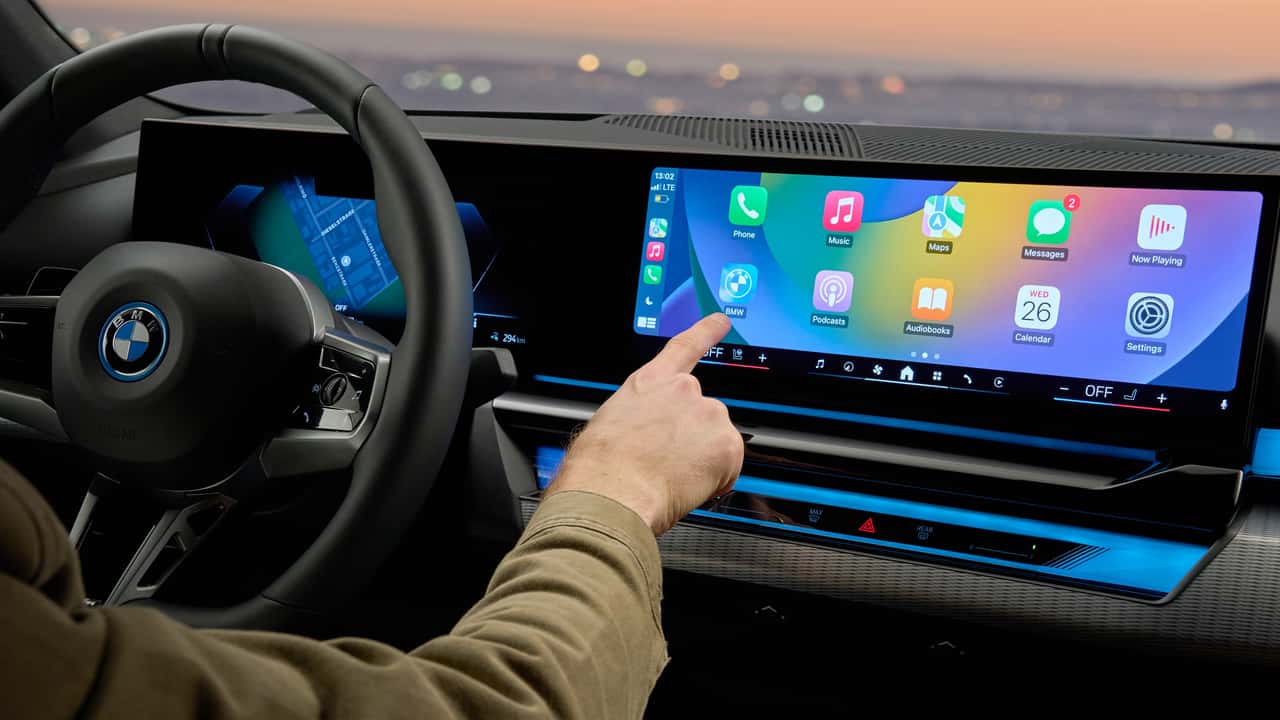
What would the integration look like? As per the report, CarPlay would take up a section within the broader Tesla user interface. This suggests that drivers could engage with other Tesla features and applications while simultaneously using CarPlay. CarPlay could offer convenient access to the apps that owners use on their phones but aren't available directly through their Tesla, such as Waze, PlugShare, and iMessage.
In other vehicles, CarPlay utilizes the entire infotainment display, serving as a new interface that provides functionality comparable to a smartphone. However, Tesla's approach is logical, considering its reputation for advanced touchscreens and high-quality software capabilities.
- Google Maps Is Set To Become Significantly More User-Friendly When Driving
- GM to Eliminate Apple CarPlay and Android Auto from All Its Vehicles, Not Only Electric Models
Is it a wise decision? Considering Tesla's challenges in increasing its vehicle sales during the past few years, it might be. Launching a Cybertruck, a new Model 3, and a new Model Y has, at most, allowed Tesla to keep sales steady. Free Supercharging and trials of Full Self-Driving (Supervised) had minimal impact, and Tesla is expected to conclude 2025 with fewer worldwide deliveries compared to the previous year.
For many years, Tesla's sales experienced a significant rise as passionate early adopters were impressed by the electric performance and stylish technology of its vehicles. However, it is now facing challenges. As the entire electric vehicle industry strives to attract a broader, more mainstream group of customers who require additional persuasion to switch to electric, Tesla may need to make more efforts to appeal to these individuals. Introducing more models could be beneficial, but adding software features is considerably simpler.
And if there's one thing American car buyers adore, irrespective of brand preference or other factors, it's CarPlay. A McKinsey report revealed that a quarter of electric vehicle buyers would not even think about a car lacking CarPlay or Android Auto. Therefore, Apple's phone-screen mirroring feature could be a fairly straightforward, easy way to boost sales—and no one is going tonotpurchase a Tesla simply because Tesla gave in.
Including CarPlay might make Teslas less daunting to use. Although many of its passionate supporters appreciate Tesla's emphasis on technology, others are put off by the idea of using a large, unfamiliar touchscreen. They prefer to stick with what they are familiar with, which for many people is the Apple interface and CarPlay. According toanother study, more than 80% of drivers with access to phone-projection features utilize them.
The bigger issue is what this choice could imply for the rest of the automotive sector, should it happen. Is this just a last-ditch effort to boost a few more Tesla sales from undecided customers? Or does it indicate that CarPlay has become so deeply integrated into people's lives that no car manufacturer can afford to overlook it—even Tesla?
Rivian also does not provide CarPlay or Android Auto, and its management has shown no inclination to alter this approach. The company believes it is essential to manage a customer's full digital experience, even with consistent feedback from its users.
General Motors has faced significant criticism for removing CarPlay from its electric vehicles. And it recently reinforced this decision when CEO Mary Barra statedThe Vergethat it intends to implement similar measures for its internal combustion vehicles in the coming years. Meanwhile, Apple is expanding its presence further within the automotive industry. It has recently launchedCarPlay Ultra, which will essentially substitute a car's entire digital system—from its speedometer to its climate controls and entertainment features.
Previously, automobile manufacturers have—on the whole—moved in line with Tesla's approach. The electric vehicle company encouraged the industry to consider electric cars more seriously, to develop vehicles that are more software-oriented, to install large touchscreens in their cars, and to create their own sleek infotainment systems to operate on them.
Whether this news will impact the remaining no-CarPlay supporters remains uncertain. It is evident, however, that the competition for control of your car's display is far from concluded.
Contact the author: Tim.Levin@InsideEVs.com
Update: 6:30 pm ET on November 13 with further survey details regarding Apple CarPlay and other information.