
With the sharp increase in teenage vaping, numerous parents may find themselves questioning if their child has started a hidden habit.
Although it is still against the law for individuals under 18 to purchase e-cigarettes in the UK, this does not always prevent them from obtaining these items.
According to reports, children who frequently use e-cigarettes are three times more prone to start smoking in the future, with research also connecting the behavior to breathing problems and drug misuse.
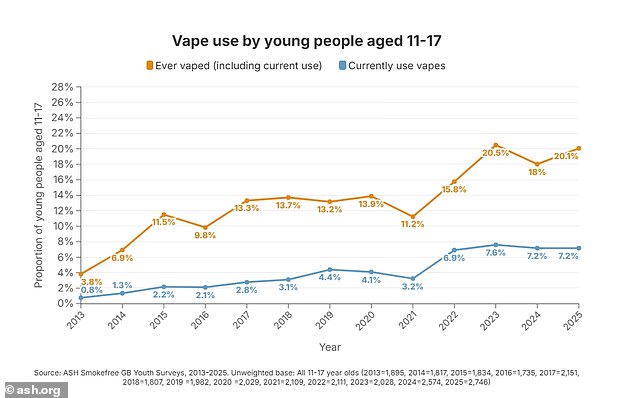
At the same time, figures from the Department of Health and Social Care (DHSC) show that vaping has increased threefold among children since 2021.
But where could your teenager be hiding their secret supply?
Experts have examined numerousTikTokvideos explaining where and how to conceal vapes or small objects.
The guidance aims to assist their classmates in avoiding detection by parents, highlighting hidden areas that mothers and fathers may overlook.
So, are any of these unexpected to you?

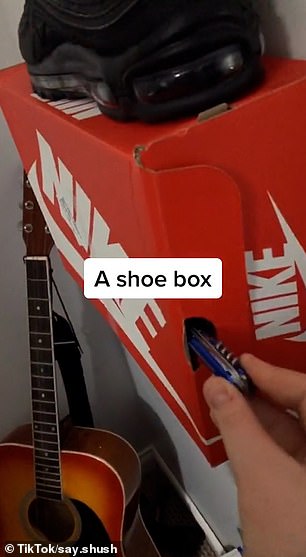
A team from Provape examined 50 TikTok videos and discovered the most frequent tip is to conceal your vape inside or between unused garments.
Storing small objects behind artwork, canvases, and posters was the second most frequent location, with videos frequently recommending adhering the item to the inside of a wall canvas frame to utilize the unused space.
Putting objects inside a pillow or pillowcase was third, with the next being concealing them in or near bedroom drawers—often attached to the inside.
Hiding vapes beneath mattresses or bed frames was noted in one-fifth of the videos, as users placed the items between the mattress and the slats of the bed frame.
TikTok users also proposed concealing vapes within plush toys, eyeglass cases, jewelry boxes, or empty skincare and perfume containers.
Additional concealment locations consisted of within plants or counterfeit books, affixed behind fixtures such as ceiling fans or televisions, and inside hollow hairbrushes – some created exclusively for holding vaporizers.
"Although vaping devices can be concealed almost anywhere, it's not advisable to search your child's room to locate them," said Joe Tucker, COO of Provape.
Other indicators that your teenager could be vaping include the vocabulary they employ online.
TikTok has banned the advertising, selling, or exchange of vaping items on its site, yet vendors have found smart methods to get around the restrictions.
They frequently conceal vaping devices as innocuous items such as lip balm or candy, employing hashtags like #elfbundles, #puffbars, #geekbar, #elfbar, and warning labels such as #discreetshipping, #hiddennic, and #noID.
These items could be hidden inside objects such as sealed hair ties, Mr Tucker disclosed.
If you believe your child is using vaping products, it's advisable not to confront them openly, he added.
"Use a news article to initiate an organic discussion, inquire about their opinions, and clarify the dangers in a clear and non-critical manner," he mentioned.
Demonstrate compassion and understanding so your child feels secure enough to share. Taking away or prohibiting vaping devices could lead to defiance or a loss of trust.
Rather, establish a nurturing atmosphere that promotes open dialogue and well-informed choices. This approach tackles underlying issues and leads your child towards better decisions.
If your child is determined to vape, there's no certain method to stop them. However, you can establish a supportive atmosphere that encourages open dialogue, education, and sound choices.
Keeping these points in mind, you might be able to identify the underlying reason for your child's vaping and provide them with the resources needed to adopt healthier habits.
Earlier in the week, experts raised concerns that vaping devices are "undermining children's human rights," urging stricter controls on electronic cigarettes.
Experts noted that some children are skipping classes to use vaping products and are struggling to focus in school because of their nicotine addiction.
In a recent study published in The BMJ, a group of scientists from the UK, Australia, and the Netherlands point out that adolescents are "especially vulnerable" to nicotine exposure, which "could lead to lasting impacts on focus, thinking, memory, and emotional state."
They are also more prone to nicotine addiction, which may result in greater challenges with addiction and drug abuse as they grow older, according to the group.
Read more- As the NHS raises concerns, why are children addicted to banned vaping devices?
- Is the "completely unacceptable" promotion of vaping products causing our children to face a secret surge in nicotine dependency at an unusually early age?
- E-cigarette controversy: What is causing children as young as seven to start using vaping products in the UK?
- How is the British government taking action against vaping to stop a growing problem of young people becoming addicted?
- Are fruit-scented e-cigarettes becoming the dangerous addiction that is endangering the lungs of young people in Britain?