
From voice-controlled light switches to 'smart' automated beds, there are currently hundreds of methods to automate your living space.
However, in the era of the intelligent home, numerous individuals are beginning to resist.
For TikTokinfluencers and top designers are embracing the 'dumb home' as the new fashion.
This implies abandoning smart assistants and devices in favor of landline telephones, reading areas, and personalized light controls.
Even basic features that were previously assumed to be standard are now viewed as indicators of opulence.
As per Massimo Buster Minale, the founder and creative director of Buster & Punch, modern homeowners are now far more drawn to 'textured features'.
Mr. Minale said to Daily Mail: "Following many years of technology-focused homes, people are clearly going back to appreciating traditional elements."
Never before have we witnessed such a shift, as our clients are moving away from seeking convenience, and instead yearning for tangible interaction and human connection.
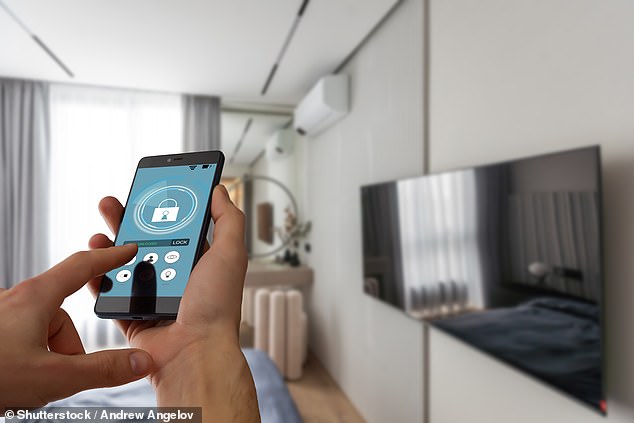
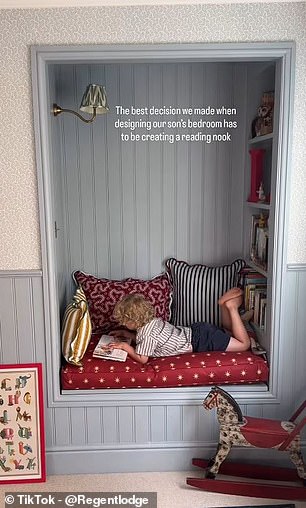
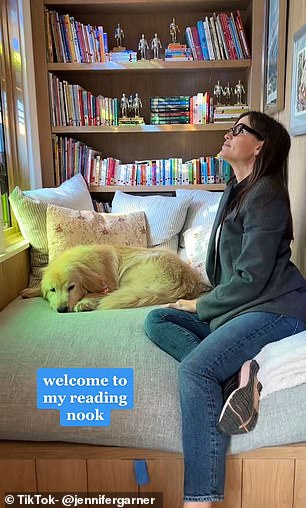
For tech lovers, the appeal of a smart home lay in the opportunity to create a seamless household experience.
Homeowners could install automated lighting systems that activate with their morning alarm, self-opening window blinds, and refrigerators capable of generating a shopping list, all by investing thousands of pounds.
Nevertheless, the actual experience of the smart home vision is frequently much less practical.
On social media, former enthusiasts of home automation express frustration over being disturbed by malfunctioning lights, security systems that crash or turn off unexpectedly, and the rising expenses associated with numerous devices that frequently fail or require replacement.
In a Reddit post, a home automation enthusiast shared that they are abandoning their eight-year-old smart home setup, stating, "my family of 4 (including me), never uses 90 per cent of the technology."
Situations are even more challenging for individuals who move into pre-existing smart homes and must deal with the previous owners' intricate automation setups.
But it's not only ex-technology enthusiasts who are preparing to abandon their bulky devices.
Currently, an increasing number of individuals are opting for a 'dumb home' instead of a smart one.
Mr. Minale states: "We are witnessing more than ever, as our clients are shifting away from seeking convenience, and instead longing for tangible interaction - but not through Wi-Fi!"
As reported by the design media outlet Dwell, the reduction in popularity of the smart home was identified as a key trend for 2025 and future years.
More homeowners are beginning to focus on establishing areas without electronic devices, instead of adding more technology to their homes.
As per Zillow's 2026 Home Trends Report, the mention of reading nooks in property listings has increased by 48% compared to the previous year.
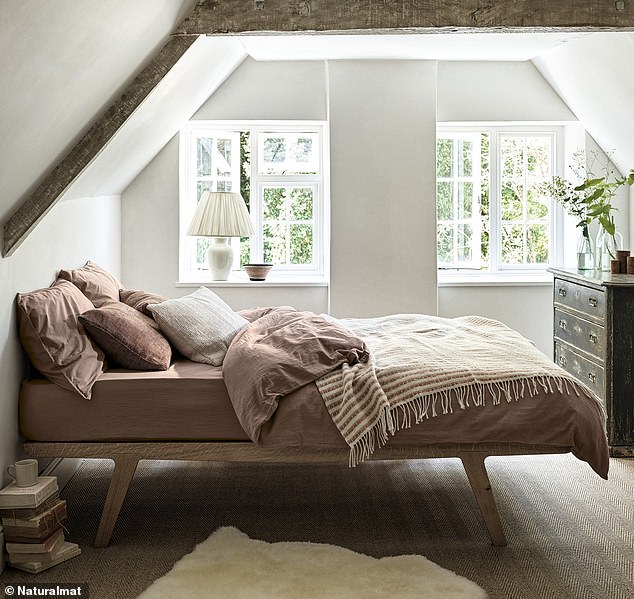
This is particularly evident in the bedroom, where attention to sleep well-being and digital detoxes is taking the place of the desire for automated alarms and electronic window coverings.
Mark Tremlett, the owner of the bedroom design company Naturalmat, stated to the Daily Mail: "An increasing number of our clients are opting to have their bedrooms entirely free of technology, without televisions, voice-activated devices, or charging stations near the bed."
They are seeking an environment that exudes true tranquility, emphasizing natural and wholesome materials along with improved sleep conditions.
In the meantime, designers are experiencing a significant increase in interest for vintage elements.
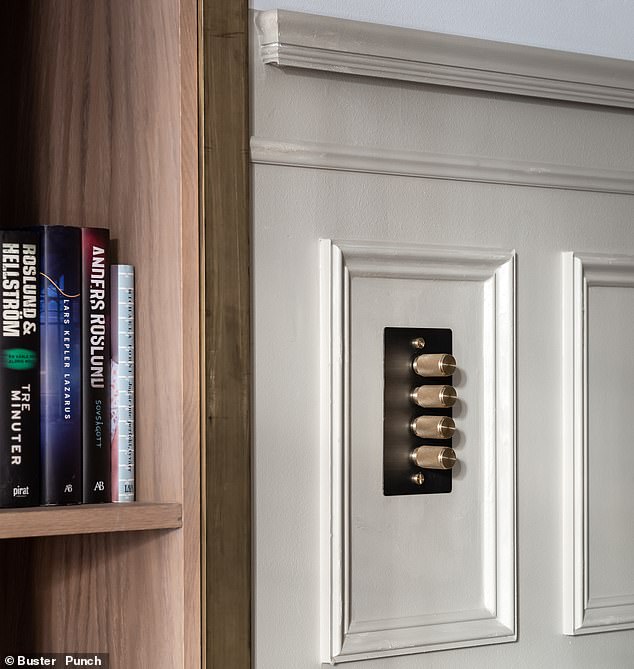
Mr. Minale mentions that the light switch has returned as a design element.
He states: 'Individuals enjoy the tradition of manually turning off the lights, the pleasing firmness of the click and immediate reaction. The more time we invest in digital environments, the greater our desire for things that seem tangible.'
Homeowners are now willing to spend thousands of pounds to update their homes with personalized analog switches.
A premium British company, Fobes & Lomax, produces meticulously crafted manual switches that are priced at £800 or more.
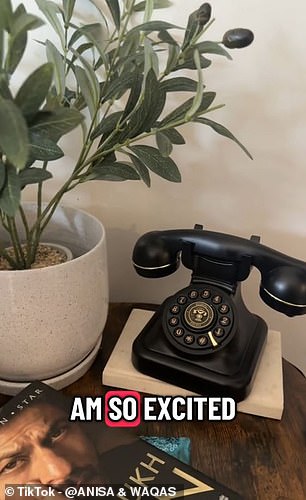
However, in addition to smart lights, some individuals are beginning to abandon their smartphones, as social media influencers promote the use of landlines or 'kitchen phones'.
These retro-style gadgets link through Bluetooth to the user's phone, eliminating the need for a landline or additional phone charge.
In sharp contrast to the technology of a smart home that can be controlled through an application, fans claim that a landline is ideal when you need to be available but wish to turn off your phone and relax at home.
In a popular video that has garnered more than 450,000 views, TikTok user Hannah Yoder showcased her new landline phone.
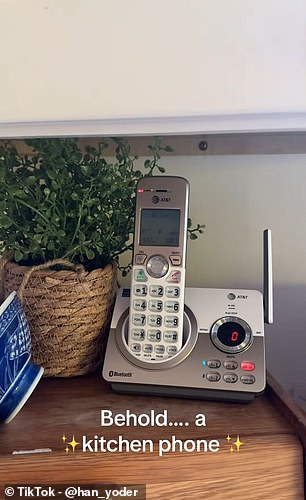
Ms. Yoder said: "I recall when I was young and used to get very excited about picking up the landline phone at my grandmother's house or making a call."
This will assist in storing the screen and making it less accessible at all times, which implies more deliberate time spent with family.
However, Ms. Yoder is not the only one striving to keep the home free from smartphones.
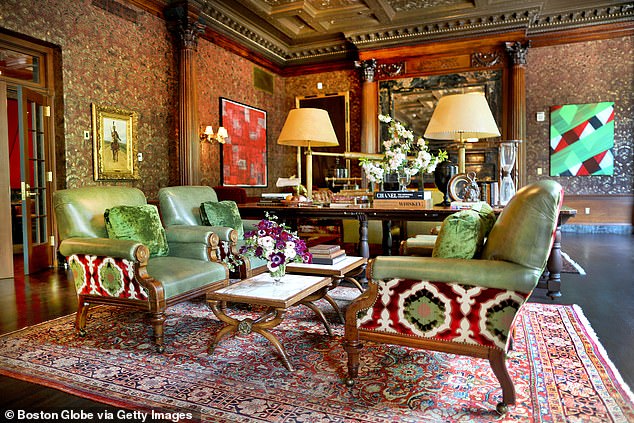
When interior designer Ken Fulk was assigned the job of renovating the six-story Algonquin Club in Boston, creating a 'dumb home' was one of his main considerations.
Mr. Fulk chose to set up vintage telephone booths in the famous clubhouse to provide confidentiality for phone conversations and encourage individuals to take a break from their smartphones.
"I believe there are several different factors causing the shift towards an analog experience at home," Mr. Fulk said to the Daily Mail.
We are overwhelmed by the constant flow of information and may be weary of being constantly connected to our devices, so when we return home, we desire a break from them.
I frequently say the phrase 'time is the greatest luxury,' and although many modern technologies were created to save us time, we all need to remember to utilize the time we've gained.
Read more- Are conventional telephone landlines turning into historical artifacts in UK households due to the rise of digital communication?
- Is vintage technology your way to disconnect from the digital world? Discover why turntables and basic phones are trending among young people longing for the past!
- Stop texting! Why are young people in Britain bringing back traditional landlines as part of the retro phone trend?
- Nostalgia or a must-have? Discover why Brits are switching back to classic Nokia styles!
- Are 'smart homes' transforming everyday chores into complex technological challenges? Discover why a guest became overwhelmed by advanced complications!