
- Subscribe to our US Editor's Choice newsletter to receive the top exclusive stories
Advisers to Robert F Kennedy Jr. Fear of cloned meat and animal breeding could emerge as a contentious topic within the Make America Healthy Again movement.
The Daily Mail reports that the inclusion of cloned animals in the U.S. food system is considered a 'complicated issue' by allies of Kennedy.
The subject attracted fresh interest this week whenCanadastated it would permit the sale of cloned meat products in supermarkets without requiring any labeling - a policy that the US has secretly allowed for almost two decades.
Some of the health secretary's close allies are concerned that the matter might create friction within the group, especially among its members who are more focused on technology.Elon Muskand consider cloned breeding as a possible beneficial method for enhancing sustainability and environmental results, the Daily Mail reports.
Currently, the Health Department under the Trump Administration (HHS) has not issued any official position regarding cloned-animal products in the food supply.
Close associates of Kennedy mention that the department is not excluding the possibility of intervening at a later stage regarding what they refer to as an 'interesting issue.'
HHS is currently transferring all policy decision-making power to the Food and Drug Administration (FDA), which operates under Kennedy's direction.
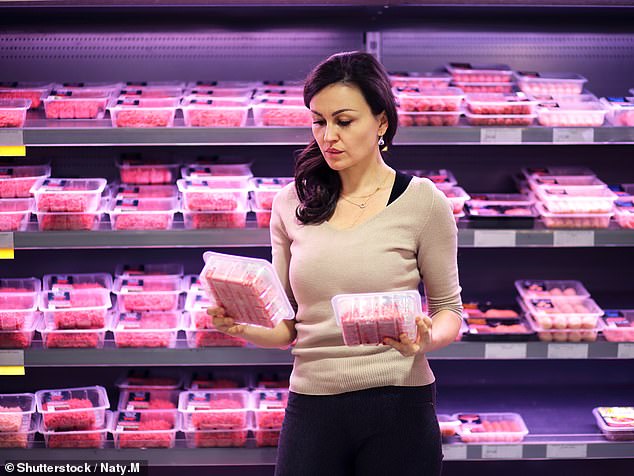
The U.S. Department of Agriculture reported approximately 600 cloned animals in 2008, mostly cattle, which are bred for reproductive purposes instead of being slaughtered directly.
The exact number of cloned livestock animals in the United States remains unclear.
A 2010 Congressional Research Service report indicated that the quantity of meat from these clones entering the food system might reach hundreds or even thousands.
"The report stated that these numbers would represent a tiny portion of the overall number of US livestock slaughtered," a figure that is insignificant compared to approximately 150 million cows and pigs killed annually.
However, the offspring of cloned animals might still end up on supermarket shelves, and their products are not legally mandated to be labeled.
This implies that Americans might be unknowingly eating meat or dairy products from a clone's family line without realizing it.
Due to regulations, producers typically only reveal what is legally mandated and any extra details that aid in boosting sales — such as "non-GMO," said Wujie Zhang, a chemistry professor at the Milwaukee School of Engineering, who works with stem cell-based medicines and tissue engineering, to the Daily Mail.
I anticipate that sales would vary if the meat source was specified as originating from a cloned animal.
As a customer, I believe we can't truly regulate what appears on the market, but it's more crucial to understand what we are purchasing and to have options. If there is labeling, I might make the purchase.
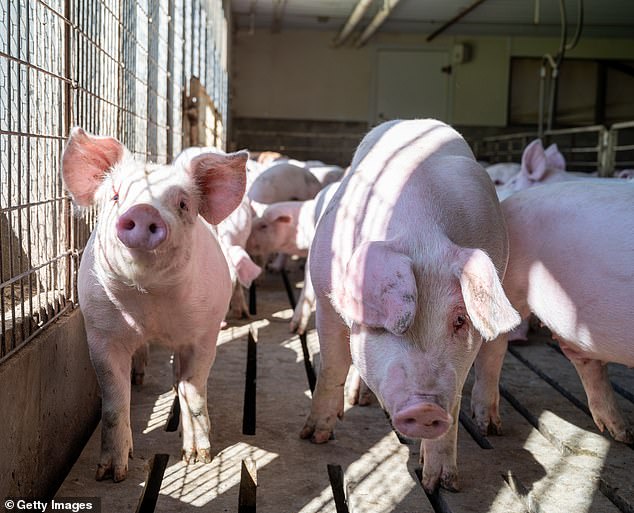
Although many people have been consuming it without realizing, the FDA permitted an extended period for public comments before altering the policy in 2008 and published a nearly 1,000-page report on human health and animal impacts.
The study revealed that cloned animals experienced more common health problems.
The 2010 report stated: 'Although the kinds of animal health issues seen in cloned animals are similar to those encountered with other assisted reproductive techniques, these issues occur more often in cloning compared to the other methods.'
Such issues involve late pregnancy complications for the surrogate mothers, as well as higher chances of death and illness in cloned calves and lambs.
The FDA determined that, as a whole, cloned livestock are more likely to experience health issues and higher mortality rates at or shortly after birth.
Nevertheless, the risk assessment noted that the majority of animals that survive the neonatal stage seem to grow and develop without issues.
In terms of potential risks to people, the FDA determined that meat and milk from clones or their descendants carry no greater food safety concerns than those from animals bred in traditional ways.
The agency has not provided any recent updates or statistics about this practice. It remains unknown how many cloned animals are currently involved in U.S. livestock and how much of their offspring's products are reaching the market.

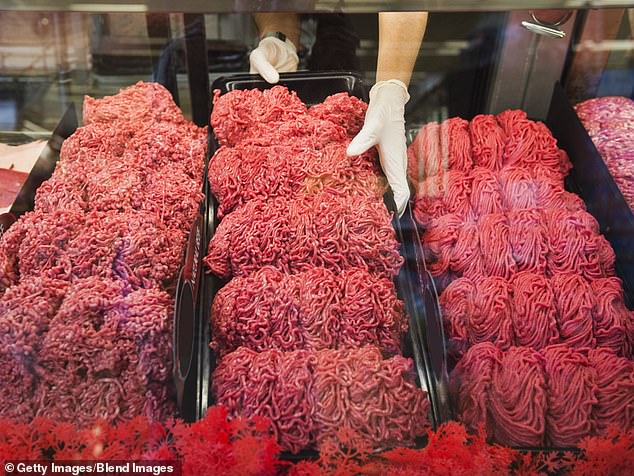
The first animal to be cloned was a sheep called Dolly, who came into the world in 1996, without much public excitement due to concerns about the long-term implications of biotechnology.
The procedure involves obtaining a tissue sample from an animal classified as elite with desirable characteristics and establishing a cell culture in a laboratory.
Subsequently, using a somatic cell nuclear transfer process, a cloned embryo is formed and implanted into a host animal, which then gives birth to the 'clone.'
Kennedy and his group of health-focused advocates may not have officially responded to the U.S. use of cloned meat, but the 71-year-old has expressed an opinion on a comparable supermarket item: Cultivated meat, also known as lab-grown meat.
In 2022, prior to attaining the highest position in U.S. health rankings, he denounced the product as highly unhealthy and claimed the American public was being deceived into thinking it was beneficial.
In November 2022, he tweeted, 'The industry's plant-based meat is simply another term for highly processed food.' '[It] consists of genetically engineered and pesticide-infused components created to resemble meat as closely as possible.'
He asserted that specialists were "employing tactics to present it as a nutritious substitute for real meat," without thoroughly examining the situation.
RFK Jr. has been a vocal advocate for natural foods and has consistently spoken against processed foods, particularly ultra-processed items and genetically modified organisms (GMOs).
Since assuming power, the disputed appointment hashas been on a mission to Make America Healthy Again, including declaring war on food dyes and artificial sugar, which he referred to as 'poison.'
The Daily Mail has contacted RFK Jr., HHS, and the FDA for their response.
Read more- Is Robert F. Kennedy Jr.'s preference for 'meat and fermented vegetables' potentially harming his well-being, as per dietary specialists?
- Is there a major change happening in food safety openness as RFK Jr. fights to eliminate hidden poisons from our meals?
- Could Robert F. Kennedy Jr.'s support for raw milk lead to a countrywide health transformation or a public safety emergency?
- Can Robert F. Kennedy Jr. address the FDA's 'mass poisoning' and reform America's unexpectedly lower food safety standards in comparison to Europe?
- Could RFK Jr.'s bold "Make America Healthy Again" initiative question established FDA standards?