
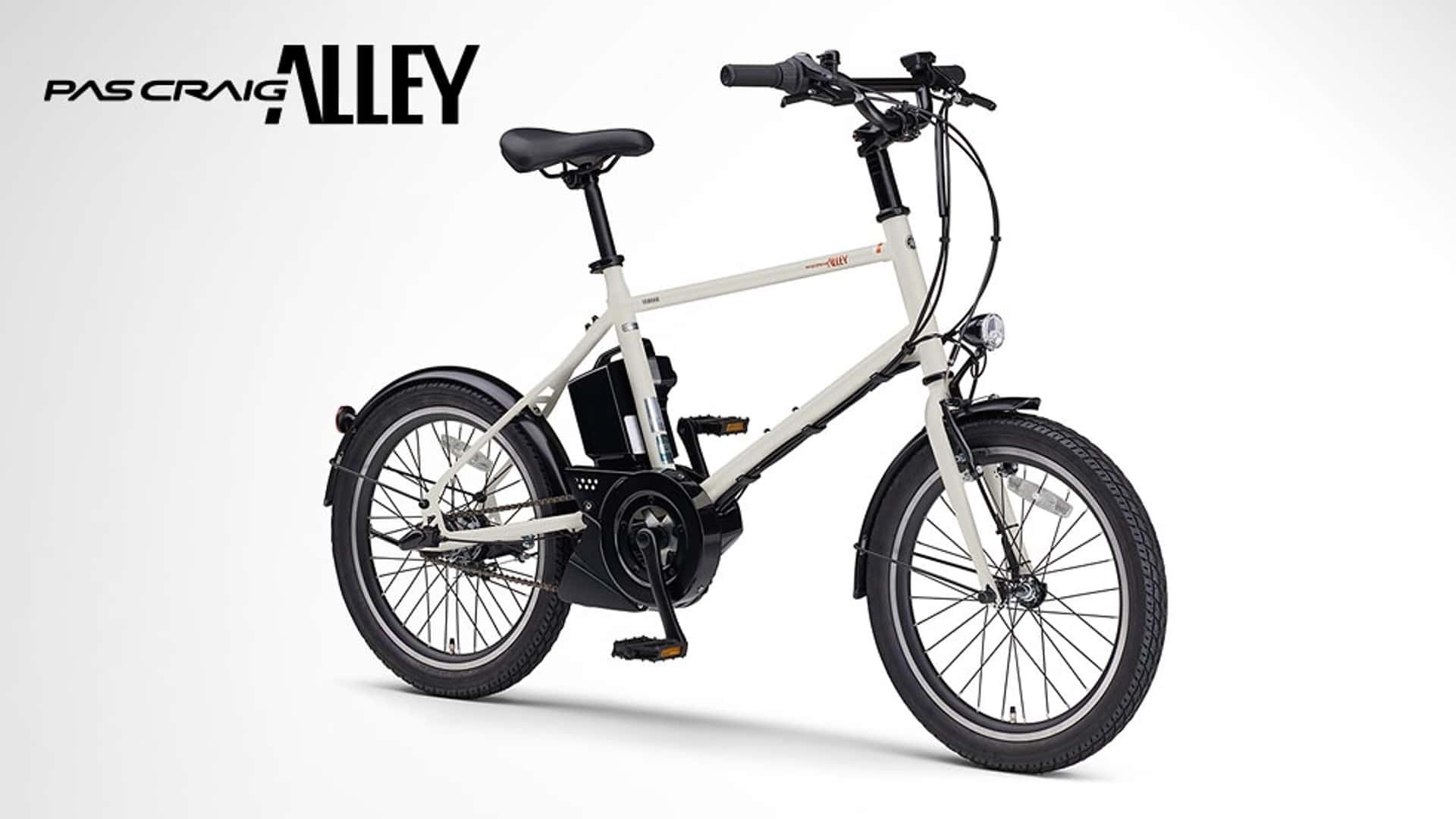
Electric bike commutes are very logical in the city, everyone, and this one seems especially ideal for the job. You could probably say that about the entire Pas line, though.
If you haven't tried it before, cycling in a large city is definitely a unique experience. Specifically, pedaling bicycles are intriguing since you are the power source, yet you must also navigate alongside cars, trucks, motorcycles, and all other elements that make up a city's typical traffic.
You can also travel faster than when walking, yet you are on the street alongside other vehicles that might or might not notice you. Occasionally, there are designated bike lanes, and at other times, there aren't. Moreover, sometimes drivers and other road users respect these bike lanes, while at other times they do not. There are numerous factors to take into account, all of which will influence your experience while riding your preferred bicycle to your destination.
E-bikes introduce another factor into the equation. They find a middle ground between a traditional bicycle and a quicker motorbike, offering a slight additional push to your cycling experience with the inclusion of batteries and a motor. Pedal-assist e-bikes enhance comfort and ease, making it more enjoyable to reach your destination without excessive perspiration, and can be especially beneficial for those who are disabled or recovering from an injury.
In recent years, the growing popularity of e-bikes across the globe has been fascinating to observe. In the United States, I encounter them almost daily. Although they weren't available when I used to rely on bicycles for my daily travel (both before and after obtaining my motorcycle license, just so you know), I have no doubt that I would have found them beneficial if they had existed back then. Even today, Chicago boasts Lyft's Divvy bike stations throughout the city, offering convenient rentals to help make your final leg of the commute a bit more manageable.
But that's not the same as owning one. And I have to say, as someone who has ridden several e-bikes, the Yamaha Pas Craig Alley seems like a bike that would perfectly suit city commuters. Honestly, the entire Yamaha Pas range probably would; not everyone's commute is the same, and they might find different features more beneficial depending on their chosen bike. That's why there are multiple Pas models; for instance, there's even a Pas trike, which could be ideal for certain riders.
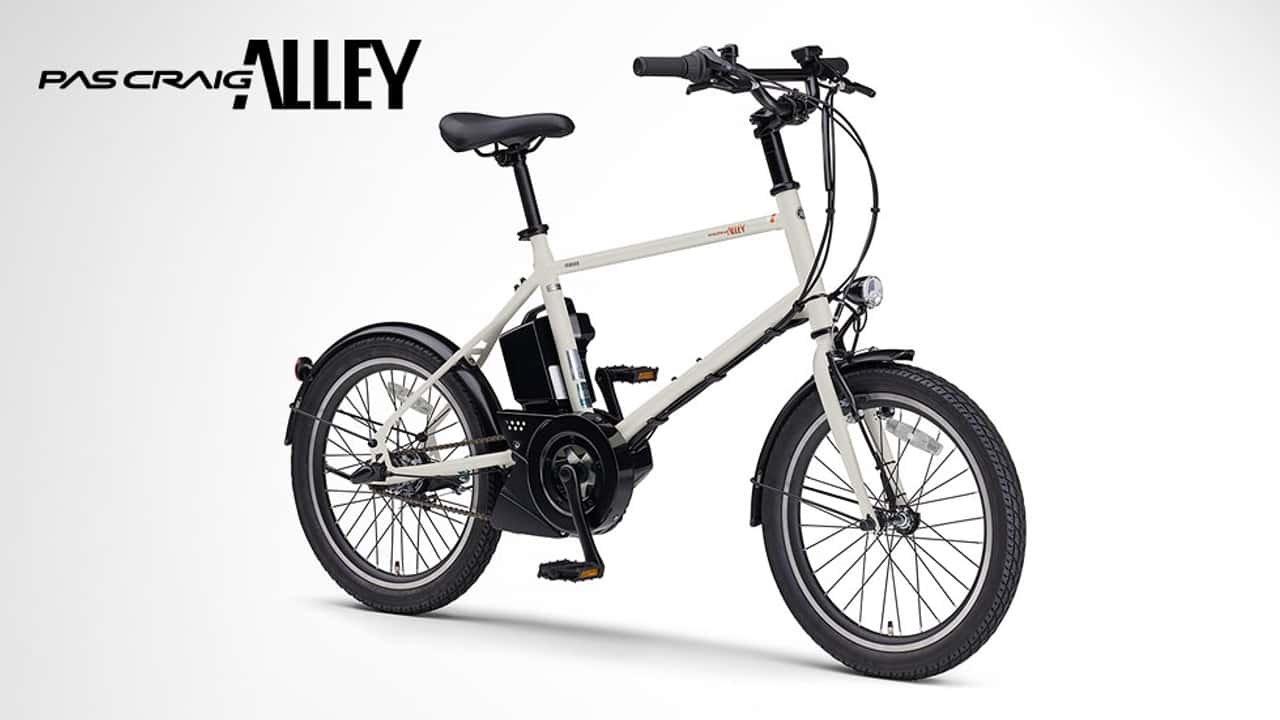
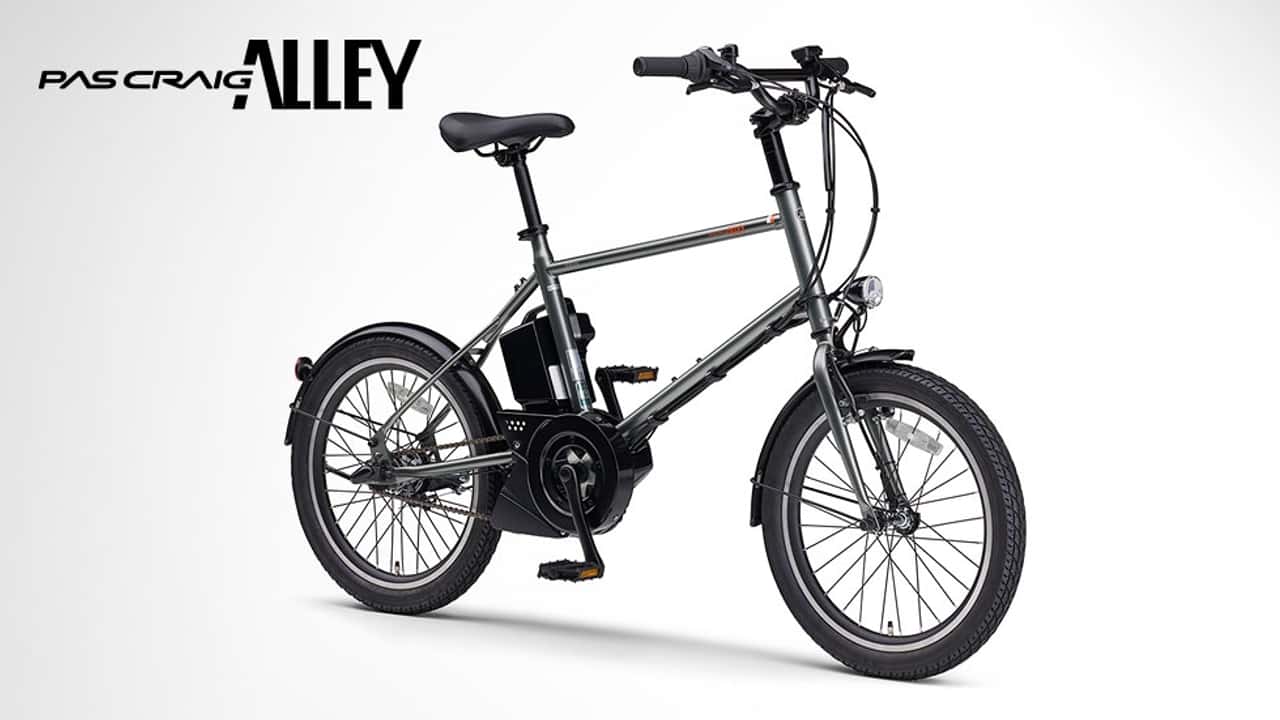
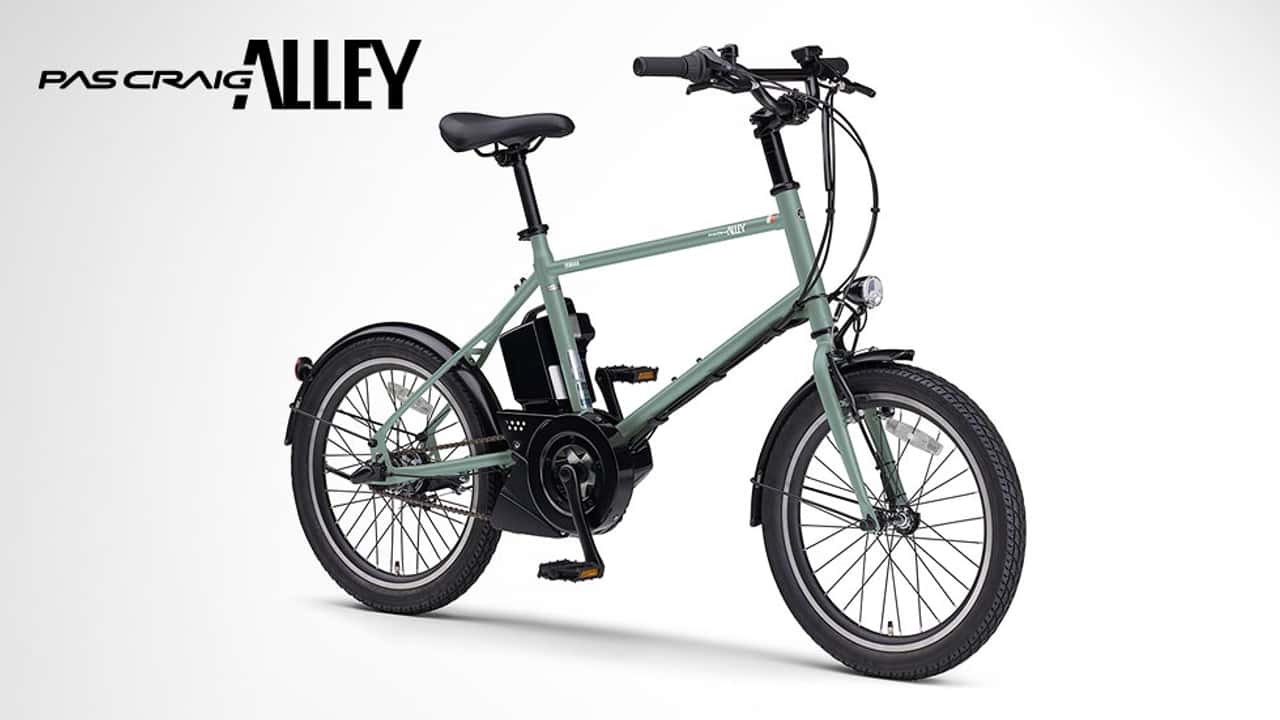
I mean, check this out. It features a straightforward, elegant design, offered in three appealing colors to match your straightforward, elegant lifestyle. The entire Pas series uses the same batteries, which are simple to remove and even include a convenient carrying handle on top, allowing you to bring them inside and connect them to the charger.
A 15.8Ah spare battery will set you back 49,940 yen, approximately $323 at the time of writing. A spare charger will cost 11,880 yen, roughly $77; there's no need to worry about buying one along with a new bike, as each new bike includes a charger in the price. To be honest, these prices are fairly standard for high-quality e-bike replacements and battery chargers; they might even be slightly more affordable, if I'm being honest.
Even the cost of the Yamaha Pas Craig Alley appears to be quite fair. This latest model in the Yamaha Pas series is set to launch in Japan on March 27, 2026, with an MSRP of 138,000 yen (approximately US $893 as of this writing). This amount incorporates Japan's 10% consumption tax, meaning that if Yamaha decides to sell these in other regions, the prices will probably account for any applicable local taxes.
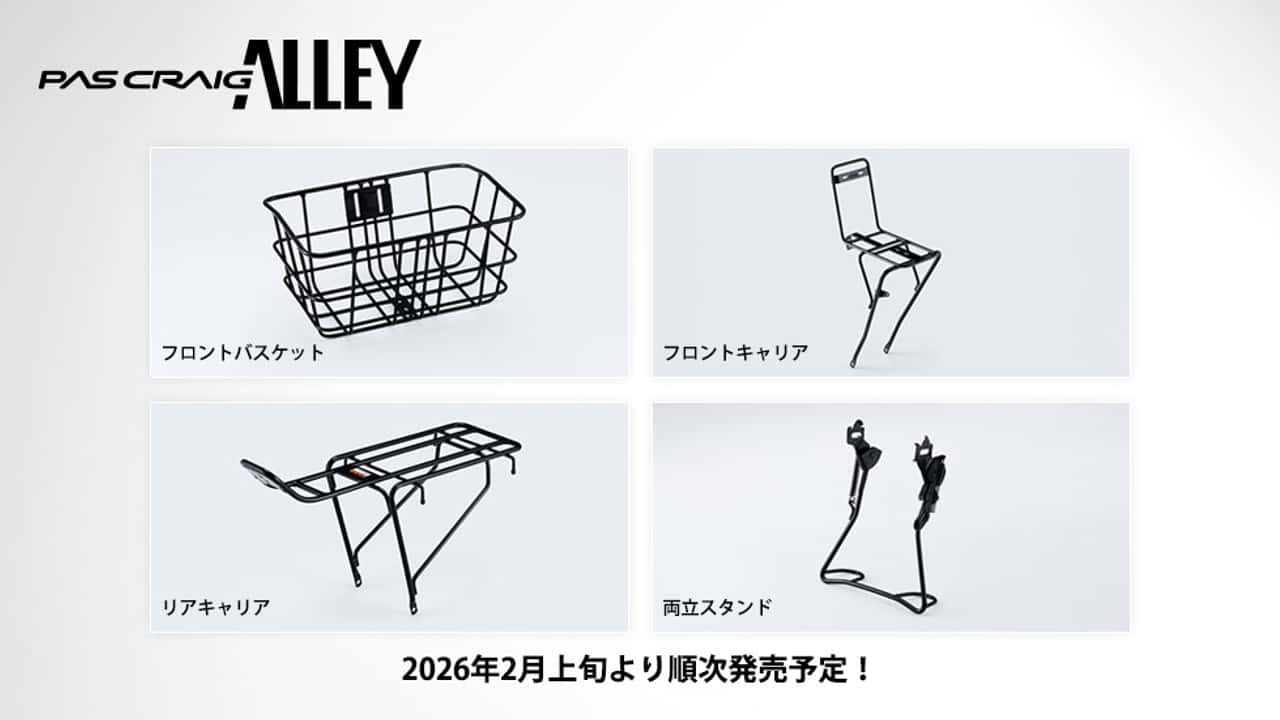
Just like any quality bicycle, it naturally offers the possibility of adding a range of original equipment manufacturer accessories. Racks, baskets, gel saddle covers, and other items are available through the Yamaha Y's Gear official store. It saddens me somewhat that Yamaha left the US e-bike market a few years ago, but it's reassuring to know that someone else will be able to use it.
Are you a fan of Yamaha electric bikes? Do you own one or more and use them for daily commuting, or do you have other experiences with Yamaha e-bikes you'd like to share? Let me know in the comments section if they are as well-constructed as I expect from all other Yamaha products I've used.