
I assumed I was simply tired, but around mid-2024, I started feeling constantly drained. While walking with friends for a brief distance, I realized I was the only one breathing heavily, and I was the youngest in the group.
Shior!
Fatigue had turned into my constant companion, unlike the usual tiredness a busy doctor, mother, and woman in Nigeria would typically experience. This was something else entirely. I went to sleep feeling exhausted and woke up just as tired. Each morning, I struggled to get out of bed, silently praying for strength before going to work. When I came home, I would fall onto the couch, too drained to move a single finger. I blamed it on stress, the pressures of work, the unending demands of modern life, and aging. All of this fit with my overly ambitious, Type A personality. I was completely burned out! That was the truth.
I increased my physical activity. I made a conscious effort to maintain a strict seven-hour sleep schedule. I improved my eating habits, incorporating more fruits and smoothies, more vegetables, and more water. I had my haemoglobin levels tested. They were normal. I also checked my thyroid function. It was also normal. I went on a vacation, but when my symptoms remained, I began to feel discouraged.
At a certain moment, within the solitude of my mind, I questioned: Could this be Shebi, not the tiredness caused by depression? Or was it something different? I started to hold my children responsible. They were the ones causing me to speak excessively, sapping my energy!

Certainly, it had to be them.
It can be perilous when a physician starts questioning her own physical and mental state.
In December of the previous year, I began to notice a new symptom. The final two digits of my right toe would unexpectedly become numb and remain in a specific position. This condition lasted for several minutes before resolving itself.
The response had finally arrived. I contacted my friend in chemical pathology and underwent tests: serum calcium levels and another procedure.
Low levels of calcium. Extremely low levels of Vitamin D.
The outcome was disheartening. I fell short. Not just slightly lacking. Truly inadequate.
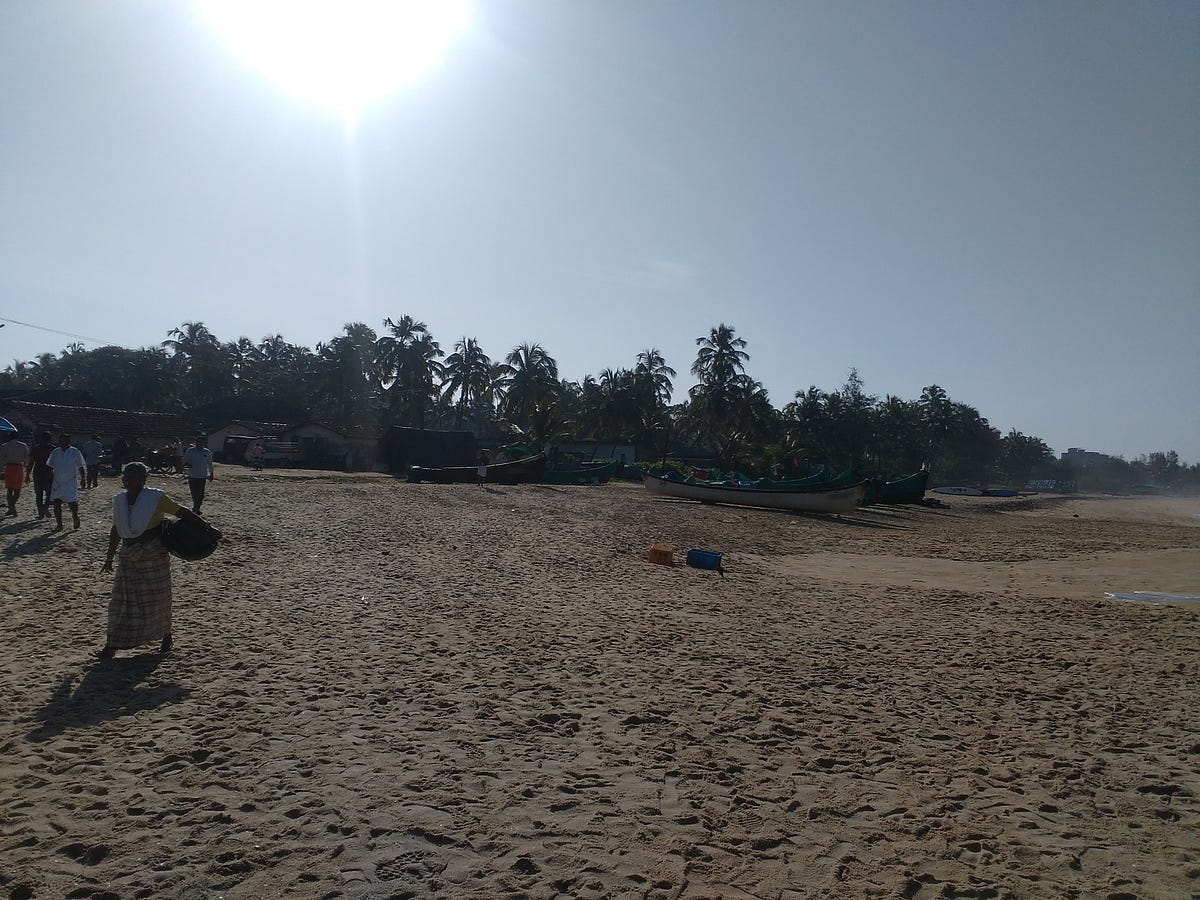
Nigeria enjoys sunlight throughout most of the year. We are located in the tropics. The sun is not in short supply. It is plentiful, generous, and unyielding. In fact, over the past two years, we haven't experienced a proper Harmattan season. Only heat, heat, and more heat!
And still, I found myself residing beneath one of the most radiant skies in the world, lacking the very vitamin that sunlight supplies.
This is how scientists currently refer to the tropical paradox. Nigerians call it 'Village people'.
Equatorial areas experience constant exposure to ultraviolet B (UVB) rays, which are essential for producing Vitamin D. However, a significant number of women in these regions still lack sufficient levels. Why?
Since the availability of sunlight differs from sunlight exposure.
Numerous individuals spend the majority of their time indoors, in places like offices, medical facilities, classrooms, and vehicles. Air conditioning is prevalent in all these environments, and even when we go outside, cultural and religious attire often restricts skin exposure for women. Research has indicated that women who wear garments that completely cover their bodies, such as hijabs or niqabs, are much more prone to suffer from Vitamin D deficiency. A comprehensive study revealed that women who wear fully covering clothing are 2.28 times more likely to experience this deficiency than those with greater skin exposure.
In addition to this, consider the biology of melanin. Skin that is darker has higher levels of melanin, which functions as a natural sunblock. Keep in mind the saying "Black don't crack." Nevertheless, although this offers protection from damaging UV rays and helps prevent aging, it also limits the skin's capacity to produce Vitamin D effectively.
In basic terms, the higher your melanin levels, the more time you need to spend in sunlight to generate the same quantity of Vitamin D as someone with fairer skin.
Here we are, sheltered, inside, with rich pigmentation and quietly lacking.
Tiredness, muscle soreness, joint pain, depressed mood, overall exhaustion.
These are all signs that we typically accept as part of being a woman. We refer to them as 'stress, hormones, perimenopause, and menopause.' We call it 'motherhood,' we call it 'life.' I was extremely angry and let down by myself. How could I have been so unaware? In certain studies conducted in Sudan, as many as 82.6 percent of women were discovered to be lacking in Vitamin D. Eight out of ten women. How many women around us are living life feeling drained, blaming themselves for something that is actually a biochemical deficiency?
Long-term lack of essential nutrients in women is linked to extreme tiredness, reduced muscle strength, higher chances of developing osteoporosis, and prolonged bone weakness. For older women, this deficiency plays a major role in causing fractures. For younger women, it subtly affects their overall well-being.
How many women take responsibility for biological issues?
Our society honors the perseverance of women. We silently bear our loads. We take pride in our strength. However, strength should not equate to overlooking signs of distress.
My test results provided comfort, not because the deficiency was enjoyable, but because it could be addressed.
Soon after starting the supplement, a change occurred. The confusion started to fade, and the weight lifted. I hadn't realized how sick I was until I began to feel better.
I genuinely feel a bounce in my walk!
Before the Ulama arrive, this is not about challenging traditional attire. It is about acknowledging biological realities and adjusting health approaches accordingly, including safe and respectful sun exposure where possible. Awareness of diet. Supplementation when necessary, regular testing for women at higher risk. We check for hypertension, diabetes, anemia, and thyroid issues. Yet Vitamin D, which is essential for bone health, immune system function, and emotional well-being, often goes unnoticed.
In tropical Africa, women often believe the sun shields them from deficiencies. However, sunlight is ineffective if it doesn't reach the skin.
If you consistently feel tired even after getting enough sleep, if you experience unexplained muscle pain, or if you wake up feeling completely drained despite having a full night's rest, don't ignore these signs.
Check your Vitamin D.
Not due to being popular or in vogue, but because it could subtly be the missing element.
Provided by zaianews.com).